Justice in a Small Town
1994
No user ratings available yet
Representation score: 4.6 out of 10
Representation Score
Fair
1985
PG-13Director
Roger Donaldson
Runtime
112 minutes
Average Rating
No ratings yetNew Showbiz Analysis
Marie: A True Story serves as a historical examination of systemic issues and the tension between individual freedom and rigid societal structures. It challenges the 'Great Man' theory of history by highlighting the systemic pressures that undermine autonomy. The film's strength lies in its critique of institutional decay. By presenting the fall of the Bourbon monarchy as a result of socioeconomic disparity, it offers a study of the breakdown of established order. However, the film lacks modern diverse casting. It remains tied to the demographic uniformity of the 18th-century French aristocracy, limiting its range of representation.
Category Breakdown
The film follows the social norms of 18th-century France and does not depict any non-straight or non-cisgender identities or intimate relationships between people of the same sex.
The story emphasizes the protagonist's personal journey within a patriarchal society. The Queen is portrayed as a complex character rather than just a symbol. The film passes the Bechdel test through meaningful conversations between the Queen and her attendants.
The cast is primarily made up of actors representing the homogeneous French aristocracy of the time. The film does not use color-blind casting or offer a multicultural perspective.
The film provides a sophisticated look at traditional Western institutions such as the monarchy and the Catholic Church. It highlights the stark economic divide between the Versailles elite and the peasants.
There is no significant focus on visible or invisible disabilities. Characters are defined by their social status and political roles rather than by their neurodiversity or physical health conditions.
Present on Screen
Limited or Absent
Official Synopsis
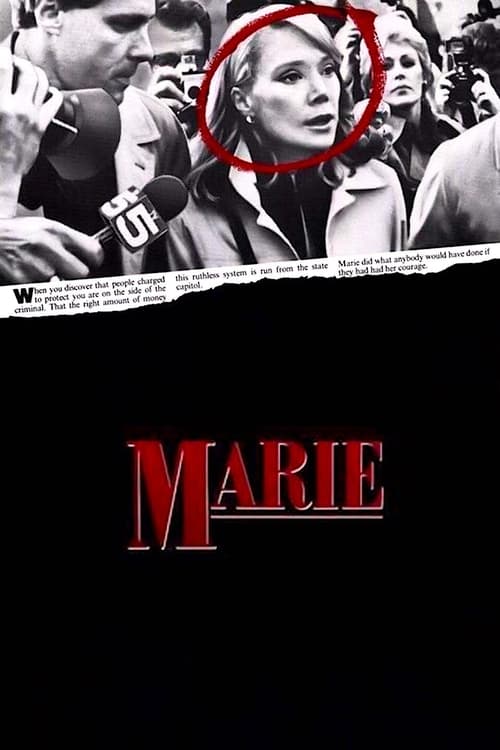
In 1978 Tennessee, a single mother and political appointee risks her career and her life to blow the whistle on rampant corruption in the penal system.
1994
1975
2008
1980
1982

1989

2004
1970
No reviews yet. Be the first to share your thoughts on this movie!
Use the rating form above to leave a star rating and optional review.