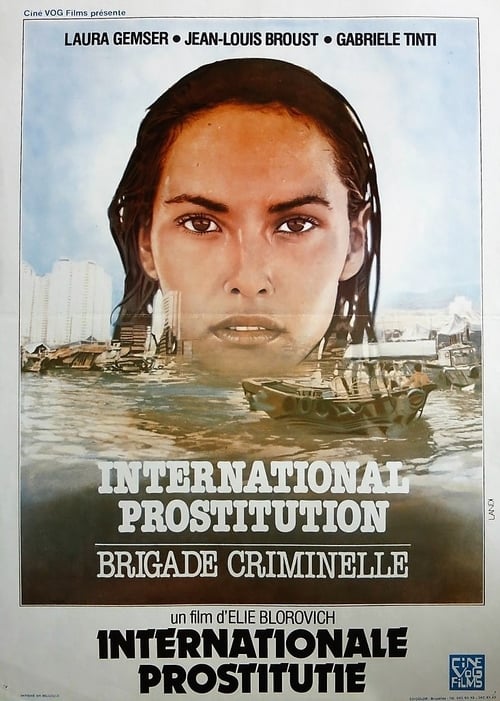
International Prostitution : Brigade criminelle
1980
No user ratings available yet
Representation score: 3.6 out of 10
Representation Score
Good
1980
Director
Yves Boisset
Runtime
103 minutes
Average Rating
No ratings yetNew Showbiz Analysis
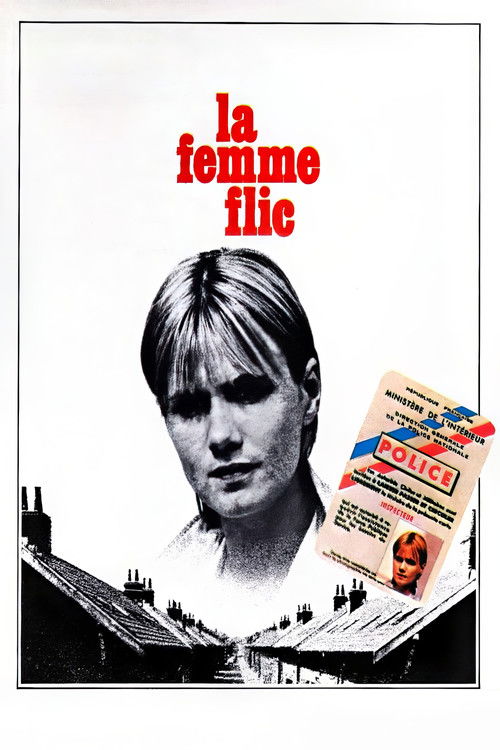
La Femme flic stands out for its progressive approach to gender, placing a woman in a position of intellectual and professional leadership within a traditionally male-dominated field. This subversion of authority is the film's strongest diversity asset. However, the film remains constrained by the era's cinematic norms, showing little to no racial or LGBTQ+ diversity. The focus is heavily centered on class-based power structures and institutional corruption rather than multi-layered identities. Ultimately, the film is a critique of systemic corruption that succeeds in challenging gender hierarchies but fails to offer a diverse social landscape.
Category Breakdown
The film does not explicitly depict LGBTQ+ identities or non-cisgender expressions. Elements such as a prostitution ring serve to critique corruption rather than represent queer experiences.
Corinne Levasseur challenges 1980s crime thriller clichés by taking an investigative lead. She shows greater intellectual prowess and determination compared to her male colleagues.
The setting and cast reflect a relatively uniform social environment. There is no indication of significant racial diversity or intentional casting to challenge demographic norms.
The story critiques Western institutions, portraying the police and judiciary as corrupt entities. It highlights how financial and high-society interests shape systemic power structures.
There are no characters with visible or invisible disabilities that drive the narrative. Depictions of victimhood act as plot catalysts rather than nuanced portrayals of disability.
Present on Screen
Limited or Absent
Official Synopsis
Young police inspector Corinne Levasseur interrogated a dealer without the judge's consent. Following an indiscretion of her lover, the substitute Berthot, Corinne is transferred to a small town in the North who lives under the thumb of a rich industrialist and his family. He is given subaltern tasks. Intrigued by the strange death of a teenager, she stubbornly leads an investigation that allows her to trace the chain of a child prostitution network in which are mixed a notable and his son-in-law. A young investigating judge decides to investigate the case, but he is the victim of pressure ...
1980
1979
1988

1999

1973
2009
2011
1977
No reviews yet. Be the first to share your thoughts on this movie!
Use the rating form above to leave a star rating and optional review.