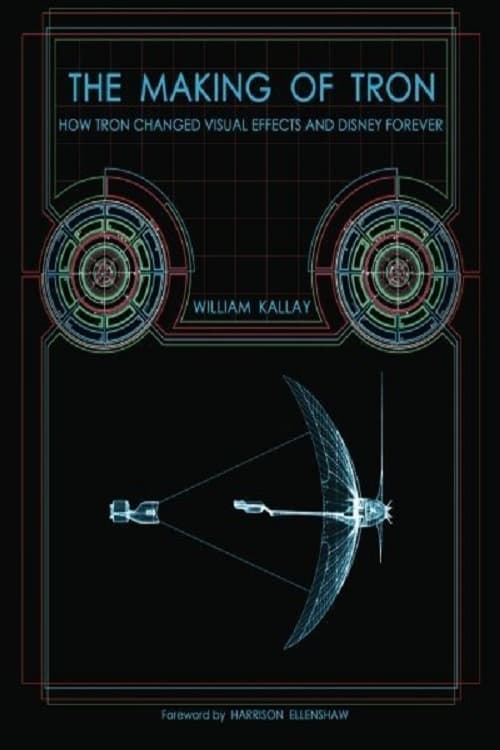
The Making of TRON
2002
No user ratings available yet
Diversity score: 3.2 out of 10

1990
Director
Max Whitby
Runtime
49 minutes
Average Rating
No ratings yetSynopsis
This made-for-TV documentary introduces the layperson to concepts and technologies that were emerging in computer interface design in the late 1980s and early 1990s: hypertext, multimedia, virtual assistants, interactive video, 3D animation, and virtual reality.
Overall Score
Limited
Category Breakdown
LGBTQ+ Representation
The documentary focuses strictly on the evolution of multimedia technology. There are no LGBTQ+ characters or narratives exploring non-cisnormative identities present in the film.
Gender Representation
The film centers on technical concepts rather than character arcs. It reflects a traditional technological landscape without explicit evidence of female agency or the subversion of gendered roles.
Racial & Ethnic Diversity
The narrative prioritizes the mechanics of hypertext and virtual assistants. There is no indication of a diverse cast or the inclusion of non-white perspectives.
Religious & Cultural Diversity
The content aligns with an era of modernization and digital frontiers. It presents technology as a neutral tool rather than engaging with themes of cultural deconstruction.
Disability Representation
While exploring technologies like virtual reality, the film lacks specific evidence regarding the portrayal of individuals with visible or invisible disabilities.
Strengths
Areas for Improvement
AI Analysis
Hyperland functions as a technical primer on the emerging digital interfaces of the early 1990s. Its primary objective is educational dissemination regarding hypertext, 3D animation, and virtual reality rather than social commentary. Because the documentary focuses on the mechanics of computer science, it lacks the character-driven architecture necessary for diverse representation. The film operates within a neutral, industry-standard framework that does not intentionally disrupt social or cultural hierarchies. Ultimately, the work is a period piece of technological history. It lacks the intersectional depth or intentionality required to address identity, making it a specialized educational tool rather than a vehicle for progressive discourse.
2002
1996

2002
2017
2016
2004
2020
2005

2011
2007
1999
2011
No reviews yet. Be the first to share your thoughts on this movie!
Use the rating form above to leave a star rating and optional review.