
The Way Steve Jobs Changed the World
2011
No user ratings available yet
Representation score: 0.5 out of 10
Representation Score
Minimal
2011
NRDirector
Colleen Halpin
Runtime
42 minutes
Average Rating
No ratings yetNew Showbiz Analysis
The documentary functions as a celebratory biographical study of Steve Jobs, prioritizing the cliché of the individual visionary. By focusing on the intersection of personal genius and technological evolution, the film centers on capitalist achievement and industrial progress. Because the narrative is built around the history of Apple and the Silicon Valley era, it naturally reflects the homogeneous demographics of that period. The film reinforces conventional hierarchies of leadership and meritocracy rather than exploring diverse social perspectives. Ultimately, the work serves as a tribute to technological advancement. It lacks the breadth to address diverse identities, focusing instead on the transformative power of a singular, traditionally masculine figure.
Category Breakdown
The film focuses exclusively on the professional and technological legacy of Steve Jobs. It does not include any narrative focus on LGBTQ+ identities or critiques of heteronormativity.
The narrative centers on a singular male figure and the male-dominated history of early computing. Leadership roles discussed are traditionally masculine, offering little challenge to gender hierarchies.
The documentary explores the Silicon Valley era, which emphasizes a predominantly white demographic of innovators. It does not prioritize perspectives from diverse racial backgrounds.
The film reinforces Western values of meritocracy and individualism. It portrays technological progress as a positive force within the existing global capitalist order.
There is no mention of characters or subjects addressing physical or neurodivergent disabilities within the biographical narrative.
Present on Screen
Limited or Absent
Official Synopsis
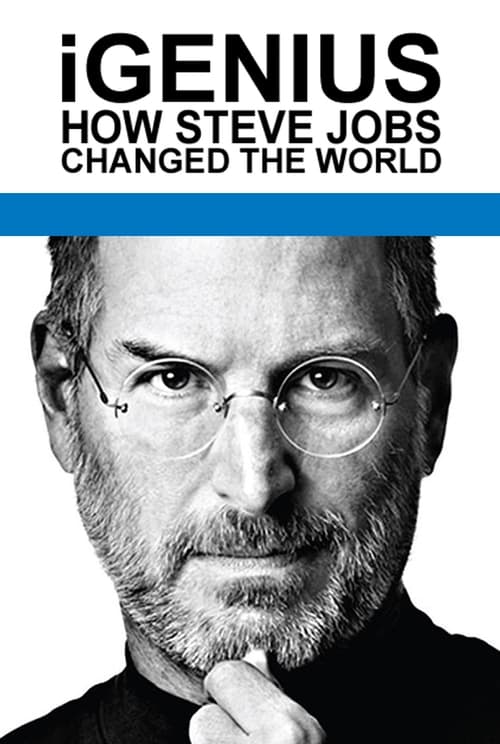
Steve Jobs was a creative and technological visionary who quite simply changed society as we know it. As co-founder and CEO of Apple Computer, Jobs ushered in personal computing to the masses, which in turn led to new innovations which completely changed our way of life - from how we do our work, to the way we watch movies, listen to music and interact socially. Discovery Channel will feature iGENIUS: HOW STEVE JOBS CHANGED THE WORLD, a one-hour documentary that celebrates these innovations.
2011

2013
2012
2015

2011

2018
2011

2016
No reviews yet. Be the first to share your thoughts on this movie!
Use the rating form above to leave a star rating and optional review.