
High Score
2006
No user ratings available yet
Representation score: 3.2 out of 10
Representation Score
Limited
2007
RDirector
Lincoln Ruchti
Runtime
90 minutes
Average Rating
No ratings yetNew Showbiz Analysis
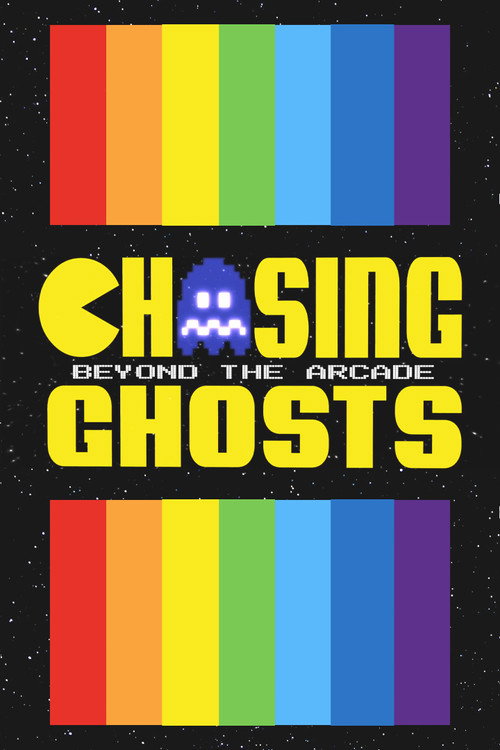
Chasing Ghosts: Beyond the Arcade serves as a specialized historical document of the 1982 arcade gaming subculture. It prioritizes nostalgia and the personal philosophies of competitors over challenging social norms. The film reflects the demographic homogeneity of its era. The narrative structure adheres to the traditional social hierarchies of the early 1980s, focusing on a niche group of champions. Because the documentary aims to preserve a specific moment in Western pop culture, it lacks intentional storytelling that reflects multiple aspects of identity or narrative subversion.
Category Breakdown
The film focuses on the competitive gaming landscape of 1982. It does not include any explicit LGBTQ+ character arcs or stories that question the assumption that everyone is straight or cisgender.
The narrative centers on video game world champions, a demographic historically dominated by men. Women appear as groupies but play minor roles without significant influence on the story.
The documentary examines a specific moment in Western pop culture. It lacks diverse ethnic representation among the interviewed champions.
The film functions as a retrospective on 1980s Western consumerism and hobbyist culture. It celebrates a specific niche lifestyle rather than engaging in cultural deconstruction.
There is no documented evidence regarding the portrayal of neurodivergence, physical disabilities, or mental health conditions within the subject matter.
Present on Screen
Limited or Absent
Official Synopsis
1982's Video Game World Champions share their philosophies on joysticks, groupies and life.
2006
2014

2012
2014
2013
2007

2008

2013
No reviews yet. Be the first to share your thoughts on this movie!
Use the rating form above to leave a star rating and optional review.