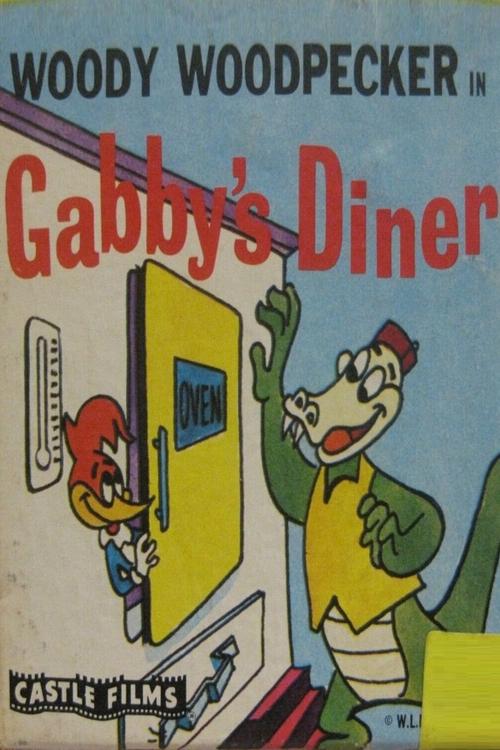
Gabby's Diner
1961
No user ratings available yet
Representation score: 0.4 out of 10

Representation Score
Minimal
1962
ApprovedDirector
Jack Hannah
Runtime
6 minutes
Average Rating
No ratings yetNew Showbiz Analysis
Rock-a-Bye Gator is a mid-century animated short that prioritizes slapstick humor and biological archetypes over social complexity. The narrative is driven by the predatory instincts of Gabby Gator within a localized swamp setting, adhering to the established genre clichés of the early 1960s. Since the film lacks characters who represent underrepresented communities and do not have significant roles in driving the story, it does not challenge existing social hierarchies. The focus remains on escapism and the natural order of predation and hibernation rather than any form of systemic subversion or identity-based storytelling.
Category Breakdown
The film does not depict any LGBTQ+ identities. The story revolves around a predatory relationship between Gabby Gator and Woody.
The story centers on a maternal alligator figure, reinforcing traditional gender roles. It does not explore any non-traditional gender roles or challenge gender hierarchies.
As an anthropomorphic animal fable, the film lacks racial or ethnic diversity. The cast is homogeneous within its species-based framework.
The narrative is apolitical and operates within a traditional framework. It focuses on natural instincts rather than engaging with social or systemic power dynamics.
There are no visible or invisible disabilities portrayed. Characters function as standard comedic archetypes without engagement with neurodivergence or physical impairment.
Present on Screen
Limited or Absent
Official Synopsis
It's alligator hibernation season in the Everglades, but Gabby Gator is wide awake and eager to have Woody for dinner.
1961
1958

1959
1950

1960
1960
1961
1955
No reviews yet. Be the first to share your thoughts on this movie!
Use the rating form above to leave a star rating and optional review.