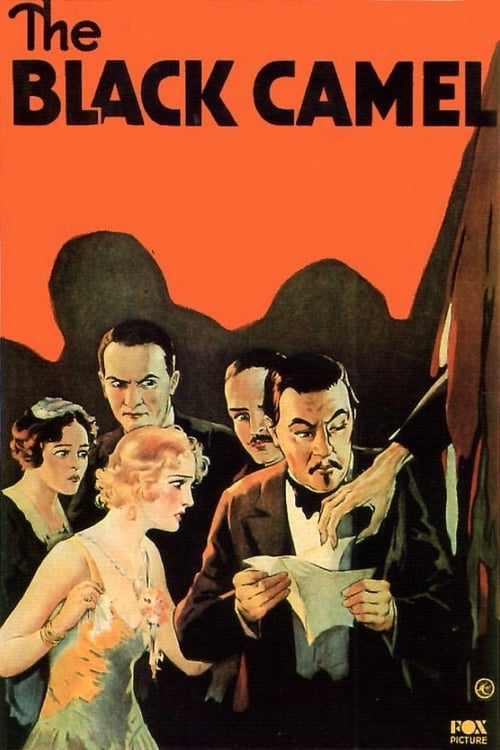
The Black Camel
1931
No user ratings available yet
Representation score: 1.5 out of 10
Representation Score
Limited
1934
NRDirector
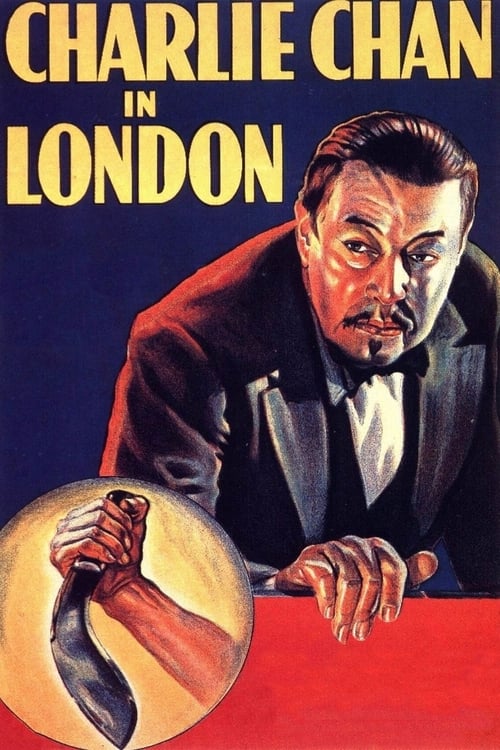
Eugene Forde
Runtime
79 minutes
Average Rating
No ratings yetNew Showbiz Analysis
Charlie Chan in London reflects the social and gender norms of the 1930s. The film uses traditional character types, such as the distressed socialite, to advance the mystery. However, it breaks from the usual homogeneous casting by centering a Chinese detective in a London setting. This provides a unique racial perspective in early crime cinema. Overall, while the film highlights racial diversity, it still upholds conventional Western and straight-centered structures.
Category Breakdown
The film follows the social norms of the 1930s and does not include any non-straight or non-cisgender identities. It assumes everyone is straight and cisgender.
Female characters like Pamela Gray mainly serve to move the plot forward. She starts the mystery but fits the stereotype of a distressed socialite rather than acting independently.
The film challenges the typical white-centric storyline by focusing on a Chinese detective named Charlie Chan. Warner Oland's role provides a significant racial presence that stands out for a film made in the 1930s.
The story emphasizes Western institutions and social order. It resolves conflicts using laws and logic without questioning traditional morals or capitalist systems.
The film does not show any characters with visible or invisible disabilities. All characters are shown within a standard physical and cognitive framework typical of the genre.
Present on Screen
Limited or Absent
Official Synopsis
Charlie Chan is sought out by Pamela Gray, a desperate young socialite whose brother Paul awaits execution for the murder of a weapons inventor. Pamela is convinced of his innocence.
1931
1948
1936
1940
1935
1949
1936
1944
No reviews yet. Be the first to share your thoughts on this movie!
Use the rating form above to leave a star rating and optional review.