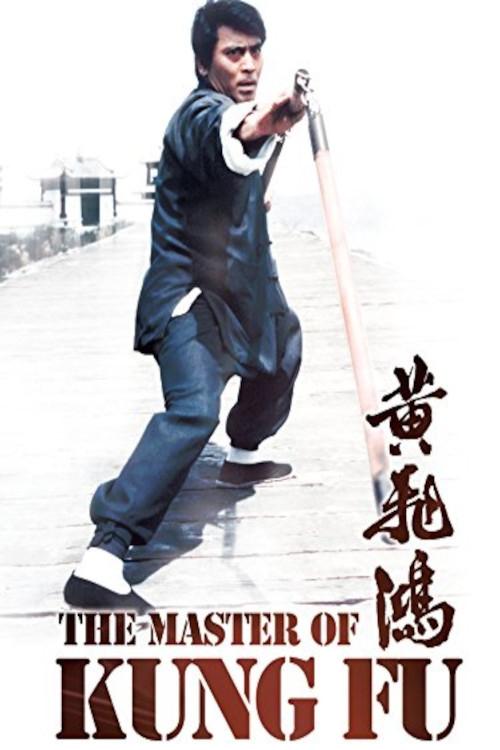
The Master of Kung Fu
1973
No user ratings available yet
Diversity score: 4.2 out of 10
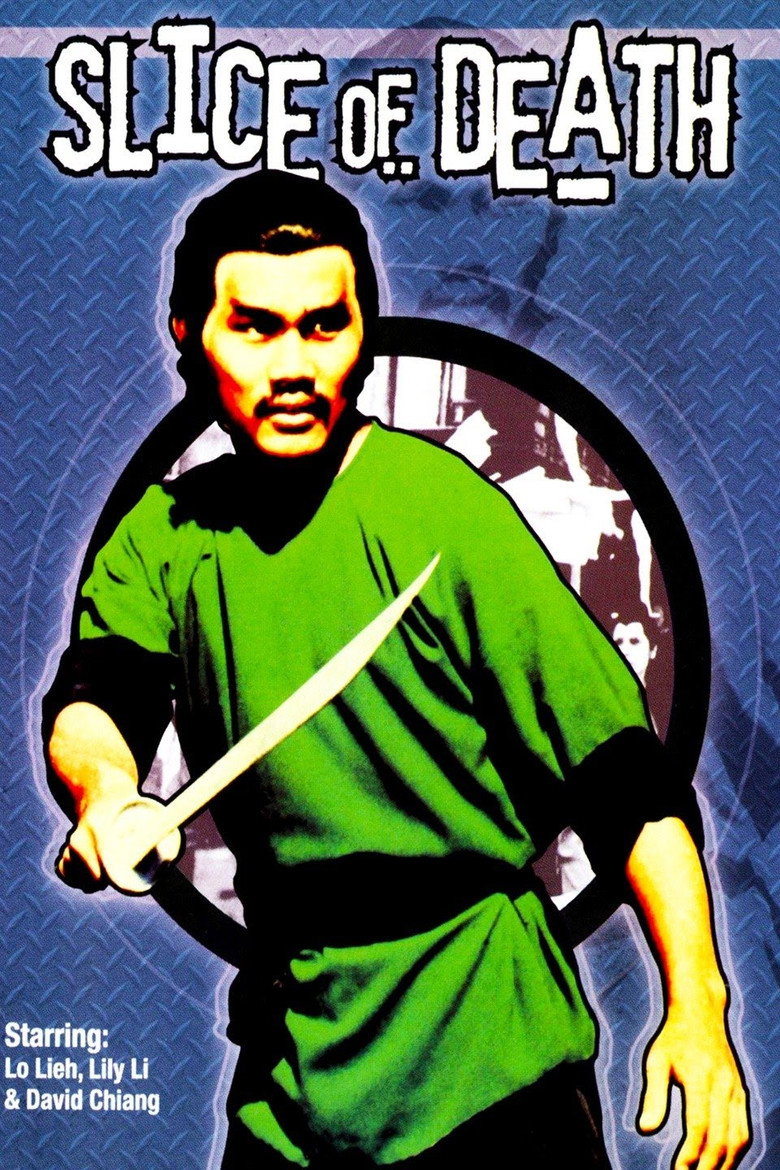
1979
Director
Ho Meng-Hua
Runtime
84 minutes
Average Rating
No ratings yetSynopsis
While international favorite David Chiang was best known for his roles as a grinning, streetwise, fighter in many Chang Cheh-directed classics, he rarely played a noble warrior monk. But here he portrays the great Chih Shim, the monk who saved the Southern Shaolin Temple. Making this production all the more notable is Lo Lieh, Shaws' first international star, who returns to a role he also made famous - that of Shaolin renegade Pai Mei. This, and even more, makes for a true martial arts epic of the first order.
Overall Score
Limited
Category Breakdown
LGBTQ+ Representation
The film operates within a strictly heteronormative framework. There are no depictions of same-sex intimacy or non-cisnormative identities.
Gender Representation
The narrative focuses almost exclusively on male protagonists and their martial mastery. Female characters occupy secondary roles without the agency to drive the plot.
Racial & Ethnic Diversity
The cast is predominantly ethnically Chinese, reflecting the cultural specificity of the Shaw Brothers studio. It maintains authenticity without Western-centric casting biases.
Religious & Cultural Diversity
The story is deeply rooted in Buddhist monasticism and traditional Chinese values. It emphasizes religious tradition and the sanctity of the temple through a moral binary.
Disability Representation
Characters are defined by physical prowess and martial capability. There is no discernible focus on visible or invisible disabilities or neurodivergence.
Strengths
Areas for Improvement
AI Analysis
Shaolin Abbot is a quintessential martial arts epic that prioritizes historical authenticity and traditional hierarchies. The film functions as a study of discipline and monastic duty, utilizing a male-dominated cast to explore themes of honor. While the production offers a culturally specific experience rooted in Chinese values, it does not seek to disrupt conventional social roles or identity politics. The narrative adheres to established Wuxia tropes rather than contemporary social deconstruction. Ultimately, the film reinforces traditional gender and religious structures, focusing on technical mastery and moral archetypes within a strictly defined genre framework.
1973
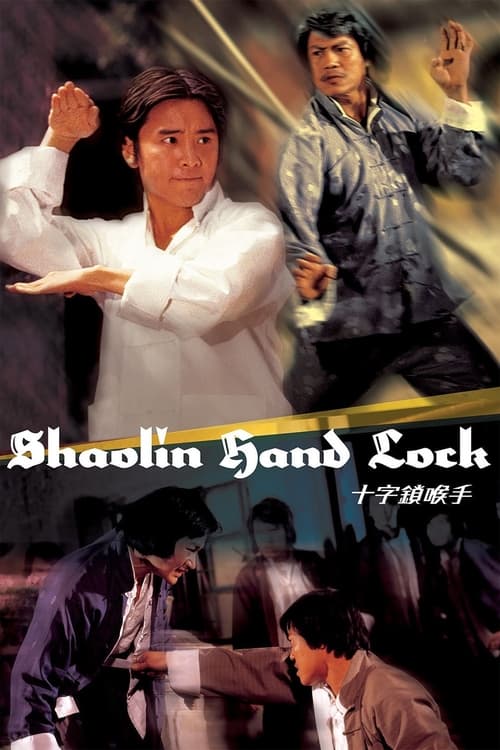
1978
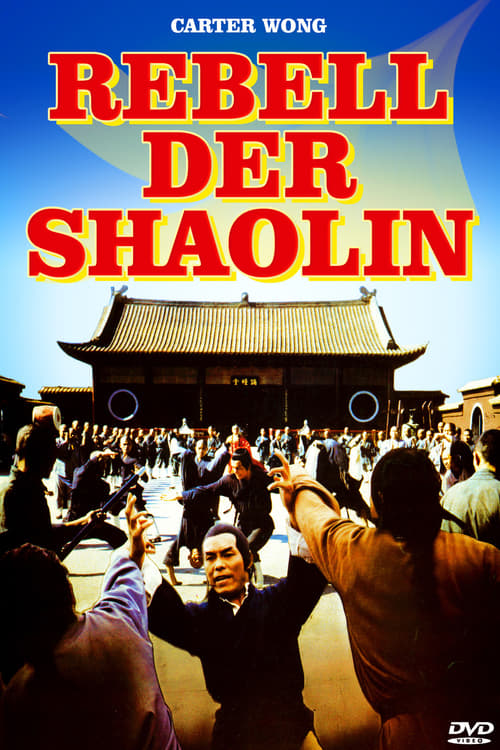
1977
1977
1978
1982
1975
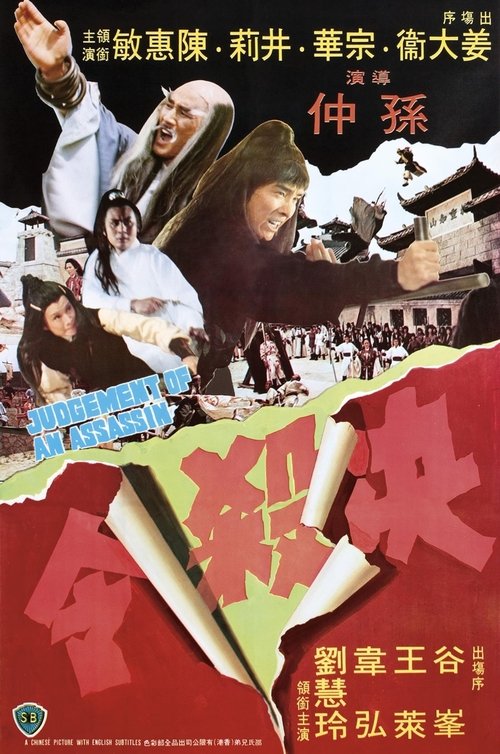
1977
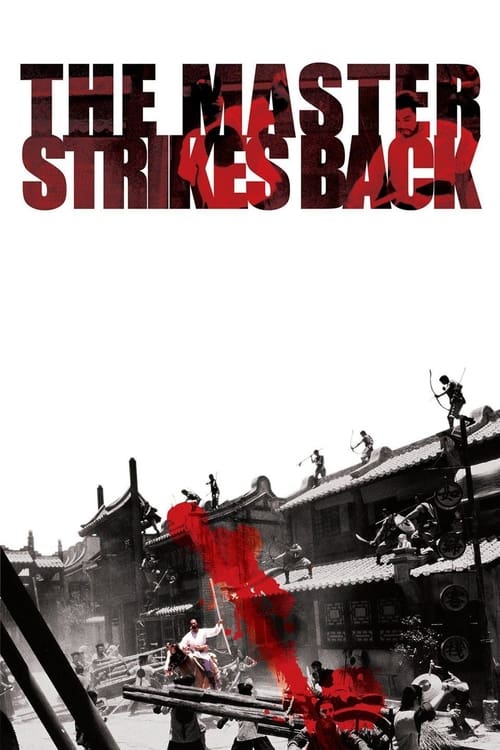
1985
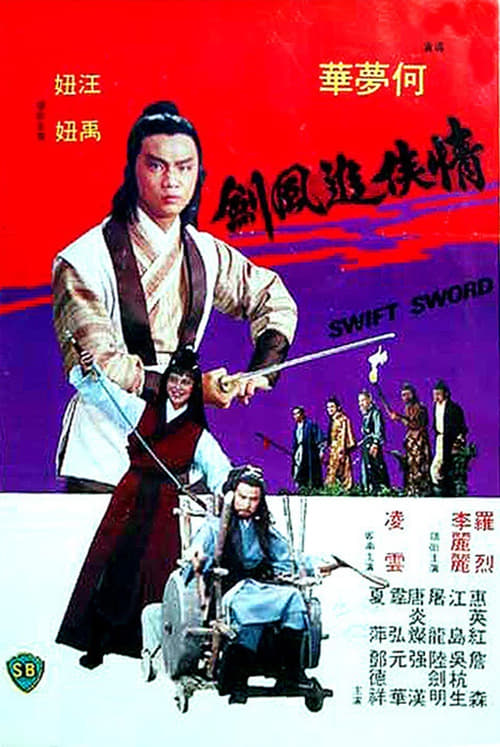
1980
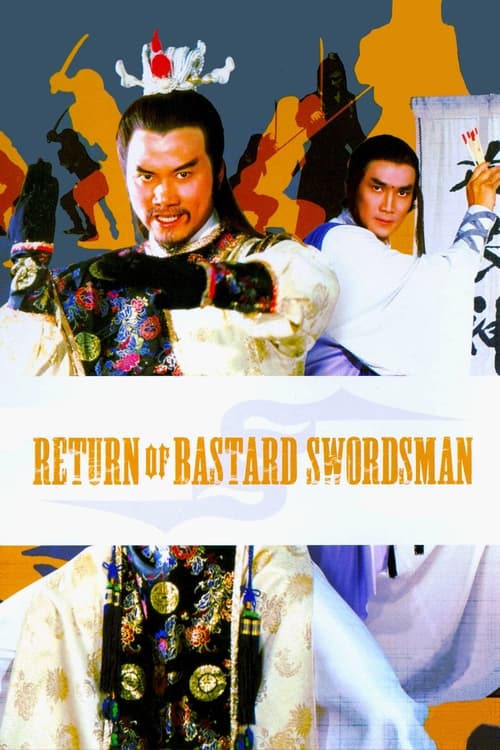
1984
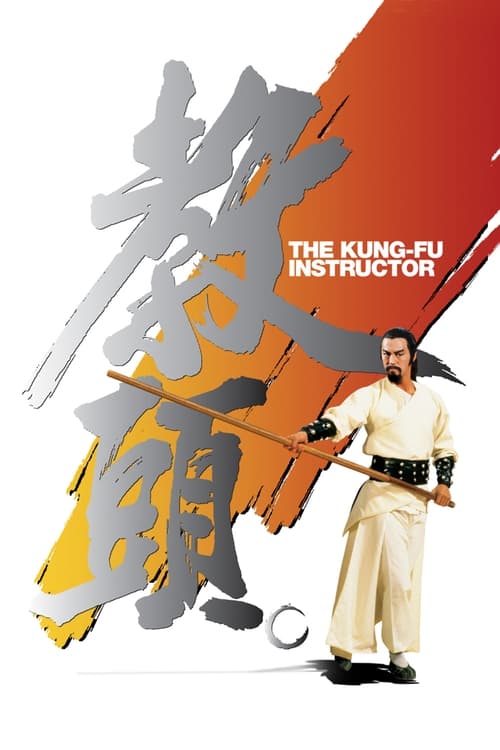
1979
No reviews yet. Be the first to share your thoughts on this movie!
Use the rating form above to leave a star rating and optional review.