
The Lady Assassin
1983
No user ratings available yet
Representation score: 4.6 out of 10
Representation Score
Minimal
1984
Director
Tony Lou Chun-Ku
Runtime
95 minutes
Average Rating
No ratings yetNew Showbiz Analysis
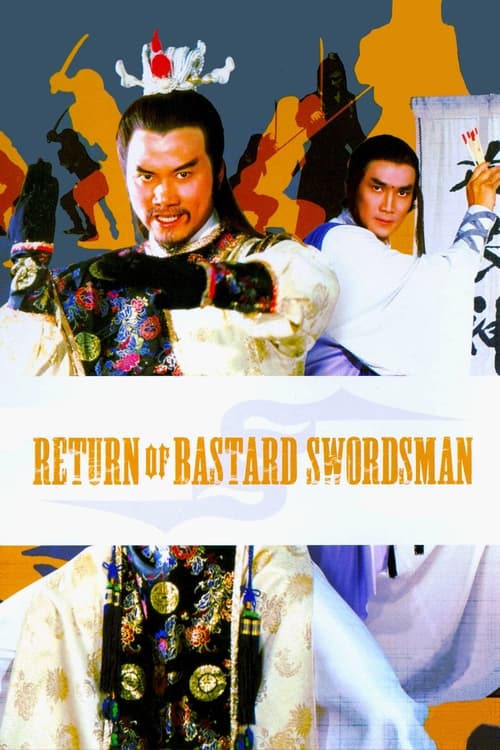
Return of Bastard Swordsman operates as a typical 1980s martial arts production. It centers on the defense of the Wudang temple against threats from Dugu Wu Di and Japanese martial artists. The film upholds traditional communal and hierarchical values without deconstructing them. While the inclusion of foreign antagonists provides a framework for ethnic tension, it functions as standard genre conflict. Ultimately, the work lacks the intentionality needed to challenge social or gender hierarchies, adhering instead to the established conventions of the Wuxia genre.
Category Breakdown
The film does not include any representation of LGBTQ+ identities or same-sex relationships. The story focuses solely on traditional martial arts conflicts.
The production seems to rely on conventional genre clichés and traditional martial arts hierarchies. There is no evidence of women challenging or subverting masculine leadership roles.
A group of Japanese martial artists introduces ethnic and nationalist tensions. This provides cross-cultural interaction through the lens of traditional martial arts conflict.
The story is centered around the Wudang temple and its established religious structures. It emphasizes the preservation of traditional institutions against external threats.
There are no characters with visible or invisible disabilities in the narrative. The focus remains on martial combatants.
Present on Screen
Limited or Absent
Official Synopsis
Wudang is in trouble again, with both Dugu Wu Di planning to attack the Wudang temple and an interloping group of martial artists from Japan waiting in the background.
1983
1967
1982
1976
1983
1982
1977
1976
No reviews yet. Be the first to share your thoughts on this movie!
Use the rating form above to leave a star rating and optional review.