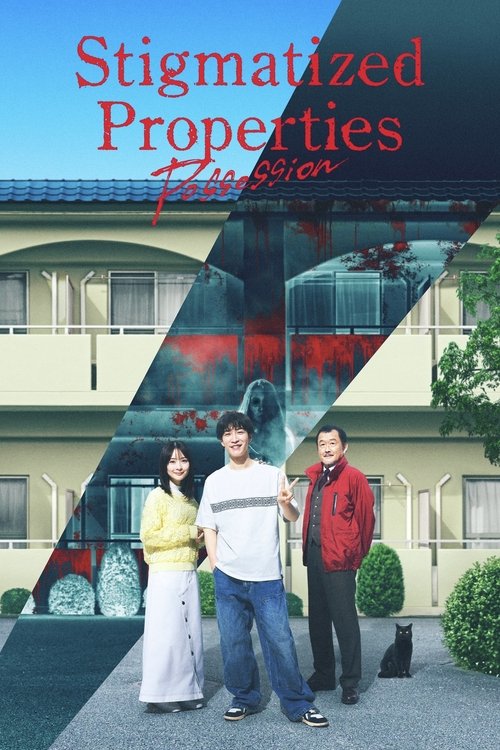
Stigmatized Properties: Possession
2025
No user ratings available yet
Representation score: 5.3 out of 10
Representation Score
Fair
2020
Director
Hideo Nakata
Runtime
111 minutes
Average Rating
No ratings yetNew Showbiz Analysis
Stigmatized Properties is a genre-driven horror film that prioritizes the commodification of trauma over demographic diversity. The narrative centers on a male entertainer leveraging a site of violence to revitalize his career, creating a critique of media ethics. While the film provides a sophisticated look at how modern society consumes tragedy as content, it remains rooted in traditional genre conventions. It does not actively engage in subverting demographic hierarchies or promoting characters who reflect more than one aspect of diversity. Ultimately, the film's focus is on the tension between the individual and systemic pressures within the entertainment industry, leaving little room for diverse social perspectives.
Category Breakdown
The film focuses on a male protagonist's career path and lacks any visible representation of non-straight identities or narratives that challenge the assumption that everyone is straight. It does not include any characters with diverse sexual orientations or gender identities.
The story emphasizes the male lead, Yamame, as he navigates professional hierarchies. Age and status-based power dynamics are highlighted, and the narrative does not challenge traditional gender roles.
Set within a specific Japanese urban context, the cast reflects a homogeneous social environment. The film does not attempt to diversify the traditional ethnic landscape of the genre.
The film offers a critique of modern Japanese capitalism and media consumption. It depicts the entertainment industry as a transactional space where tragedy becomes content.
Psychological distress and mysterious phenomena serve as supernatural plot devices. Characters with disabilities are not given meaningful ability to act in the story.
Present on Screen
Limited or Absent
Official Synopsis
Yamano Yamame, an entertainer who can't sell, is unreasonably told by his seniors that he should live in the accident property because he will put it on TV, and he moves to the property where the murder occurred due to his appearance on TV and the low rent. At first glance, the room was a normal room, but a mysterious white object was reflected in the image of the room, and the sound was disturbed. The program in which Yamame appeared became lively, and Yamame moved around the accident property in search of new material. Yamame, who encounters various mysterious phenomena in the room where he lives, makes a big break as an "entertainer who lives in the accident property".
2025

2000

2022
2013
2017

2022

2016
2011
No reviews yet. Be the first to share your thoughts on this movie!
Use the rating form above to leave a star rating and optional review.