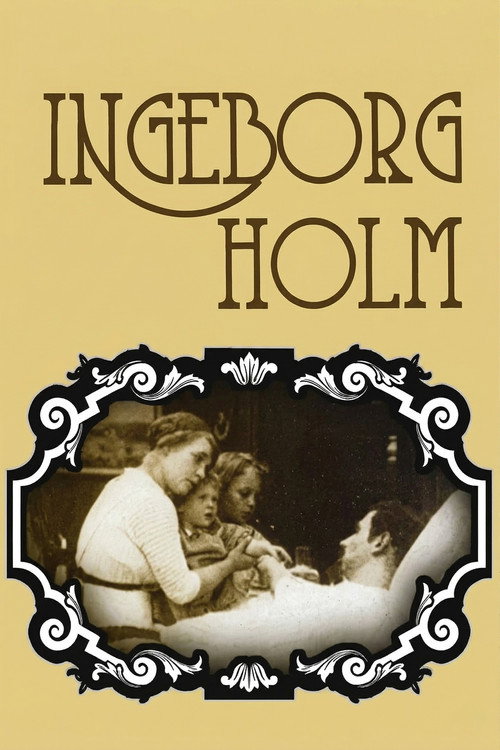
Ingeborg Holm
1913
No user ratings available yet
Representation score: 5.5 out of 10
Representation Score
Good
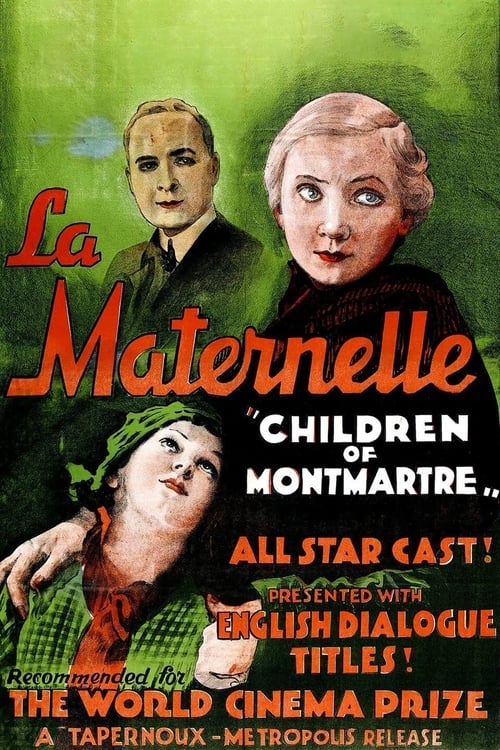
1933
Director
Jean Benoît-Lévy, Marie Epstein
Runtime
83 minutes
Average Rating
No ratings yetNew Showbiz Analysis
Children of Montmartre is a realistic look at social issues that effectively highlights the professional and intellectual strength of its female lead. By focusing on an educated woman in a lower-status role, the film challenges common stereotypes about women's work. However, the film's focus is narrow, concentrating on local class conflicts without explicitly addressing LGBTQ+ identities or racial diversity. It remains within the social norms of 1930s France. Overall, the film successfully critiques institutional exclusion, emphasizing the protagonist's intellectual capabilities to highlight systemic problems.
Category Breakdown
The film focuses on heterosexual relationships and doesn't include any explicit LGBTQ+ identities or stories. It also doesn't show any characters with non-binary gender identities.
Rose challenges traditional gender roles by showing intelligence and professionalism despite her low socio-economic status. She uses her education to navigate a challenging environment.
The film highlights the struggles of the working-class community in Montmartre but doesn't provide specific information about the racial or ethnic makeup of the characters.
The film looks at class-based inequalities and institutional hierarchies without passing judgment. It includes a non-judgmental portrayal of a character from a underrepresented background, such as the daughter of a prostitute.
Marie, a character in the film, is shown as having special needs and emotional vulnerabilities. This portrayal primarily serves to drive the interpersonal drama in the story.
Present on Screen
Limited or Absent
Official Synopsis
When her father files bankruptcy and then dies, Rose's fiancé jilts her; she takes a job as a maid in a Montmartre kindergarten with 150 poor children. Rose gives each child loving attention, and soon she's their favorite. An especially needy child is Marie, a prostitute's daughter. Rose and she bond, and Marie is jealous of all attentions paid Rose, especially those of Dr. Libois, the school's physician. When Rose inadvertently guides the children through the educational experiment of a visiting scholar, and then discloses she has a college degree and is working beneath her station, the principal wants to fire her. Is there any way she can stay? And what will happen to Marie?
1913

1920
1935

1929
1935
1936

1915

1920
No reviews yet. Be the first to share your thoughts on this movie!
Use the rating form above to leave a star rating and optional review.