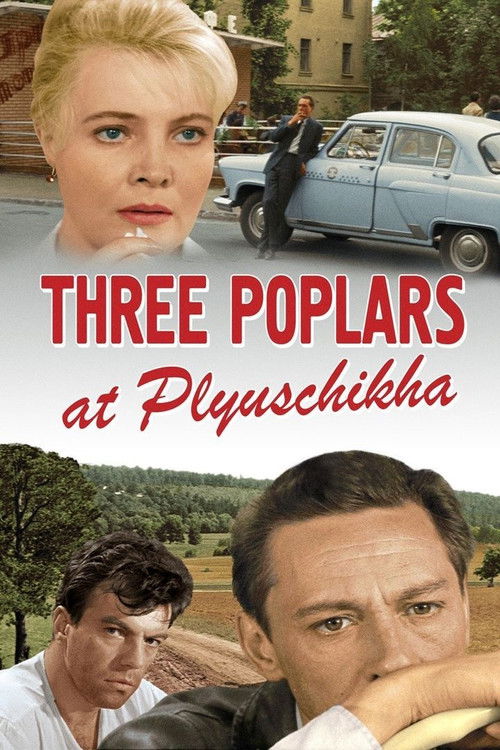
Three Poplars on Plyuschikha Street
1968
No user ratings available yet
Representation score: 7.2 out of 10

Representation Score
Fair
1968
Director
Georgi Natanson
Average Rating
No ratings yetNew Showbiz Analysis
Once More About Love successfully challenges traditional romantic archetypes by emphasizing Natasha's active role in her life. She is not a passive character but instead shapes her professional and emotional path, guiding the male lead to a deeper understanding of love. However, the film is limited by the demographic standards of its time. It lacks visible racial or ethnic diversity and does not include any representation of LGBTQ+ identities or individuals with disabilities. Overall, the film's strength lies in its focus on personal autonomy and emotional truth, even while it remains within the traditional casting boundaries of its historical context.
Category Breakdown
The film focuses on the evolving romance between Natasha and Yevdokimov. There is no clear indication of LGBTQ themes or challenges to the assumption that everyone is straight or cisgender.
Natasha plays a significant role in driving the story by pursuing a career as a flight attendant and taking charge of her own emotional journey. She breaks traditional gender stereotypes by being the catalyst for the male protagonist's emotional development.
The film adheres to the demographic norms of late 1960s Soviet cinema. It features a homogeneous Slavic cast, indicating a lack of visible racial or ethnic diversity.
The story emphasizes personal discovery and emotional truth over rigid social or institutional norms. It adopts a humanistic approach, focusing on individual growth rather than traditional cultural expectations.
There is no evidence of characters with visible or invisible disabilities in the narrative.
Present on Screen
Limited or Absent
Official Synopsis
For the first time, Natasha saw Elektron Yevdokimov at the Polytechnic Museum, where she came with Feliks. Then she really liked the confident speaker. Relations with Feliks didn't work out, and Natasha, leaving home, became a flight attendant — that is what she called her new profession. Once in a cafe, before the next flight, Natasha saw Yevdokimov. They met and began to meet. They experience their feelings for each other in different ways. By the power of her love, Natasha makes Yevdokimov understand what love is.
1968

1961
1956

1966

1961

1971

1980

1945
No reviews yet. Be the first to share your thoughts on this movie!
Use the rating form above to leave a star rating and optional review.