
Autumn
1974
No user ratings available yet
Representation score: 5.6 out of 10

Representation Score
Fair
1980
Director
Viktor Tregubovich
Runtime
93 minutes
Average Rating
No ratings yetNew Showbiz Analysis
Journey to Another Town is a character-driven drama that excels in psychological realism. By focusing on two middle-aged individuals, it steers clear of the typical focus on youth and romantic idealism. The film delves into the complexities of mid-life isolation and the subtleties of human connection. While the film offers a nuanced exploration of individual emotional landscapes, it remains confined by the social norms of its time. The absence of diverse identities and adherence to a narrow focus on straight relationships limit its inclusivity. It serves more as a quiet study of loneliness than a disruption of social structures. Ultimately, the film's value lies in its departure from the rigid, optimistic mandates of Soviet-era storytelling. It opts for the messy, often unhappy realities of private life over collective achievement.
Category Breakdown
The story focuses solely on a heterosexual relationship between Lina and Kirillov. There are no hints of LGBTQ+ identities or queer subtext.
Lina is given significant emotional ability to act and a professional identity as a hotel operator. However, the romantic storyline adheres to conventional clichés of the era.
The film features a homogeneous cast consistent with its 1980s Soviet production context. There is no indication of ethnic or racial diversity.
The film challenges state-driven optimism by emphasizing individual loneliness and personal setbacks. It prioritizes subjective emotional realism over idealized social outcomes.
There are no visible depictions of physical or neurodivergent disabilities within the narrative.
Present on Screen
Limited or Absent
Official Synopsis
By chance, two middle-aged people met - the telephone operator of the hotel Lina and the chief engineer of the construction department Kirillov, who had arrived on official business from Leningrad in one of the provincial cities of the country. Behind everyone has setbacks in family life. A sincere feeling that brought two lonely people closer together helped to see those around them in a new way. They are already over forty. Both are lonely. Having met by chance and fell in love with each other, they never became happy.
1974

1966
1968
1987
1980

1971
1979
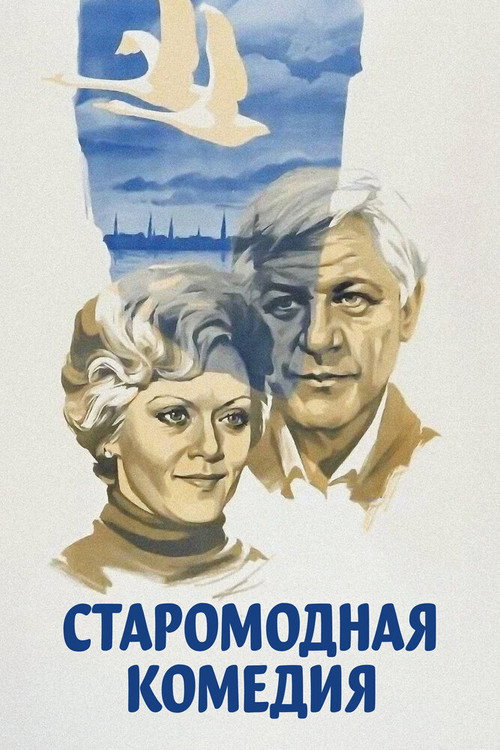
1980
No reviews yet. Be the first to share your thoughts on this movie!
Use the rating form above to leave a star rating and optional review.