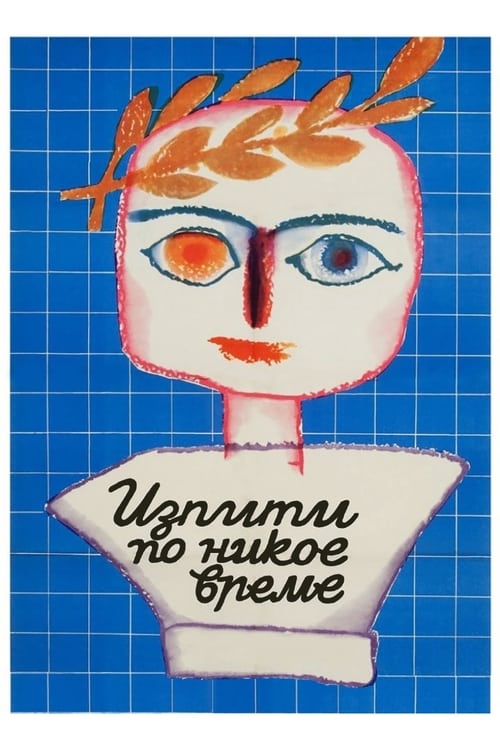
Exams at Any Odd Time
1974
No user ratings available yet
Diversity score: 4.6 out of 10

1983
Director
Karel Smyczek
Runtime
82 minutes
Average Rating
No ratings yetSynopsis
A quarter century after the release of the original film, this sequel brings us a drama about platonic love, life retrospective and memories. Former schoolmates meet again in the mountains and it turns out they have not changed much. Even though so many years have passed, we can still see the souls of boys and girls we know from the teenage comedy Snowdrops and Aces; kids who participated in that legendary skiing course. Its nostalgic humour gives the film a bitter-sweet touch. Thawing Out follows the lives of the main heroes during a period of great changes. How did they manage to escape the traps and what scars have they suffered? Where did they want to go, how far have they got and what is still in front of them?
Overall Score
Fair
Category Breakdown
LGBTQ+ Representation
The film explores platonic love and deep emotional connections among former schoolmates. However, there is no explicit evidence of queer identities or non-cisnormative subtext within the narrative.
Gender Representation
The story balances the perspectives of both boys and girls navigating life's transitions. It avoids traditional gender archetypes by focusing on shared psychological vulnerabilities and scars.
Racial & Ethnic Diversity
Reflecting its 1983 Czechoslovakian origins, the film presents a demographically homogeneous cast. It lacks evidence of ethnic blending or diverse racial representation typical of its era.
Religious & Cultural Diversity
The narrative offers a bittersweet critique of systemic pressures rather than idealized stability. It explores how individuals navigate great social changes and personal survival.
Disability Representation
The film provides no specific information or visible representation regarding physical or neurodivergent disabilities.
Strengths
Areas for Improvement
AI Analysis
Snowdrops and Aces is a character-driven retrospective that prioritizes emotional depth over modern intersectional markers. It succeeds in presenting a nuanced view of human vulnerability, moving past simple archetypes to explore how individuals endure systemic changes. While the film offers a sophisticated look at psychological survival and shared gendered experiences, it remains limited by its historical and regional context. The lack of explicit LGBTQ+ representation and the demographic homogeneity of 1980s Eastern Europe define its boundaries. Ultimately, the film's strength lies in its rejection of traditionalist optimism, opting instead for a realistic, bittersweet exploration of life's complexities.
1974
1971
1978
1977
1983
1991
1981
1972

2001

1976

2021

1999
No reviews yet. Be the first to share your thoughts on this movie!
Use the rating form above to leave a star rating and optional review.