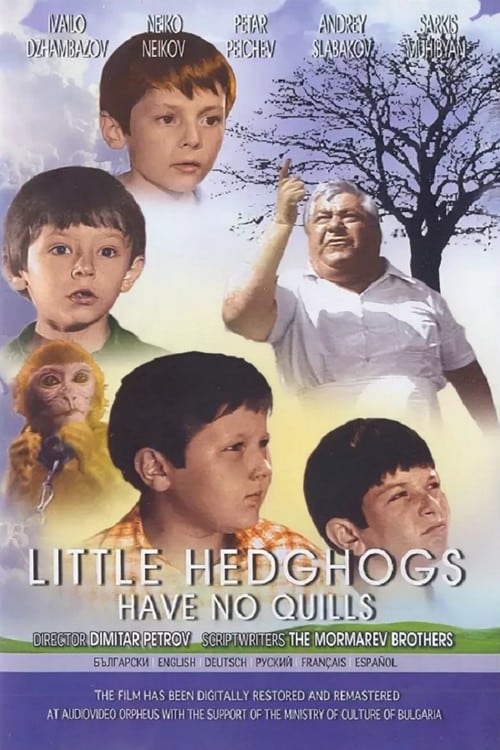
Little Hedghogs Have No Quills
1971
No user ratings available yet
Representation score: 5.2 out of 10
Representation Score
Fair
1974
Director
Ivanka Grubcheva
Runtime
70 minutes
Average Rating
No ratings yetNew Showbiz Analysis
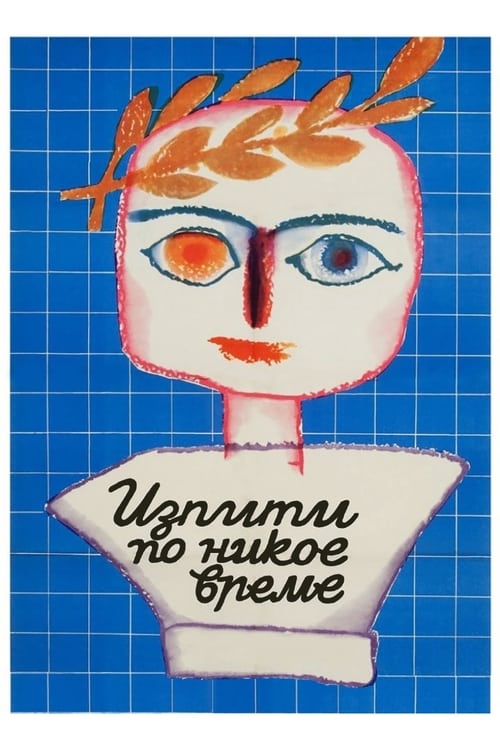
Exams at Any Odd Time primarily explores generational dynamics. It contrasts the innocence of youth against the pragmatic cynicism of adults, offering a critical view of established social structures. While the film questions the sanctity of parental authority, it does not prominently feature multi-layered identity politics. The narrative focuses on a traditional clash of values rather than diverse social representation. Ultimately, the film’s impact lies in its thematic challenge to adult-driven hierarchies rather than its commitment to diverse or inclusive representation.
Category Breakdown
The film does not explicitly include LGBTQ+ identities or same-sex relationships. The plot centers on generational conflict rather than exploring queer identities.
The story highlights the sincerity of children versus the practicality of adults. This setup potentially challenges traditional gender roles if the female characters lead the sincerity.
The film likely features a homogeneous cast typical of 1974 regional cinema. There is no indication of significant ethnic diversity or race-bent casting.
The movie critiques social hierarchies by portraying adult ambitions as heartless. This disrupts traditional views of parental authority as inherently virtuous.
There is no information about the portrayal of physical or neurodivergent disabilities in this work.
Present on Screen
Limited or Absent
Official Synopsis
Two novels united by common characters and a never-settled problem: the clash between sincerity of children and the heartless pragmatism and ambitions of grown-ups.
1971
1964
1977
1959
1981

1985
1972
1978
No reviews yet. Be the first to share your thoughts on this movie!
Use the rating form above to leave a star rating and optional review.