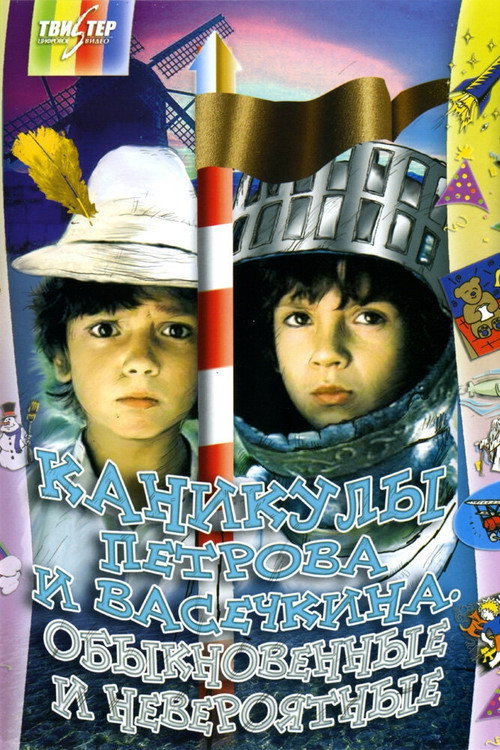
Vacation of Petrov and Vasechkin, Usual and Incredible
1984
No user ratings available yet
Representation score: 3.5 out of 10
Representation Score
Limited
1983
Director
Vladimir Alenikov
Runtime
135 minutes
Average Rating
No ratings yetNew Showbiz Analysis
This 1983 Soviet comedy is a traditional character-driven story focused on childhood dynamics. It adheres closely to the demographic and social norms of its era, prioritizing interpersonal mischief over systemic or multi-layered exploration. While the film lacks significant diversity in terms of race, religion, or LGBTQ+ identity, it offers a minor subversion of gender clichés. Masha is portrayed with intellectual ability to act rather than as a passive romantic interest. Ultimately, the film functions as a localized family comedy that maintains conventional social structures and a homogeneous worldview.
Category Breakdown
The story centers on a heterosexual relationship between Vasya and Masha. There is no evidence of queer subtext or non-cisgender identities in the narrative.
Masha disrupts traditional gender roles by being portrayed as an intellectually capable character. She uses her ability to act to identify Vasya's mistakes and reject his advances.
The film follows a conventional, homogeneous casting model. It lacks evidence of a multi-ethnic cast or diverse character archetypes.
The narrative focuses on childhood social hierarchies and mischief. It does not address systemic critiques or diverse cultural backgrounds.
There are no identifiable characters with visible or invisible disabilities within the provided context.
Present on Screen
Limited or Absent
Official Synopsis
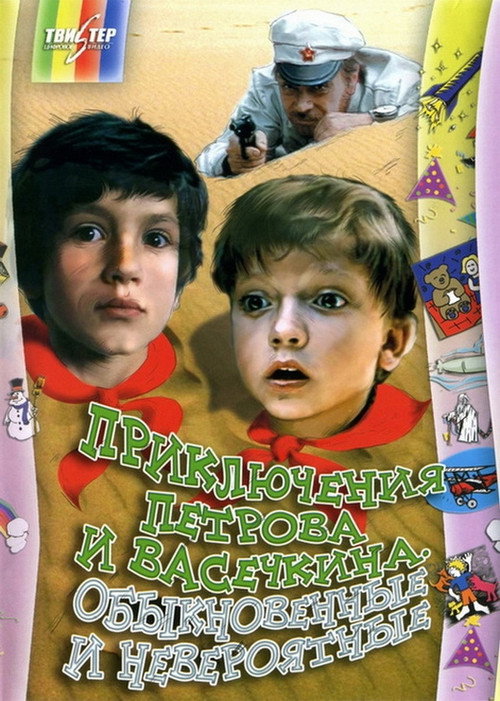
Best friends and mischievous third-graders Vasya Petrov and Petya Vasechkin, despite their differences, share a love for adventures. Romantic Vasya falls for his serious, excellent classmate Masha and writes her an anonymous love note. However, the quick-witted Masha identifies Vasya due to his errors and rejects him harshly. Upset, Vasya confides in Petya, who then devises a cunning plan to win Masha over.
1984
1972

1990

1982
1978
1977

1984

1985
No reviews yet. Be the first to share your thoughts on this movie!
Use the rating form above to leave a star rating and optional review.