Pippi Longstocking
1984
No user ratings available yet
Representation score: 6.2 out of 10
Representation Score
Limited
1976
Director
Věra Plívová-Šimková
Runtime
90 minutes
Average Rating
No ratings yetNew Showbiz Analysis
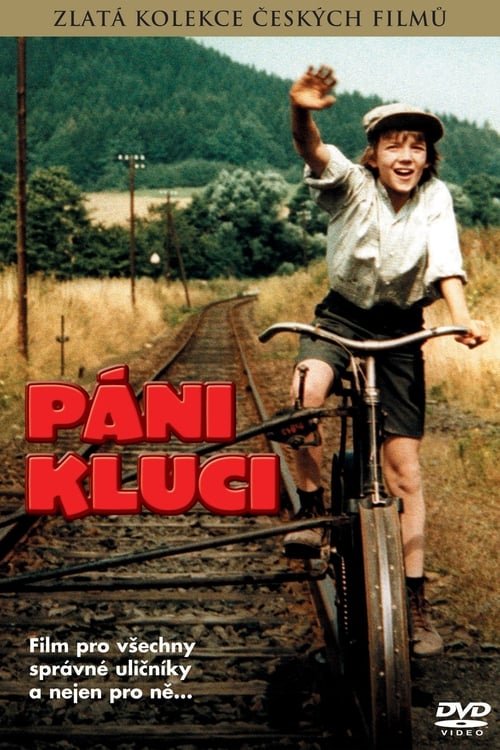
Boys Will Be Boys is a traditional coming-of-age film that emphasizes realistic domestic settings and the universal experiences of childhood. It centers on the interpersonal dynamics of a small-town Czech community during a specific historical period. The film adheres to the social norms of its time, focusing on the mischief and growth of young boys. While it provides a nuanced view of childhood curiosity, it does not actively challenge traditional social hierarchies. Overall, the film remains a culturally specific piece of observational storytelling without the progressive narrative disruptions or multi-layered identity politics seen in modern cinema.
Category Breakdown
The film follows traditional heterosexual relationship clichés, with Tomás's main goal being to pursue a romantic interest in Blanka, reinforcing conventional dating norms.
The story emphasizes male friendships and socialization. Female characters such as Aunt Apolena and Blanka serve as relational anchors but do not have their own independent, active roles in the plot.
The film reflects the ethnic makeup of 1976 Czechoslovakia, with a predominantly Czech cast. There is no exploration of multi-ethnic or post-colonial themes.
The movie focuses on the coming-of-age experience within a specific mid-20th century Eastern European context. It highlights personal morality and community consequences without broader systemic critiques.
There are no significant representations of visible or invisible disabilities. Characters operate within typical physical and cognitive norms.
Present on Screen
Limited or Absent
Official Synopsis
Three friends - Tomás, Hubert and Jozka - are boys growing up in a little town. Tomás lives with his aunt Apolena and uncle Václav. Tomás is a boy with lots of ideas that often end up getting him into trouble not only with his teachers and aunt, but with the other inhabitants of the town as well. He has a crush on his schoolmate Blanka and for her sake he decides to try to get the prize for the best pupil in the school.
1984
1977

2013
1983
1982
1983
1961
1971
No reviews yet. Be the first to share your thoughts on this movie!
Use the rating form above to leave a star rating and optional review.