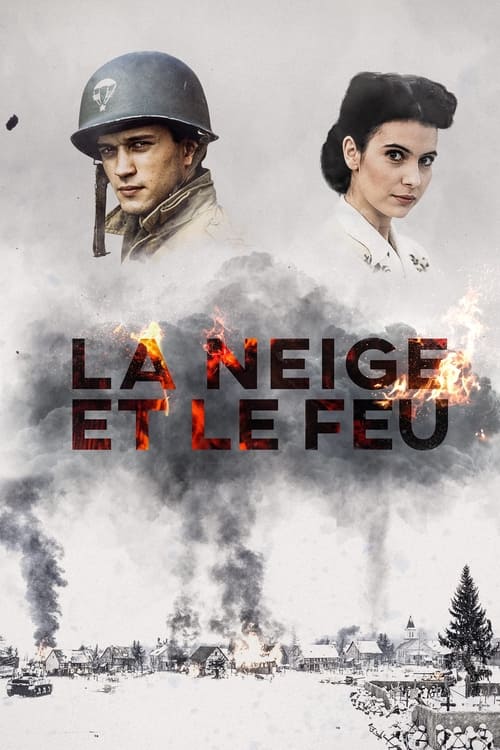
Snow and Fire
1991
No user ratings available yet
Representation score: 1.8 out of 10
Representation Score
Fair
2011
Director
Caroline Deruas
Runtime
25 minutes
Average Rating
No ratings yetNew Showbiz Analysis
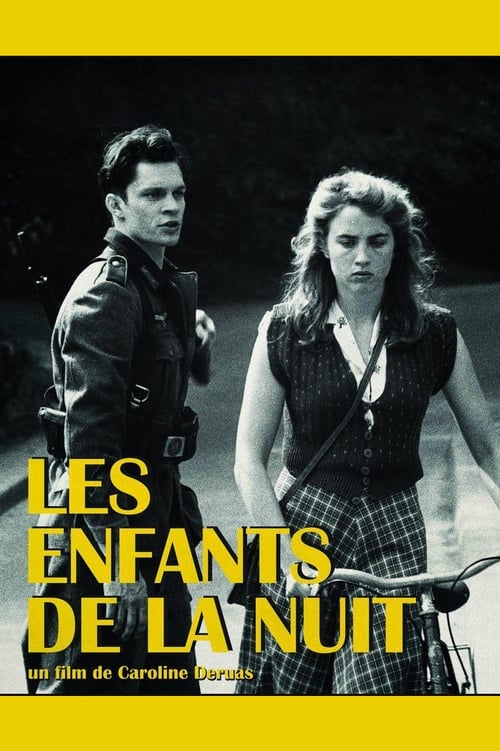
Children of the Night is a character-driven period drama that prioritizes interpersonal ethics over grand political statements. It succeeds in challenging simple patriotic narratives by exploring moral gray areas of wartime romance. However, the film remains tied to conventional demographic frameworks. The focus on a specific European historical context and a traditional romantic structure limits its broader diversity reach. Ultimately, the film explores individual ability to act against the backdrop of conflict, even if it stays within standard genre boundaries.
Category Breakdown
The story centers on a heterosexual romance between Henriette and Josef. It does not include LGBTQ+ identities or non-straight relationship structures.
Henriette drives the plot through her choices, providing emotional leadership. However, Marcel's character follows traditional gendered conflict patterns rooted in unrequited love.
The film focuses on ethnic tensions between French and German forces during a specific historical period. It does not offer multi-ethnic representation.
The narrative complicates patriotic binaries by framing romance as a critique of wartime allegiances. It prioritizes individual subjective experiences over absolute nationalistic duty.
There is no evidence regarding the portrayal of physical or neurodivergent disabilities in this work.
Present on Screen
Limited or Absent
Official Synopsis
Spring 1944. «Some love stories seem self-evident. Perhaps they were unaware of its fatal outcome. In any case, it was inevitable.» Coming from a family of Resistance fighters, Henriette lives the inconceivable : she falls in love with Josef, a young German soldier. Marcel, her friend since childhood, secretly in love with her, discovers their romance and joins the maquis the day before the Liberation. When he will come back, he will not be alone anymore, and they will wear the armband of the FFI.
1991
1974
1986
2018
2006
1999
1953
2015
No reviews yet. Be the first to share your thoughts on this movie!
Use the rating form above to leave a star rating and optional review.