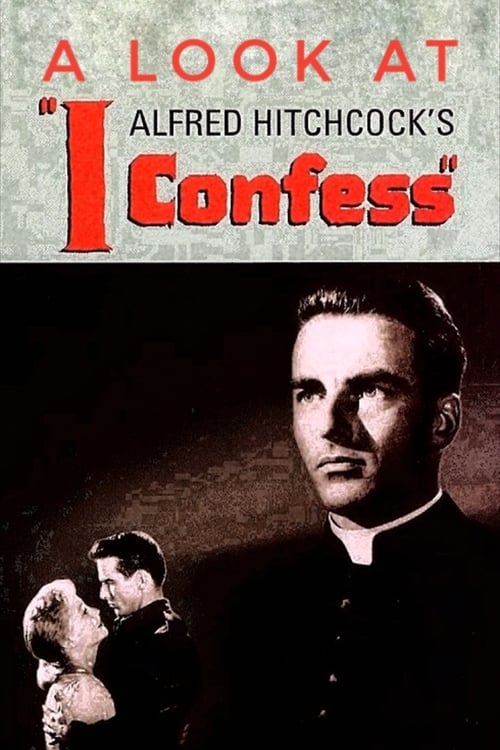
Hitchcock's Confession: A Look at I Confess
2004
No user ratings available yet
Diversity score: 3.2 out of 10
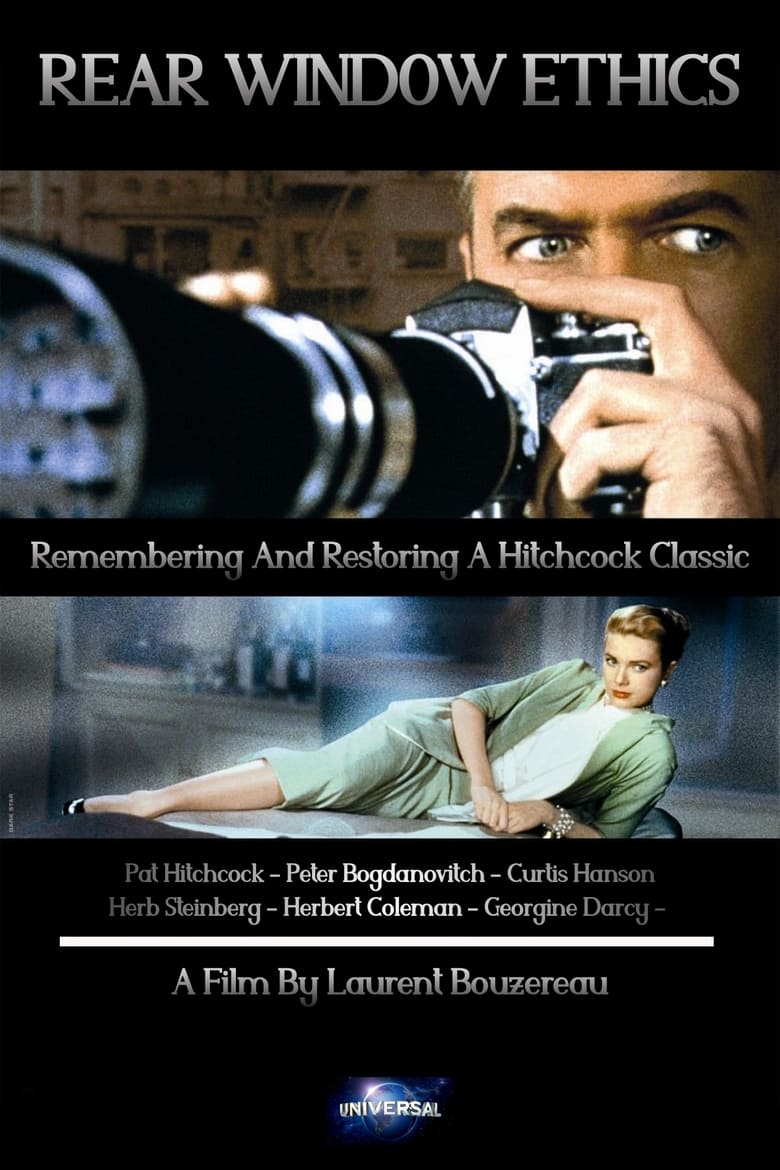
2001
Director
Laurent Bouzereau
Runtime
56 minutes
Average Rating
No ratings yetSynopsis
A documentary about Alfred Hitchcock's classic 1954 film Rear Window.
Overall Score
Limited
Category Breakdown
LGBTQ+ Representation
The documentary focuses on the technical ethics of film restoration. It lacks explicit LGBTQ+ character arcs or narratives designed to critique heteronormativity.
Gender Representation
The film examines a mid-century classic defined by traditional gender roles. The lens remains archival and technical rather than seeking to subvert domestic hierarchies.
Racial & Ethnic Diversity
Content reflects the social constraints of a 1954 Hollywood production. There is no indication of intentional intersectional diversity or race-bent casting within the documentary.
Religious & Cultural Diversity
The work celebrates Western cinematic history and the preservation of the Hollywood canon. It reinforces the value of historical preservation over contemporary social critiques.
Disability Representation
The narrative centers on a protagonist with a physical disability. However, the focus remains on cinematic mechanics rather than modern, agency-driven disability exploration.
Strengths
Areas for Improvement
AI Analysis
This documentary serves as a scholarly examination of film history and the technical processes required to restore a mid-century masterpiece. Because it is tethered to the social hierarchies of the original 1954 source material, the work inherently maintains the demographic structures of that era. The film functions as an academic deep-dive into archival preservation rather than a vehicle for contemporary identity-driven storytelling. It prioritizes the technical mastery of the past over progressive narrative disruption. Ultimately, the documentary is a celebration of Western cinematic heritage. It provides significant value regarding film ethics but does not aim to challenge the traditional social frameworks present in Hitchcock's original work.
2004
2000
2004
2000

2024
1998
2005

1999
2001

2001

1995
1998
No reviews yet. Be the first to share your thoughts on this movie!
Use the rating form above to leave a star rating and optional review.