Extreme Happiness
2010
No user ratings available yet
Representation score: 6.4 out of 10
Representation Score
Fair
2016
Director
Domingos de Oliveira
Runtime
88 minutes
Average Rating
No ratings yetNew Showbiz Analysis
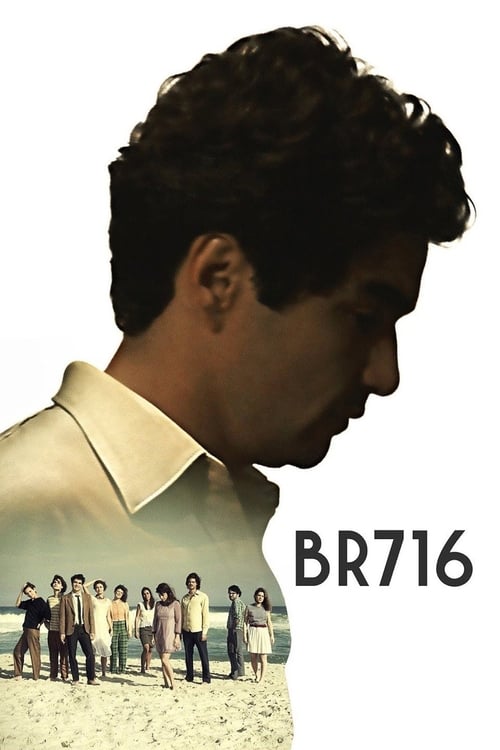
BR 716 offers a nuanced look at social autonomy during a period of systemic political transition in Brazil. By centering on the bohemian lifestyle of 1960s Copacabana, the film shifts focus away from state actors toward the lived experiences of intellectuals and artists. The film succeeds in presenting a counter-narrative to traditional period dramas, using personal hedonism as a form of resistance against the era's rigid social norms. It effectively captures the tension between individual liberty and the era's complicated political climate. However, the narrative's focus on the male protagonist leaves questions regarding the depth of representation for women and specific underrepresented groups. While the setting is culturally rich, the specific roles of diverse characters remain secondary to the central theme of intellectual freedom.
Category Breakdown
The film explores a lifestyle of freedom that challenges the conservative social structures of 1960s Brazil. Its focus on bohemian social circles provides a space where non-traditional identities can find a significant role in driving the story.
The narrative examines the intersection of gender and social liberation within the urban party scene. However, the protagonist, Felipe, seems to have more control over his fate than the female characters, whose autonomy is less clear.
Set in Rio de Janeiro, the film utilizes its urban setting to reflect a multi-ethnic social fabric. The setting implies a departure from homogeneous depictions of Brazilian upper-class life, showcasing a diverse range of people.
The story prioritizes individualistic, secular lifestyles over traditional religious constraints. It frames bohemian morality as a form of freedom against the era's rigid political and social institutions.
There is no evidence available to evaluate the portrayal of visible or invisible disabilities within the film.
Present on Screen
Limited or Absent
Official Synopsis
In 1960s Rio de Janeiro, aspiring writer Felipe leads a life of wild parties held in an apartment in famous street Barata Ribeiro in Copacabana. There he and his friends enjoy freedom even in the midst of a complicated political moment.
2010

2006
1987

1967
2008
2010
2012
1968
No reviews yet. Be the first to share your thoughts on this movie!
Use the rating form above to leave a star rating and optional review.