Extreme Happiness
2010
No user ratings available yet
Representation score: 6.4 out of 10
Representation Score
Fair
1987
Director
Francisco Ramalho Jr.
Runtime
108 minutes
Average Rating
No ratings yetNew Showbiz Analysis
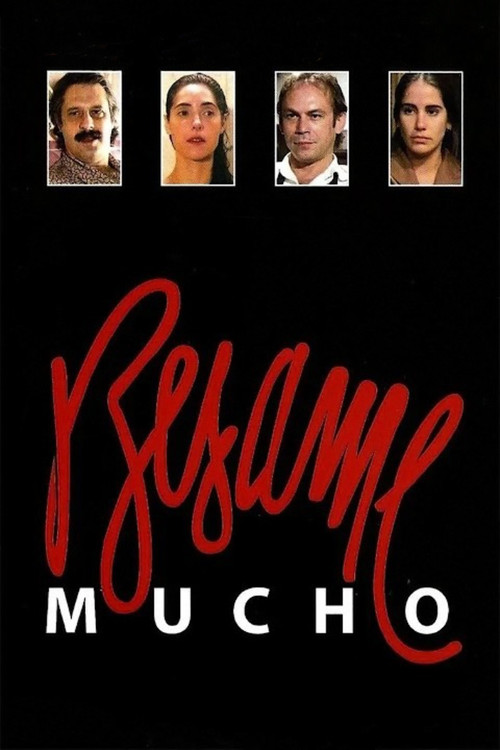
Besame Mucho serves as a long-term character study that uses personal intimacy to reflect Brazil's sociopolitical upheaval. By following two couples over twenty years, the film examines the tension between personal freedom and systemic political pressures. The narrative avoids escapist clichés, focusing instead on how political events in the 1960s and 1970s actively shape the lives of the characters. This creates a grounded exploration of human relationships within a changing social landscape. While the film offers a strong critique of power structures and provides balanced gender roles, it lacks specific details regarding LGBTQ+ identities or disability representation.
Category Breakdown
The film explores the frustrations of growing up and the fading of youthful dreams. While it avoids idealized heterosexual clichés, it doesn't explicitly show diverse gender identities.
Women such as Olga and Dina are placed on equal footing with their male counterparts. The story suggests they may gain more control as they move from small towns to big cities.
Set in São Paulo, the film captures the complex racial dynamics of Brazil. It addresses the systemic issues of the 1960s and 1970s.
The story uses the political instability of the 1960s and 1970s to illustrate how institutional changes affect individuals. It connects personal stories to broader state power structures.
There is no evidence regarding the portrayal of physical or neurodivergent identities in the narrative.
Present on Screen
Limited or Absent
Official Synopsis
The story of two couples - Xico and Olga, Tuca and Dina - through 20 years of friendship, from adolescent dreams to maturity frustrations. They meet in a small town in the State of São Paulo, but one of the couples decides to try their luck in the big city. As background, the political events in the 60's and 70's, and how they affect their lives.
2010

2006
2016

1994
1995
1982
2008
2010
No reviews yet. Be the first to share your thoughts on this movie!
Use the rating form above to leave a star rating and optional review.