The Duck Hunt
1932
No user ratings available yet
Representation score: 0.5 out of 10
Representation Score
Minimal
1932
ApprovedDirector
David Hand
Runtime
8 minutes
Average Rating
No ratings yetNew Showbiz Analysis
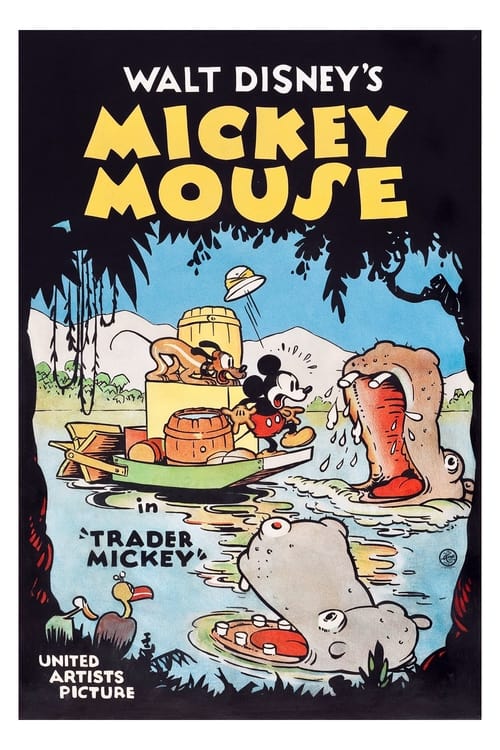
Trader Mickey, produced in 1932, relies heavily on the harmful racial caricatures and colonialist clichés typical of early animation. The film lacks any meaningful exploration of diverse identities or subversion of social norms. The narrative centers on a male protagonist and employs stereotypical depictions of African cultures to advance the plot. This creates a hierarchy where the Western traveler is the primary viewpoint.
Category Breakdown
The film follows a traditional adventure storyline focused on Mickey Mouse and Pluto. It does not include any representations of non-binary gender identities or same-sex relationships.
Mickey Mouse is portrayed as a male-driven protagonist in a masculine adventure narrative. The cast lacks significant roles for women, with nearly all characters being male or male-coded animals.
The film uses harmful racial caricatures, depicting African populations as predatory cannibals. These oversimplified portrayals reinforce colonialist views and racial stereotypes.
The narrative is set within a Western colonial framework, presenting indigenous populations as antagonists. It validates the perspective of Western travelers through a conventional conflict structure.
There are no visible or hidden disabilities represented in the main characters or the central narrative.
Present on Screen
Limited or Absent
Official Synopsis
Mickey Mouse and Pluto are traveling up an African river with a cargo of goods (including several musical instruments). They hit land and are captured by cannibals who plan to eat them. As soon as Mickey starts playing on a saxophone, they all start jamming to "The Darktown Strutter's Ball."
1932
1940
1932
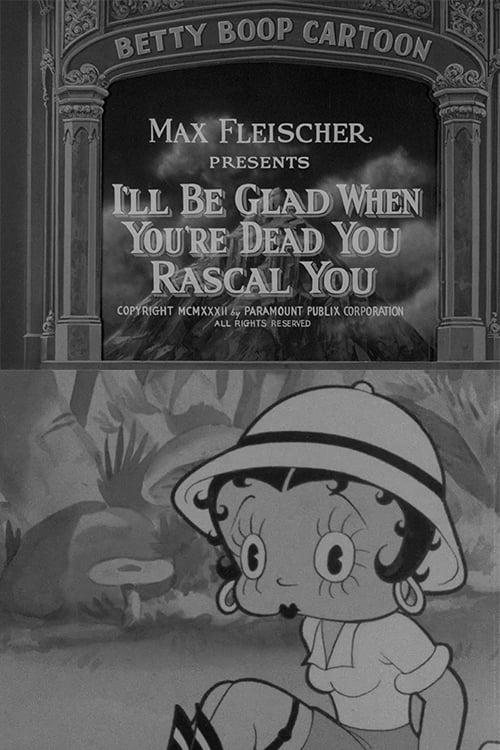
1932
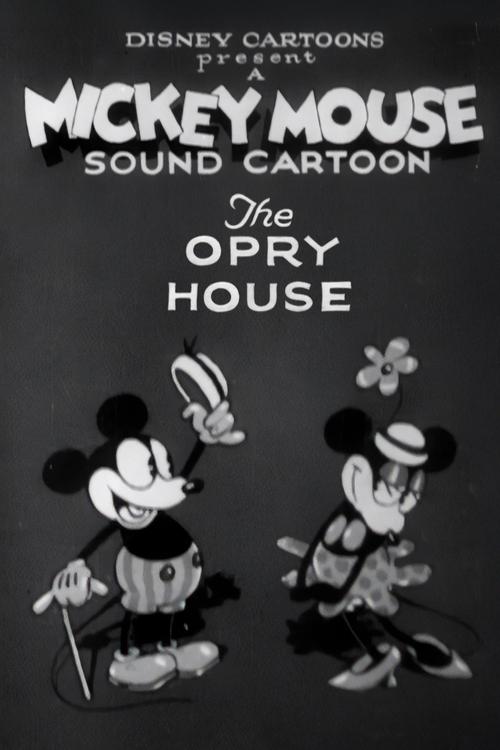
1929
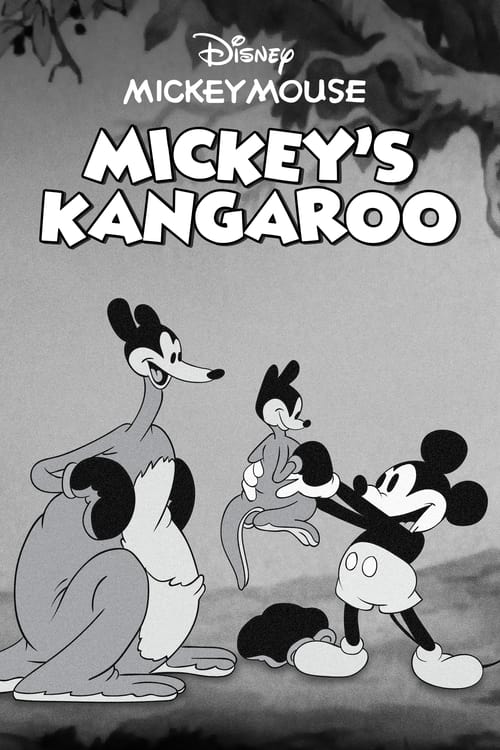
1935
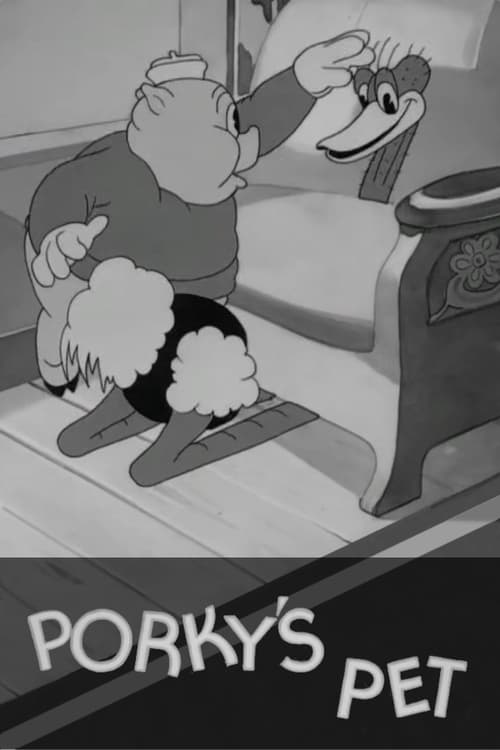
1936
1931
No reviews yet. Be the first to share your thoughts on this movie!
Use the rating form above to leave a star rating and optional review.