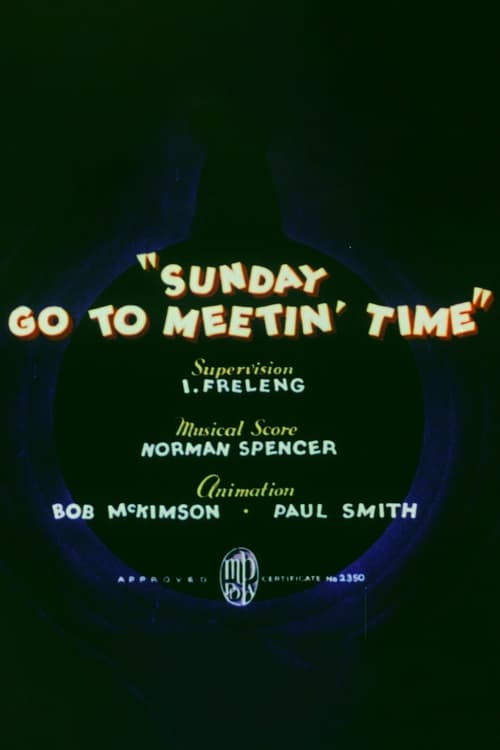
Sunday Go to Meetin' Time
1936
No user ratings available yet
Diversity score: 1.2 out of 10
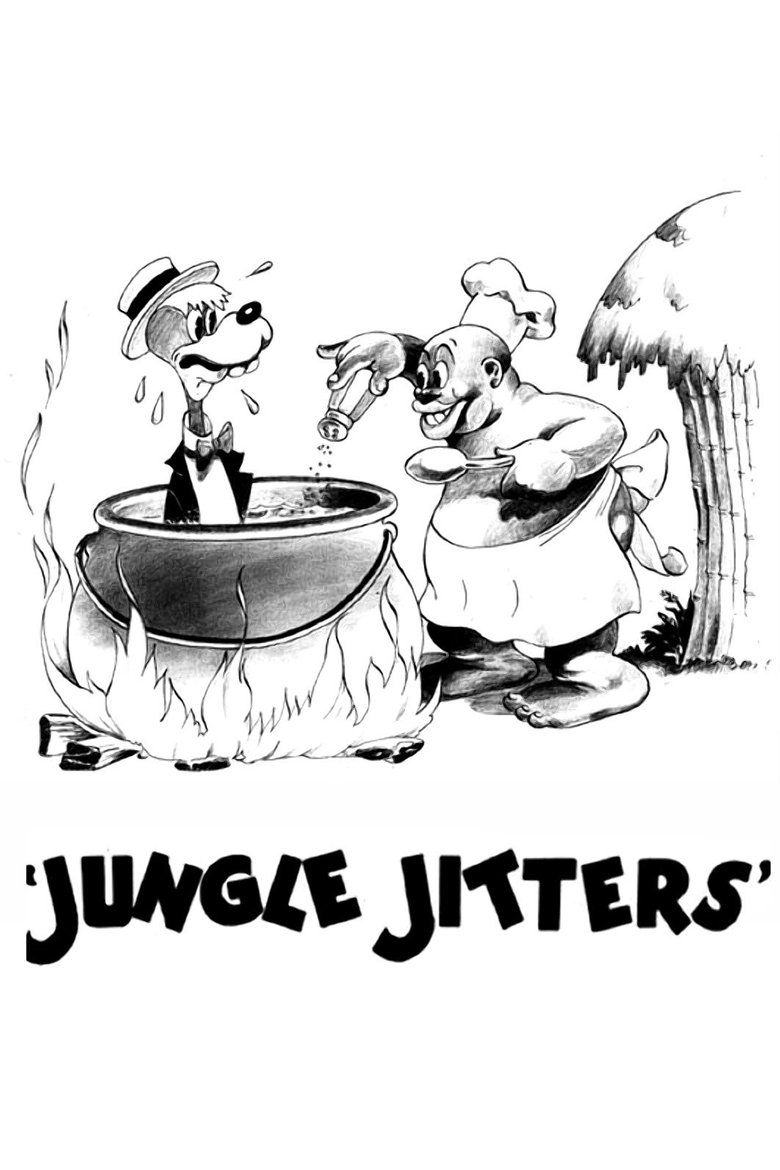
1938
ApprovedDirector
Friz Freleng
Runtime
7 minutes
Average Rating
No ratings yetSynopsis
Starts out with a tribe of African cannibals imitating Native Americans. After this, they do the new Warner Bros. Looney Tunes theme "The Merry-Go-Round Broke Down." Then a sloppy stuttering salesman knocks on their doors, and they bring him in and put him in a pot of boiling water. The queen of the tribe wants to see the man. She falls in love with him. They get married, but when the salesman sees he has to kiss the bride, he decides he'd be better off being dinner for a tribe of hungry cannibals. One of the “Censored 11” banned from TV syndication by United Artists in 1968 for racist stereotyping.
Overall Score
Minimal
Category Breakdown
LGBTQ+ Representation
The film contains no LGBTQ+ characters or themes. The romantic subplot follows a strictly heteronormative structure involving a male outsider and a female tribal leader.
Gender Representation
A female tribal leader is present, but her agency is framed through predatory or exoticized tropes. The male protagonist is depicted through incompetence and cowardice to drive the comedy.
Racial & Ethnic Diversity
The film relies on harmful racial caricatures and dehumanizing tropes. It uses layered ethnic mockery, such as African tribes imitating Native Americans, to reinforce racial hierarchies.
Religious & Cultural Diversity
The narrative promotes a colonialist worldview by presenting 'othered' cultures as primitive or dangerous. It lacks depth, treating the tribe as a comedic obstacle rather than human beings.
Disability Representation
There is no meaningful representation of disability. The protagonist's stutter is used as a comedic device to signal inadequacy and mock speech impediments.
Strengths
Areas for Improvement
AI Analysis
Jungle Jitters is a historical artifact of systemic bias that relies heavily on reductive caricatures. The film's structure is built upon the active reinforcement of racial hierarchies and dehumanizing tropes, specifically through the depiction of African tribes as cannibals. While the film features a female leader, her role is limited to an exoticized trope rather than genuine leadership. The protagonist's speech impediment is used purely for mockery, and the narrative lacks any nuance or subversion of social hierarchies. Ultimately, the work functions as a collection of harmful stereotypes. It presents a Western-centric view of civilization versus savagery, making it a primary example of the era's uncritical use of racial and cultural mockery.
1936
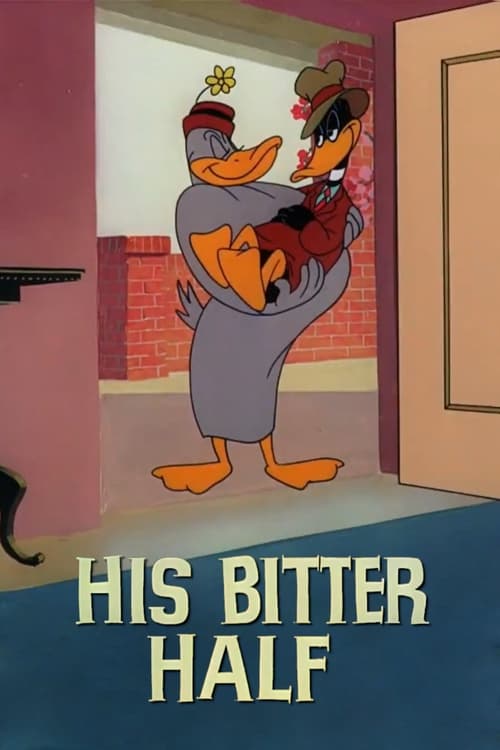
1950
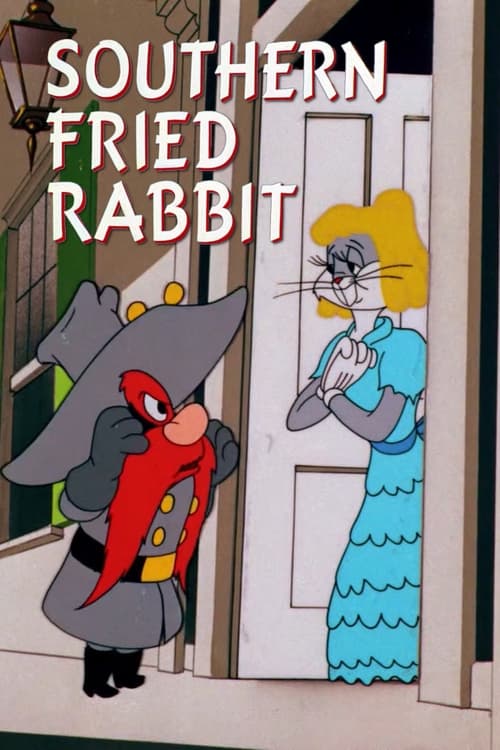
1953
1935
1944
1949
1959
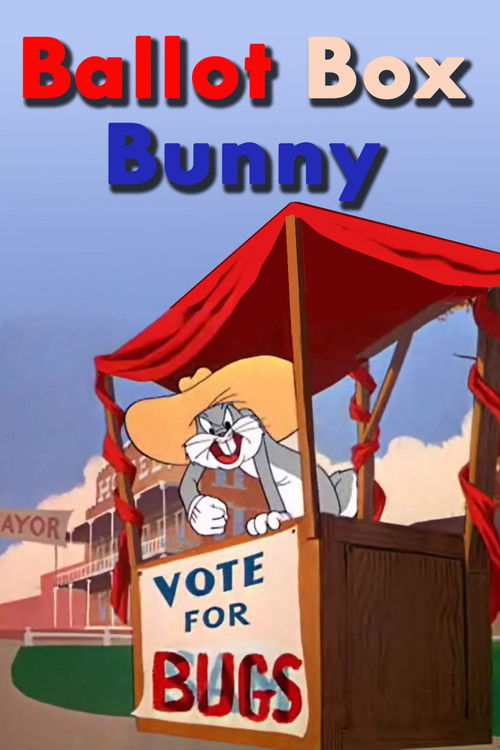
1951
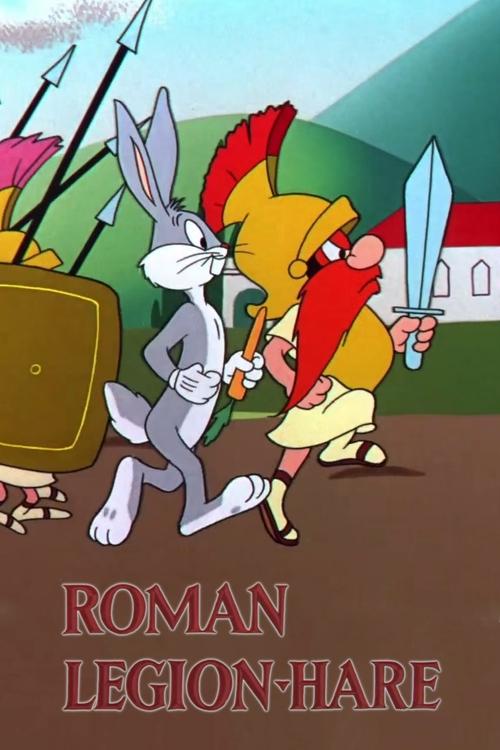
1955
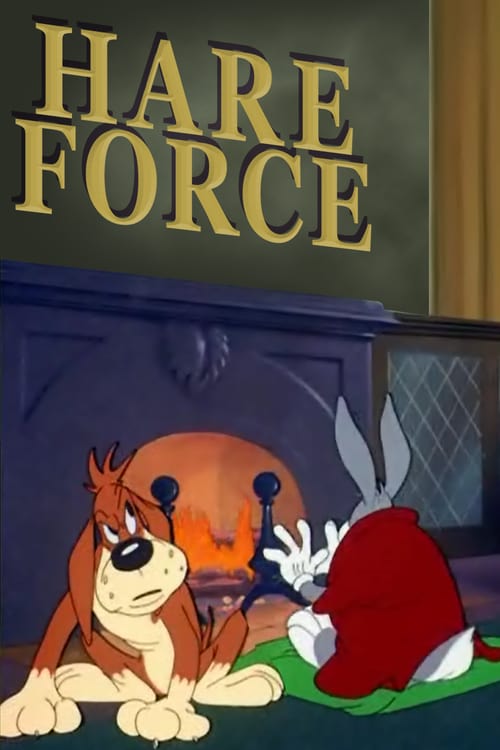
1944
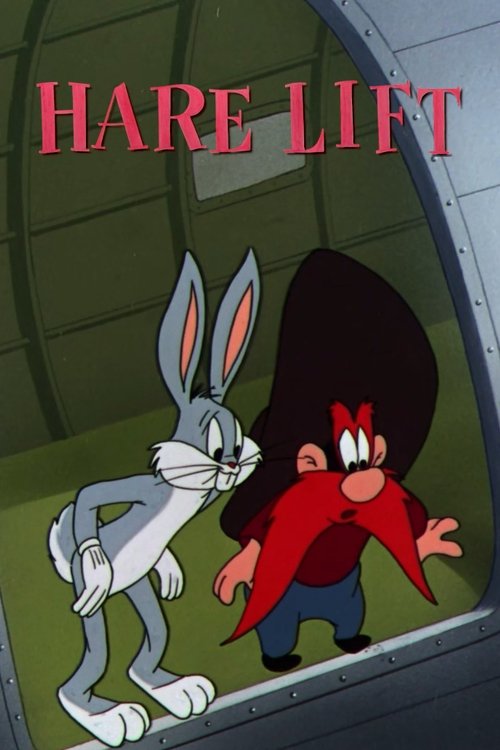
1952
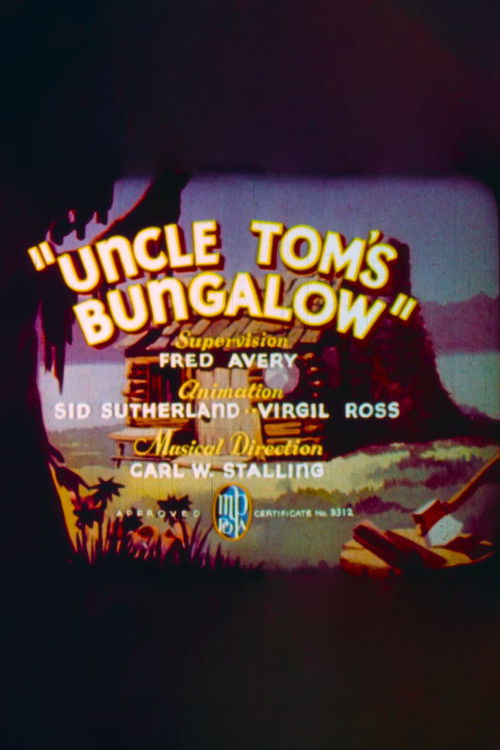
1937
No reviews yet. Be the first to share your thoughts on this movie!
Use the rating form above to leave a star rating and optional review.