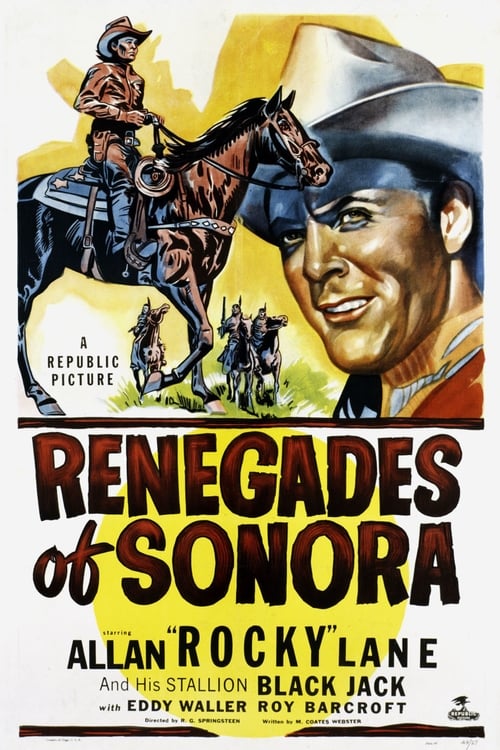
Renegades of Sonora
1948
No user ratings available yet
Diversity score: 2.8 out of 10
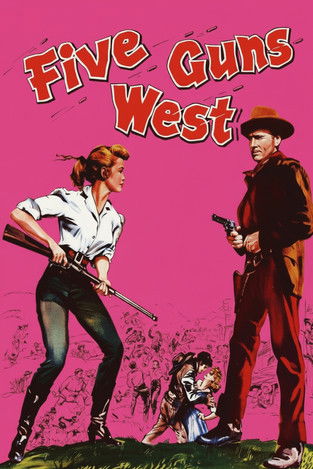
1955
ApprovedDirector
Roger Corman
Runtime
78 minutes
Average Rating
No ratings yetSynopsis
During the Civil War, five condemned Southern prisoners are plucked off Death Row and promised pardons on the condition that they undertake a mission to head west and bring back a double-crossing Confederate spy who has a stagecoach full of Confederate gold.
Overall Score
Limited
Category Breakdown
LGBTQ+ Representation
The film lacks any discernible presence of LGBTQ+ characters or non-heteronormative identities. It operates within rigid 1950s social frameworks where queer agency and identity-based subtext are entirely absent.
Gender Representation
The narrative is heavily male-centric, focusing on a cohort of five male prisoners. Female characters function in traditional supporting roles without the agency to drive the central plot.
Racial & Ethnic Diversity
Character dynamics reflect a homogeneous perspective consistent with 1950s cinematic standards. Despite the Civil War setting, the film does not explore racial diversity or provide agency to characters of color.
Religious & Cultural Diversity
The story adheres to traditional Western tropes regarding frontier justice. It does not engage in critiques of Western institutions, using Confederate gold as a standard plot device rather than a systemic critique.
Disability Representation
There are no notable depictions of physical or neurodivergent disabilities. Characters are defined strictly by their roles as prisoners or frontiersmen.
Strengths
Areas for Improvement
AI Analysis
Five Guns West is a quintessential mid-century B-movie Western that prioritizes efficient, genre-driven storytelling over social complexity. The film reinforces the traditional hierarchies of its era, focusing almost exclusively on masculine leadership and physical prowess. The narrative structure relies on established tropes of the frontier, such as the pursuit of gold and the mechanics of justice. It lacks the intentionality required to disrupt or subvert the conventional expectations of identity, gender, or power prevalent in 1955. Ultimately, the film serves as a product of its time, offering a homogeneous perspective that avoids the intersectional representation found in more modern or subversive works.
1948
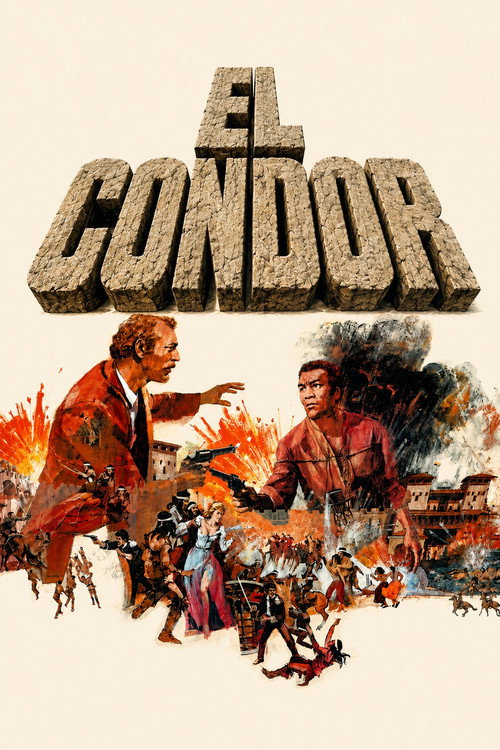
1970

1935
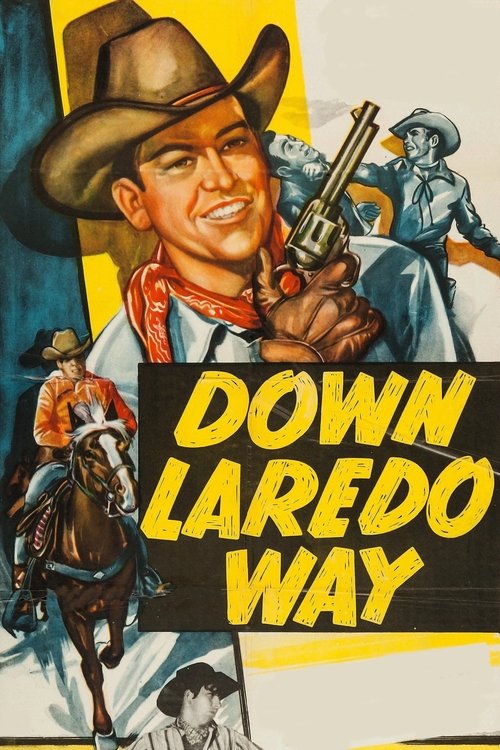
1953

1953
1970

1970
1957
1948
1934
1970

1968
No reviews yet. Be the first to share your thoughts on this movie!
Use the rating form above to leave a star rating and optional review.