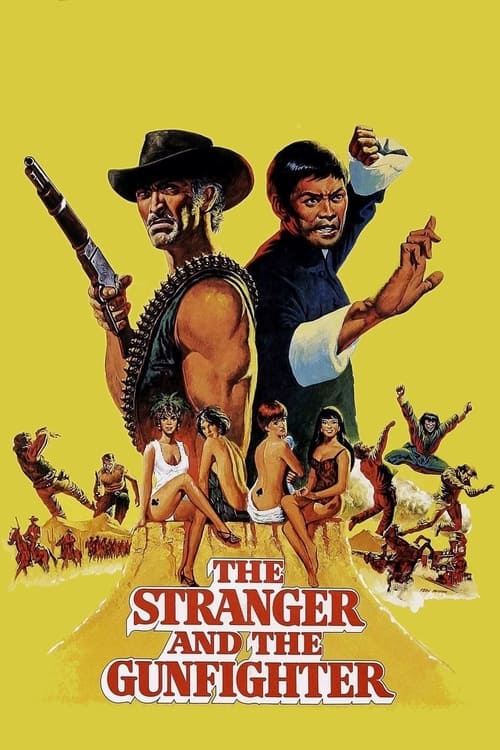
The Stranger and the Gunfighter
1974
No user ratings available yet
Representation score: 1.1 out of 10

Representation Score
Minimal
1970
Not RatedDirector
Mario Bava
Runtime
85 minutes
Average Rating
No ratings yetNew Showbiz Analysis
Mario Bava’s parody heavily relies on traditional Western clichés, emphasizing stylistic irreverence over sociopolitical depth. The narrative focuses on a male rivalry, limiting opportunities for exploring diverse identities. While the film introduces a Native American girl who adds complexity and a villainous priest who challenges traditional views, it still adheres to the colonialist framework typical of the Western genre. Overall, the film offers some moderate inclusion through its supporting characters but falls short of providing the multi-layered complexity required for a higher score.
Category Breakdown
The film follows traditional Spaghetti Western themes and does not include any non-cisgender identities or narratives that challenge the assumption that everyone is straight.
The plot centers around a rivalry between two male characters. A young Native American girl appears but mainly serves as a catalyst for the male protagonists' actions.
A Native American girl adds complexity by pitting the two main characters against each other. However, the portrayal stays within the stylistic boundaries of 1970s Western cinema.
The film includes a villainous priest who was once a crime lord, challenging the traditional view of priests as inherently virtuous figures.
There are no visible representations of physical or neurodivergent disabilities that play a central role in the narrative.
Present on Screen
Limited or Absent
Official Synopsis
Two outlaws compete with each other over a treasure map that will lead them to buried gold while one of them is in league with a sadistic priest-turned-crime lord, while a young Native American girl helps both outlaws and plays both sides against each other.
1974
1969

1974
1962
1972

1970

1970
1966
No reviews yet. Be the first to share your thoughts on this movie!
Use the rating form above to leave a star rating and optional review.