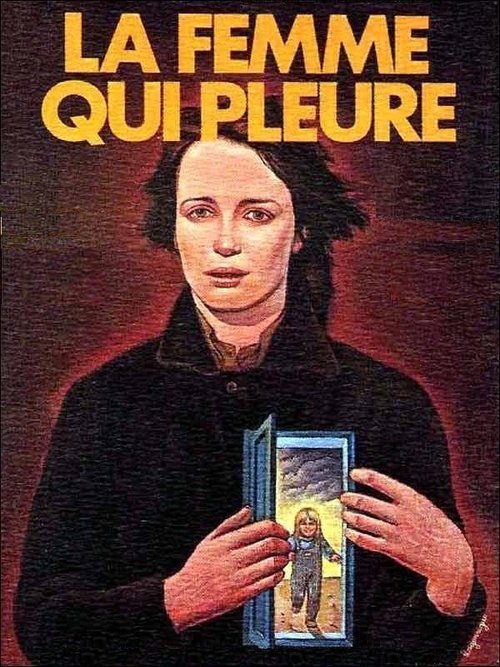
The Crying Woman
1979
No user ratings available yet
Diversity score: 4.6 out of 10
1972
Director
Alain Levent
Runtime
88 minutes
Average Rating
No ratings yetSynopsis
In 1916, Vincent van Horst leaves Europe to return to his Canadian homeland. There, he seeks his former love, Maria... but the lady's pride is hurt and she refuses to see him. Vincent then falls for a younger woman, Annie.
Overall Score
Limited
Category Breakdown
LGBTQ+ Representation
The film follows a heteronormative romantic structure centered on a male protagonist. There is no evidence of non-cisnormative identities or critiques of traditional sexual norms.
Gender Representation
The story focuses on a man's emotional journey through his pursuit of women. While Maria shows agency through her pride, the female characters primarily serve as romantic catalysts.
Racial & Ethnic Diversity
Set in 1916 Canada, the narrative appears predominantly Eurocentric. The character names and historical context suggest a homogeneous social structure without explicit racial diversity.
Religious & Cultural Diversity
This period drama adheres to conventional Western storytelling traditions. It focuses on individualistic romantic pursuits rather than deconstructing traditional institutions or exploring diverse cultural themes.
Disability Representation
The narrative contains no mention of characters with physical, neurodivergent, or mental health disabilities.
Strengths
Areas for Improvement
AI Analysis
The film operates within the conventional dramatic frameworks of its era, prioritizing a traditional romantic arc. The narrative is driven by a male protagonist's pursuit of two different women, which limits the scope of gender dynamics to standard tropes. Culturally, the setting and characterization suggest a Eurocentric worldview typical of early 20th-century Western dramas. There is a lack of intersectional complexity or representation of marginalized identities, both in terms of race and sexual orientation. Ultimately, the film functions as a standard period piece. It lacks the subversion of social hierarchies or the inclusion of diverse lived experiences necessary to move beyond a narrow, traditionalist perspective.
1979
1960

1977
1951

2017
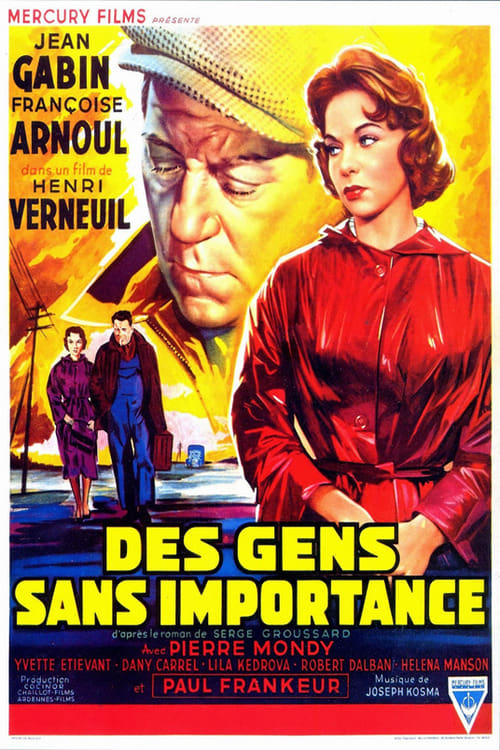
1956

2024
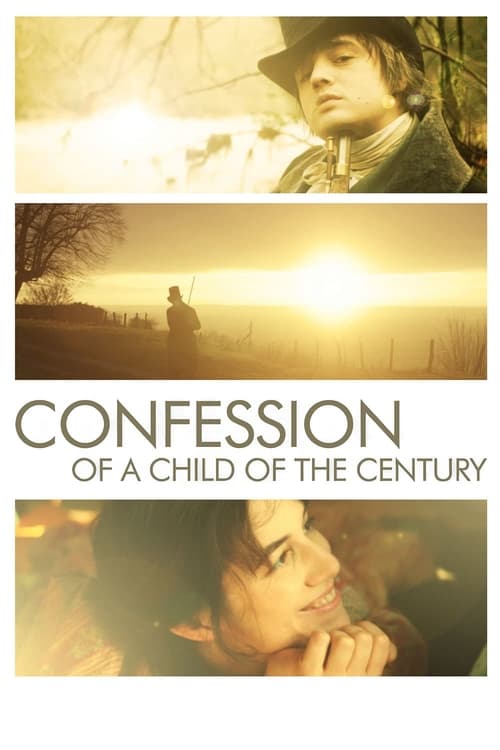
2012
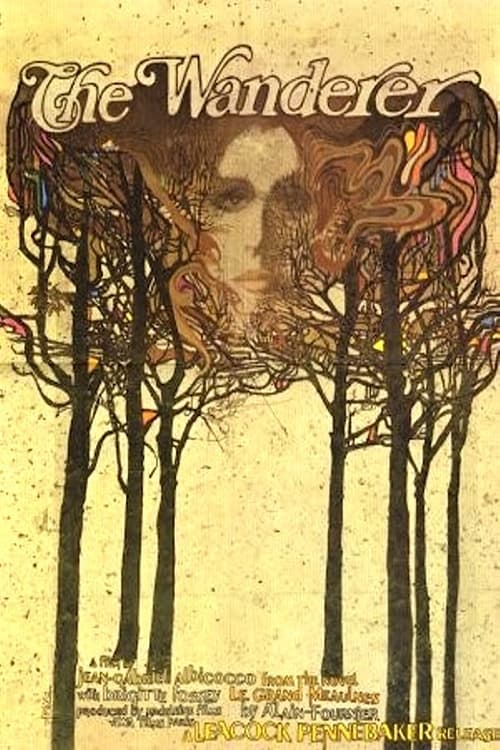
1967
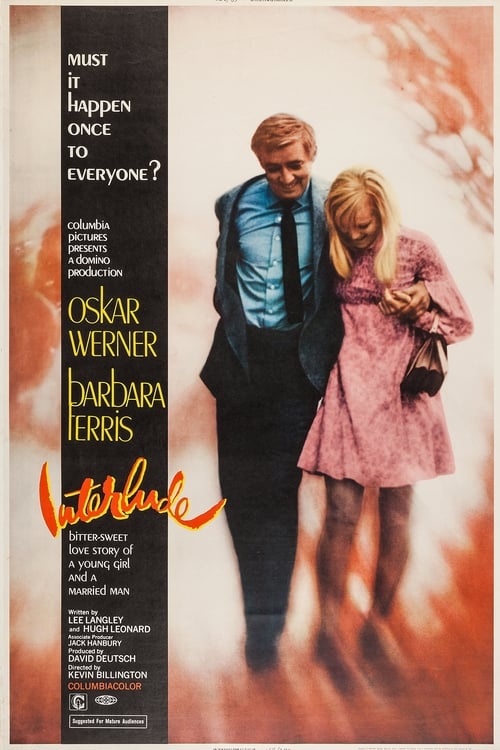
1968

1965
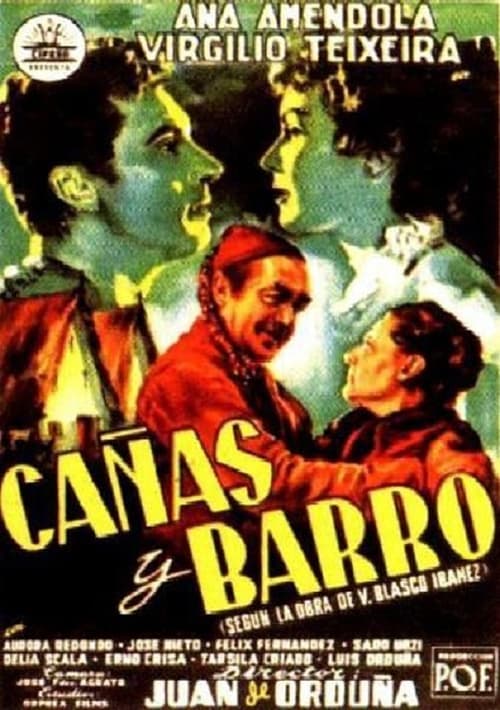
1954
No reviews yet. Be the first to share your thoughts on this movie!
Use the rating form above to leave a star rating and optional review.