
Incontri proibiti
1998
No user ratings available yet
Diversity score: 2.8 out of 10
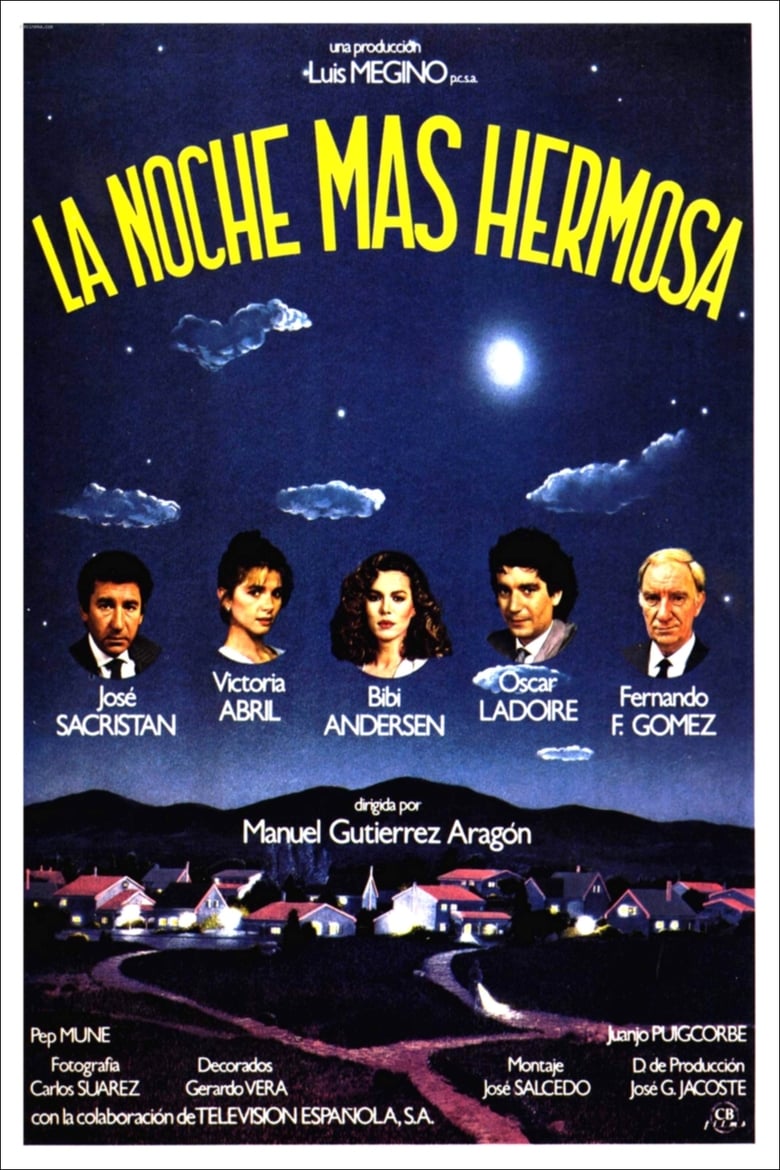
1984
Director
Manuel Gutiérrez Aragón
Runtime
90 minutes
Average Rating
No ratings yetSynopsis
Federico, an executive of national television, begins to suspect that his wife Elena, an actress who retired prematurely after marriage, is cheating him with another man. The symptoms are that Elena sighs, looks far into heaven and is aware of the exact time a comet passes. In other words, she expects her most beautiful night.
Overall Score
Limited
Category Breakdown
LGBTQ+ Representation
The film centers on heteronormative marital tension and infidelity. There is no evidence of non-cisnormative identities or narratives that critique traditional romantic frameworks.
Gender Representation
The narrative is driven by the male protagonist's obsession, positioning the female lead as an object of suspicion. While her internal states are explored, the power dynamics remain traditional.
Racial & Ethnic Diversity
Set in provincial Spain, the film reflects the demographic homogeneity of its era. The story focuses on localized psychological tensions rather than intersectional racial dynamics.
Religious & Cultural Diversity
The film operates within a traditional European framework, likely shaped by Western institutions. It prioritizes individual psychological complexity over systemic institutional or anti-capitalist critiques.
Disability Representation
There is no evidence of characters with visible or invisible disabilities driving the plot. The focus remains on psychological obsession rather than neurodivergent representation.
Strengths
Areas for Improvement
AI Analysis
Manuel Gutiérrez Aragón’s work utilizes surrealism to explore human desire and shifting social structures in Spain. However, this specific film functions primarily as a character study of individual obsession rather than a vehicle for demographic breadth. The narrative architecture is rooted in the interpersonal dynamics of the 1980s, focusing on a central marital conflict. While the director's pedigree suggests a sophisticated approach to social facades, the film lacks intersectional representation. Ultimately, the film prioritizes psychological realism and the deconstruction of desire over a diverse cast or inclusive social commentary.
1998

1984

2017

1974

1974

1972

2007
1968

2009

1974

2013

1965
No reviews yet. Be the first to share your thoughts on this movie!
Use the rating form above to leave a star rating and optional review.