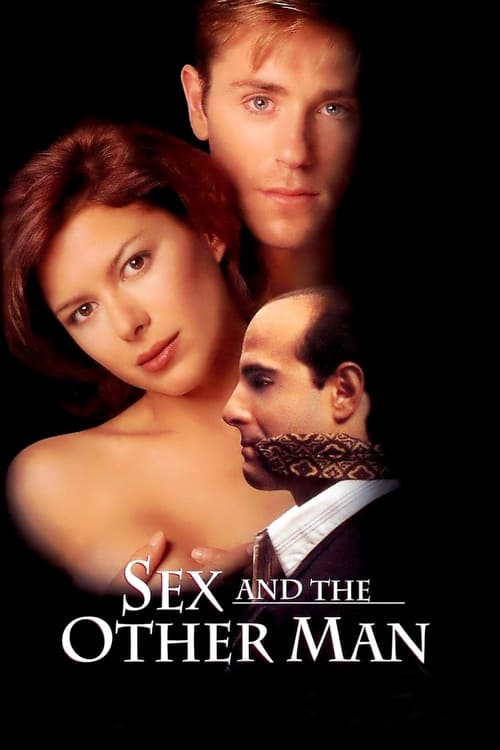
Sex and the Other Man
1995
No user ratings available yet
Diversity score: 3.8 out of 10
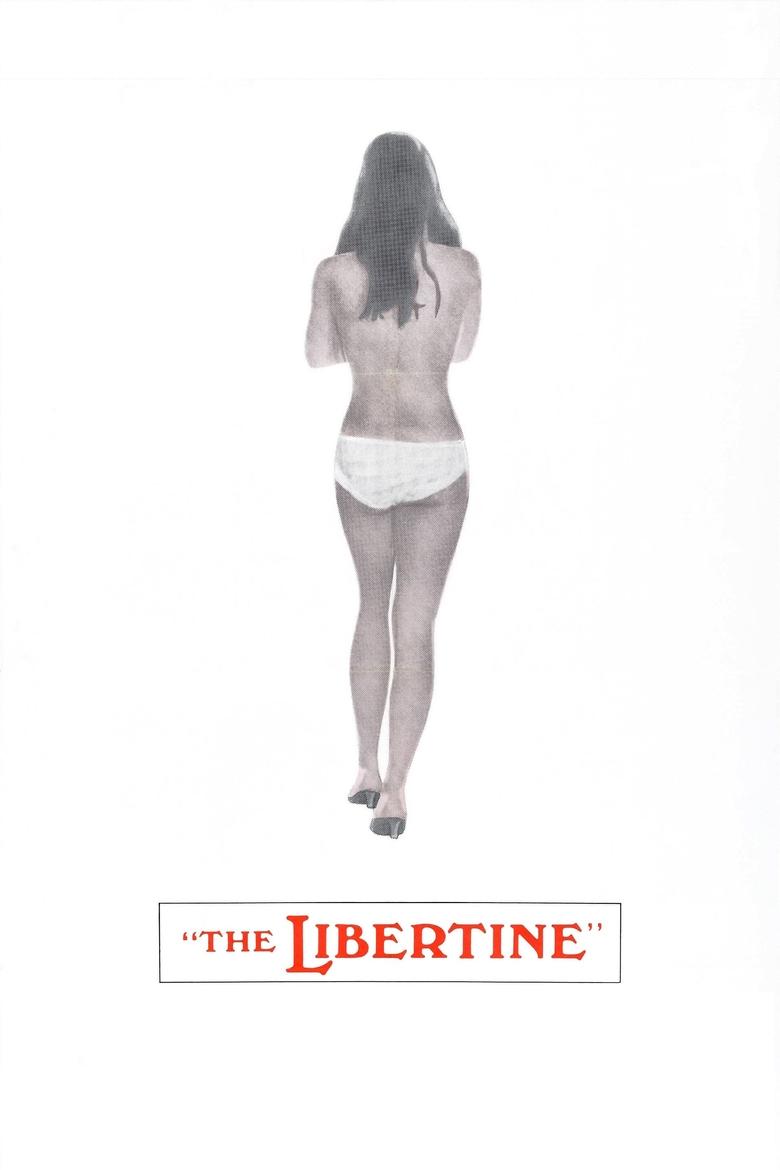
1968
RDirector
Pasquale Festa Campanile
Runtime
94 minutes
Average Rating
No ratings yetSynopsis
A sexy widow discovers her late husband had a secret apartment where he cheated on her. Now she decides to use the same apartment to explore her own sexuality.
Overall Score
Fair
Category Breakdown
LGBTQ+ Representation
The film focuses on heteronormative sexual exploration and marital infidelity. There is no evidence of same-sex intimacy or non-cisnormative identities within the narrative.
Gender Representation
The story subverts 17th-century domesticity by centering a protagonist who rejects patriarchal stability. Her pursuit of individual pleasure undermines traditional household hierarchies.
Racial & Ethnic Diversity
The casting is predominantly white, reflecting the homogeneous aristocratic circles of the Restoration era. No diverse ethnic identities are present in the primary cast.
Religious & Cultural Diversity
The film critiques Western institutions by framing hedonism as a valid rebellion against social decorum. It presents religious authority as an obstacle to personal liberation.
Disability Representation
There is no significant evidence regarding the portrayal of physical or neurodivergent disabilities in this work.
Strengths
Areas for Improvement
AI Analysis
The Libertine is a period piece that finds its strength in thematic subversion rather than demographic variety. It effectively deconstructs the moral and gendered hierarchies of its era by celebrating individualistic hedonism over social obligation. However, the film is strictly bound by the historical homogeneity of its setting. The lack of racial and LGBTQ+ representation keeps the social scope narrow, focusing almost exclusively on the white, heteronormative aristocracy of the 17th century. Ultimately, the film serves as a critique of institutional authority and traditional domesticity, even if it does so within a very limited demographic framework.
1995

1968

1965
1972

1970
1984
No reviews yet. Be the first to share your thoughts on this movie!
Use the rating form above to leave a star rating and optional review.