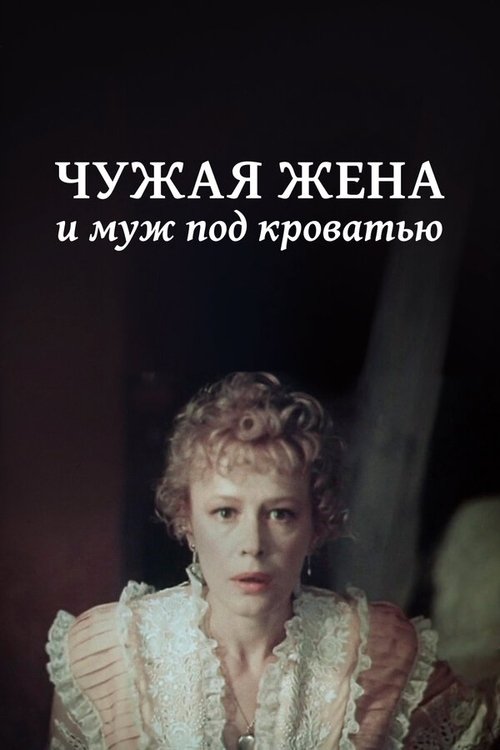
The Ugly Story
1966
No user ratings available yet
Representation score: 3.7 out of 10
Representation Score
Limited
1984
Director
Vitaliy Melnikov
Runtime
67 minutes
Average Rating
No ratings yetNew Showbiz Analysis
This film is a psychological character study set in 19th-century Russia. It emphasizes classical literary adaptation and human vulnerability over modern social commentary or diverse representation. While the film lacks demographic diversity, it highlights women's intellectual superiority through their strategic thinking. Ultimately, it remains a period piece focused on the cultural and spiritual nuances of its source material.
Category Breakdown
The film follows traditional assumptions about straight relationships. The central conflict revolves around a married couple dealing with suspicions of infidelity.
The movie challenges the idea of the dominant male lead. Women are shown as having superior intelligence and resourcefulness compared to the male protagonist.
The production reflects a culturally uniform setting. It focuses on the specific social and cultural elements of 19th-century Russian literature.
The story delves into the psychological and spiritual themes of Dostoevsky's work. It examines the complexities of human deception and moral ambiguity.
There is no indication of physical or neurodivergent disabilities being included in this production.
Present on Screen
Limited or Absent
Official Synopsis
Based on the early stories of Fyodor Dostoevsky. A jealous husband is trying to track down his wife, whom he suspects of cheating. He is persistent and purposeful — it seems that a little more, and the cheat will be brought to light! But men will never surpass women's cunning and resourcefulness.
1966
1969
1984
1980

2009
1994
2002
1994
No reviews yet. Be the first to share your thoughts on this movie!
Use the rating form above to leave a star rating and optional review.