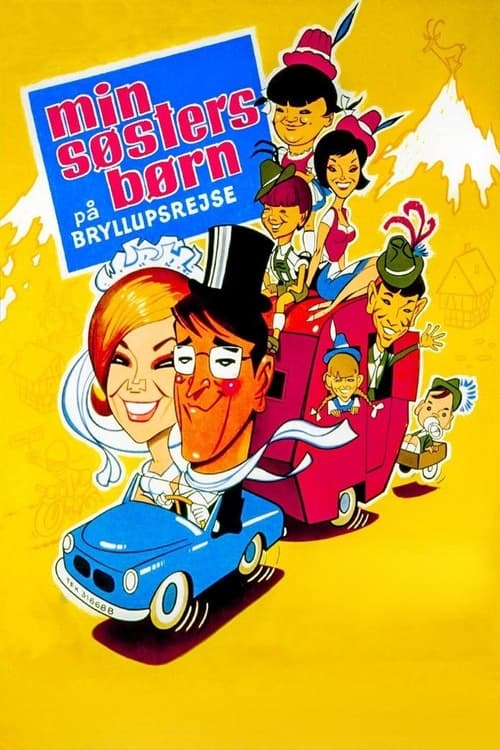
Six Kids and the Honeymooners
1967
No user ratings available yet
Diversity score: 2.6 out of 10
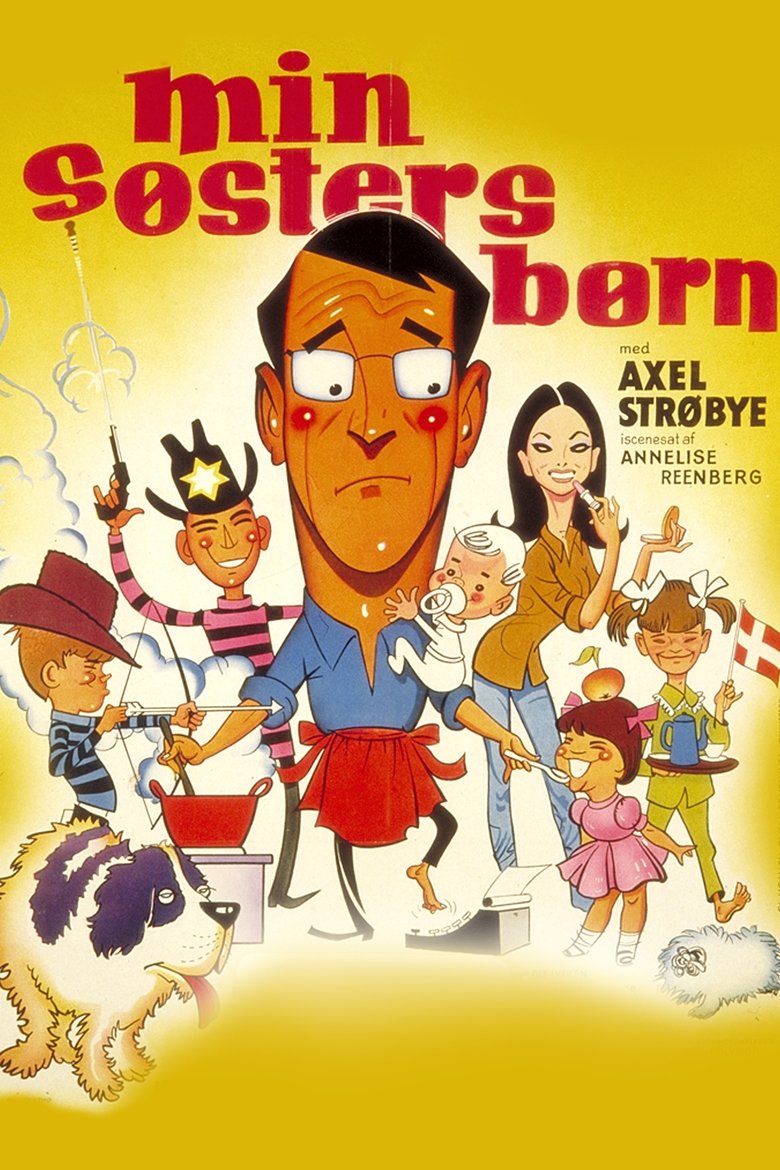
1966
Director
Annelise Reenberg
Runtime
114 minutes
Average Rating
No ratings yetSynopsis
Erik Lund is a child psychologist and defend a doctoral thesis on the subject. His knowledge is at the very theoretical level, and he will be seriously trouble when he for a time has to babysit his sister's six children ranging in age from baby to teenager. Fortunately, the neighbor cute daughter, Lisbeth has a more practical take on things.
Overall Score
Limited
Category Breakdown
LGBTQ+ Representation
The film adheres to conventional social structures of 1966. There is no evidence of LGBTQ+ characters or narratives that critique heteronormativity.
Gender Representation
The story creates a dichotomy between male intellect and female competence. While the male protagonist struggles with childcare, the dynamic remains within traditional gendered roles.
Racial & Ethnic Diversity
The film likely reflects a homogeneous demographic consistent with mid-1960s Danish cinema. There is no indication of a multi-ethnic cast.
Religious & Cultural Diversity
The narrative celebrates traditional kinship and the preservation of the family unit. It lacks anti-institutional or secularist themes, focusing instead on domesticity.
Disability Representation
There is no information regarding characters with physical, sensory, or neurodivergent disabilities.
Strengths
Areas for Improvement
AI Analysis
Six Kids and Their Uncle is a mid-century domestic comedy that prioritizes traditional family cohesion. It operates within the conservative social and demographic parameters of its era, offering little in the way of systemic subversion. The film provides a minor subversion of male competence by showing a child psychologist's inability to manage domestic chaos. However, this is balanced by a reliance on traditional gendered archetypes, such as the practical female neighbor. Ultimately, the work functions as a standard family comedy, lacking racial, cultural, or LGBTQ+ diversity. It reinforces established social frameworks rather than challenging them.
1967
1961
1968
2012
1960
1968
1963

2012
1970

1953
1990
1961
No reviews yet. Be the first to share your thoughts on this movie!
Use the rating form above to leave a star rating and optional review.