
Joy of Sex
1984
No user ratings available yet
Representation score: 4.3 out of 10
Representation Score
Limited
1989
Director
Jacek Bromski
Runtime
97 minutes
Average Rating
No ratings yetNew Showbiz Analysis
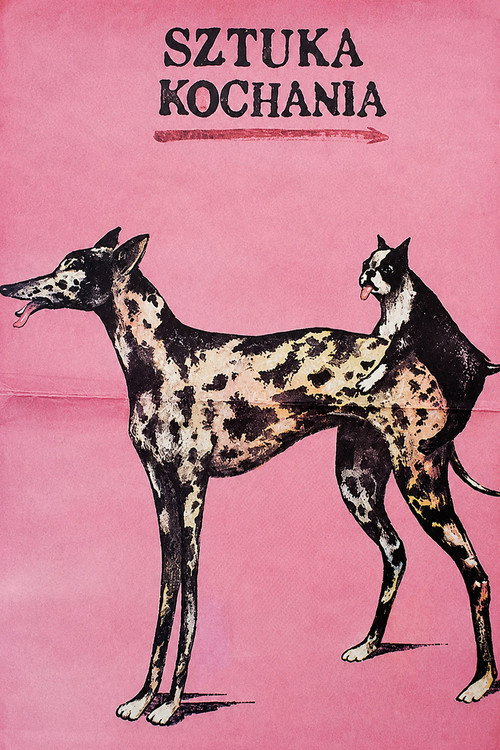
Art of Loving operates as a typical romantic comedy of its time, focusing on the internal life of a young woman facing marriage. While it highlights the female lead's intellectual pursuit of self-knowledge, the film remains grounded in the demographic and social norms of late-era Polish cinema. The film lacks complexity in representing diverse identities, offering little in the way of multi-ethnic or LGBTQ+ representation. It prioritizes individual ability to act within a traditional framework without addressing broader societal hierarchies or multi-ethnic perspectives.
Category Breakdown
The film does not include any explicit queer characters or narratives. The story focuses on traditional romantic uncertainty and relationship dynamics.
Anna takes an active role in questioning her romantic choices, avoiding the passive bride stereotype. However, the story remains centered on traditional romantic compatibility.
The production reflects the ethnic homogeneity of 1989 Poland. There is no evidence of multi-ethnic casting or intentional racial integration within the setting.
The narrative emphasizes secularism by prioritizing individual psychological needs over religious dictates. It functions as a character study of modern intimacy rather than a systemic critique.
There are no documented depictions of characters with physical or neurodivergent disabilities in the available narrative data.
Present on Screen
Limited or Absent
Official Synopsis
Prior to her wedding a nineteen years old Anna can't stop wondering whether she made the right choice? So she decides to seek the advice of a well-known sexologist...
1984
2006
2001

1990
2001

2022
1990

1998
No reviews yet. Be the first to share your thoughts on this movie!
Use the rating form above to leave a star rating and optional review.