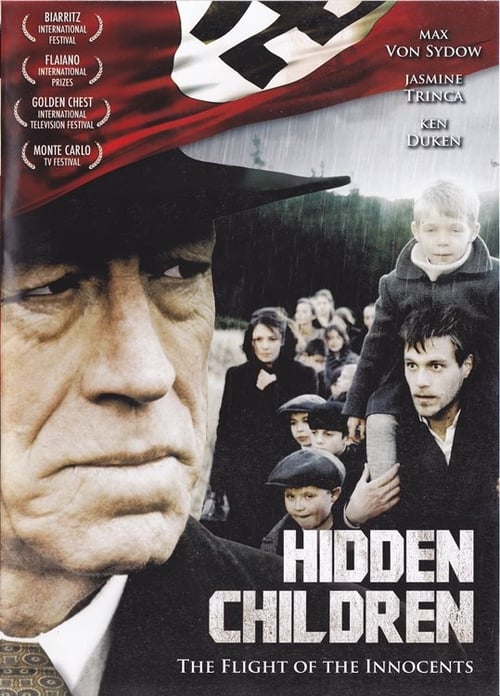
Hidden Children
2004
No user ratings available yet
Representation score: 6.0 out of 10
Representation Score
Fair
2019
Director
Francesco Miccichè, Marco Spagnoli
Runtime
0 minutes
Average Rating
No ratings yetNew Showbiz Analysis
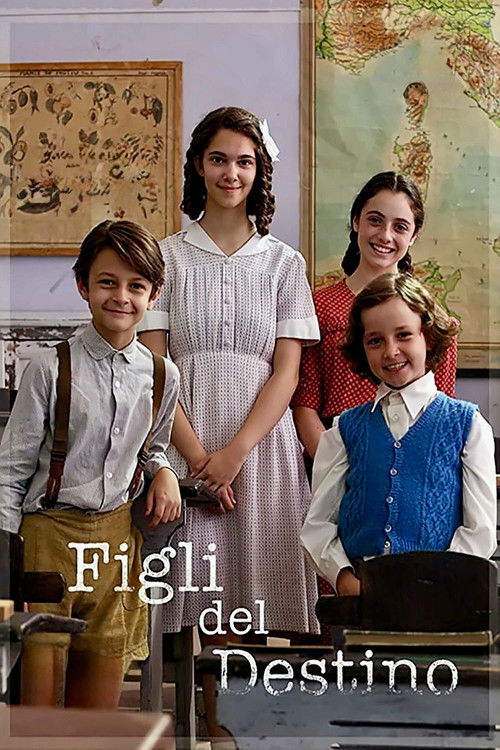
Forbidden School serves as a historical reclamation project that uses a hybrid documentary-drama style to center underrepresented voices. By blending dramatization with real-life interviews, the film provides depth to the lived experiences of Jewish children facing fascist oppression. The work succeeds most prominently in its ethnic and cultural representation. It actively disrupts traditional nationalist histories by focusing on systemic persecution and the vulnerability of minority identities under state-sponsored violence. However, the film's narrow historical focus on religious and ethnic survival leaves little room for other forms of identity representation, such as LGBTQ+ or disability-focused narratives.
Category Breakdown
The film focuses on ethnic and religious persecution rather than LGBTQ+ identities. There is no explicit evidence of queer representation within this historical survival narrative.
By centering on children, the film disrupts traditional masculine-led war clichés. It emphasizes the resilience and ability to act of youth rather than adult-centric power hierarchies.
The narrative provides high intentionality by centering Jewish children as protagonists. This approach challenges the homogeneity of Italian history by highlighting a underrepresented group.
The film critiques fascist institutional corruption and the failure of state protections. It prioritizes the perspective of the 'other' over the glorification of nationalist structures.
There is no specific evidence regarding the portrayal of physical or neurodivergent disabilities in this work.
Present on Screen
Limited or Absent
Official Synopsis
Mixing dramatizations and real-life interviews, this film tells the story of four Jewish children who endured the brutal anti-Semitism of fascist Italy.
2004

1970
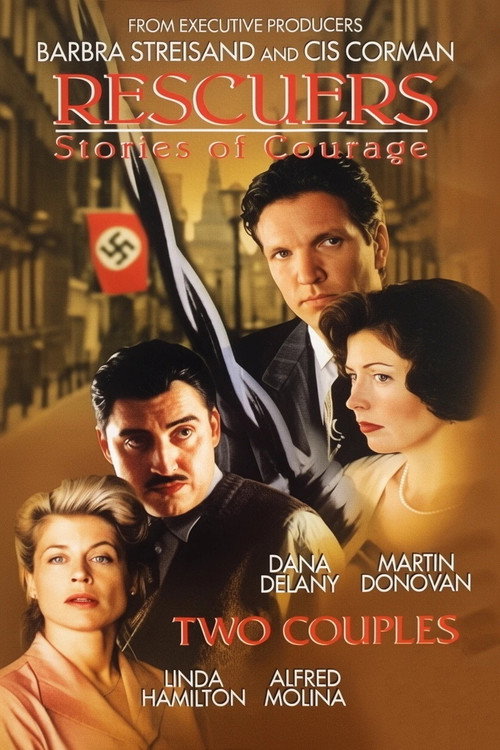
1998
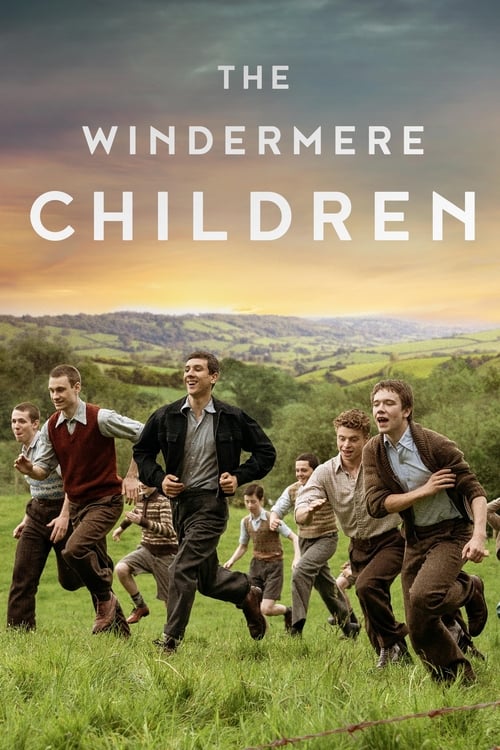
2020

2005
1959

2016

2021
No reviews yet. Be the first to share your thoughts on this movie!
Use the rating form above to leave a star rating and optional review.