
Welcome Back Mr. President
2019
No user ratings available yet
Diversity score: 3.1 out of 10
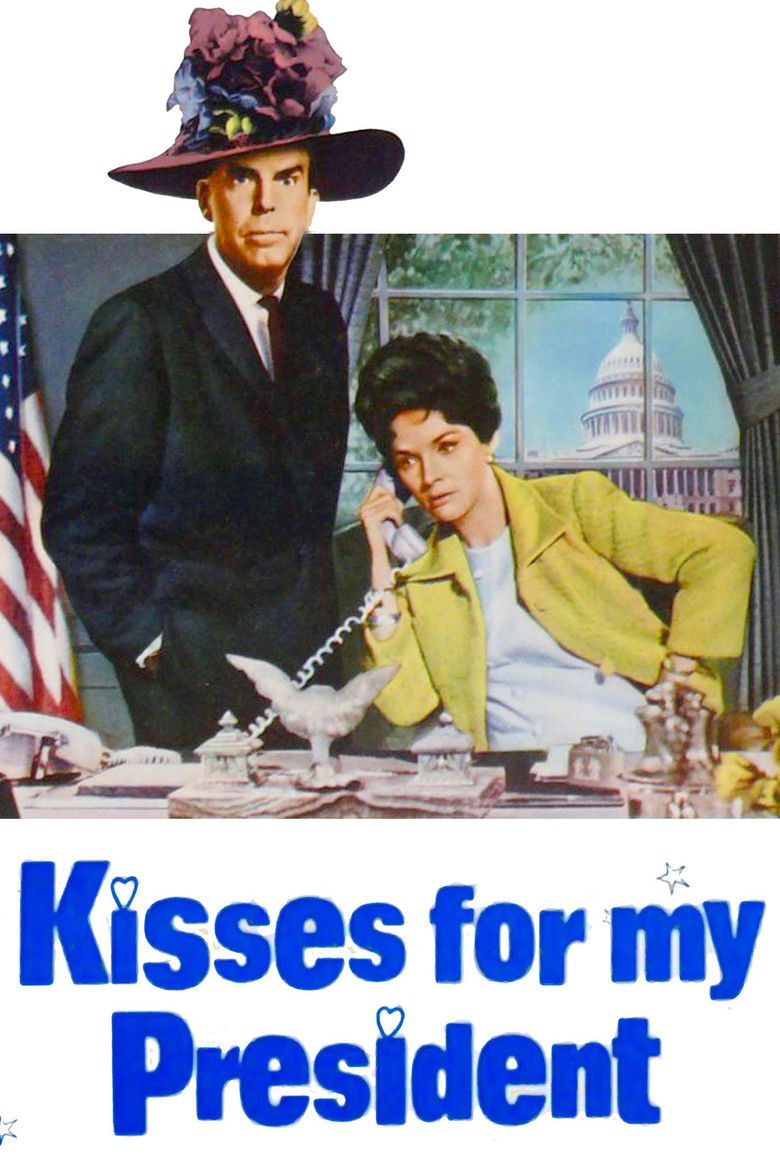
1964
Not RatedDirector
Curtis Bernhardt
Runtime
113 minutes
Average Rating
No ratings yetSynopsis
A hapless husband takes a back seat to his wife, the first female president of the United States.
Overall Score
Fair
Category Breakdown
LGBTQ+ Representation
The film operates within a strictly heteronormative framework. There is no evidence of non-cisnormative gender identities or critiques of traditional romantic structures.
Gender Representation
The narrative disrupts traditional hierarchies by centering on a female President. This subverts patriarchal norms by granting the female lead high levels of agency and intellectual authority.
Racial & Ethnic Diversity
The cast is predominantly white, reflecting the homogeneous social circles of 1960s Washington, D.C. There is no evidence of significant racial blending or characters of color in positions of agency.
Religious & Cultural Diversity
The film explores the friction between personal morality and the rigid expectations of state institutions. It focuses on Western institutional decorum and the responsibilities of political figures.
Disability Representation
There is no discernible evidence of characters with visible or invisible disabilities being utilized as plot devices or central figures.
Strengths
Areas for Improvement
AI Analysis
Kisses for My President serves as a transitional comedy that attempts to deconstruct gendered power dynamics. By placing a woman in the highest political office, it challenges the era's standard tropes of male-dominated leadership and subverts the traditional patriarchal household. However, this progressive gender narrative is limited by a lack of intersectional depth. The film remains firmly rooted in the racial and cultural homogeneity of the 1960s, offering little representation for people of color or LGBTQ+ individuals. Ultimately, the film is a moderate disruption of social norms. It succeeds in elevating female agency but fails to move beyond the traditional Western institutional values and social constraints of its time.
2019

2022

1966
1975
1992

1978

2013
1943

1960
1968

1962

1968
No reviews yet. Be the first to share your thoughts on this movie!
Use the rating form above to leave a star rating and optional review.