
The Smart Aleck
1966
No user ratings available yet
Diversity score: 3.1 out of 10
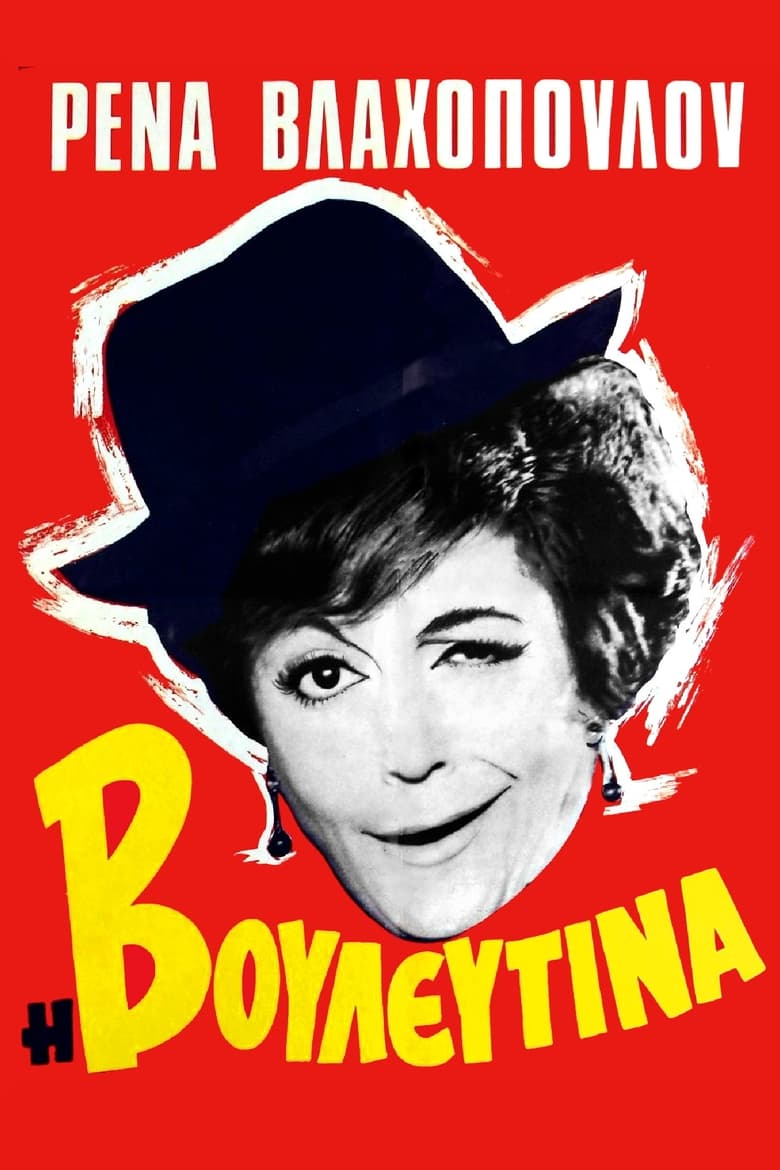
1966
Director
Kostas Karagiannis
Runtime
95 minutes
Average Rating
No ratings yetSynopsis
Rena Varlamou (Rena Vlahopoulou), a female queen and a captain, takes up the election campaign of her fiancé Pericles Arapis (Stavros Xenides), a tavern who has founded a party and wants to become a member. He tries to land him in reality, but he does not, and when Pericles is not elected, he takes off. The reason is the sudden death of the uncle of Iakovos Menexes, a political career, who had re-elected a Member on their island. Menexes had included it on his ballot, as a runner-up, and Rena took his place, becoming the first female MP and struggling to make some important works in her place.
Overall Score
Limited
Category Breakdown
LGBTQ+ Representation
The film lacks any depiction of non-heteronormative identities. The central romantic plot focuses on a traditional engagement between the protagonist and her fiancé.
Gender Representation
Rena Varlamou disrupts traditional hierarchies by becoming a Member of Parliament. The story highlights her agency and intellect as she navigates a male-dominated political sphere.
Racial & Ethnic Diversity
The production reflects the homogeneous social landscape of 1960s Greece. There is no evidence of a multi-ethnic or diverse cast within the narrative.
Religious & Cultural Diversity
The film offers a skeptical, comedic look at political institutions and formal systems. However, it remains anchored in traditional social frameworks regarding courtship and marriage.
Disability Representation
There is no information regarding the inclusion of characters with physical or neurodivergent disabilities in this production.
Strengths
Areas for Improvement
AI Analysis
The film stands out for its era by centering a female protagonist in a position of systemic power. Rena Varlamou’s ascent to Parliament provides a meaningful subversion of mid-century gender norms, prioritizing her competence over domesticity. However, the film lacks intersectional breadth. It operates within a localized Greek context that offers little representation of racial, ethnic, or LGBTQ+ diversity, focusing instead on a traditional social structure. Ultimately, while the narrative challenges gendered political leadership, it remains a product of its time, reflecting the homogeneous and conventional social values of 1960s Mediterranean life.
1966
1967
1966
1968

1969

1963

1976
1964

1968
1973

1959

1969
No reviews yet. Be the first to share your thoughts on this movie!
Use the rating form above to leave a star rating and optional review.