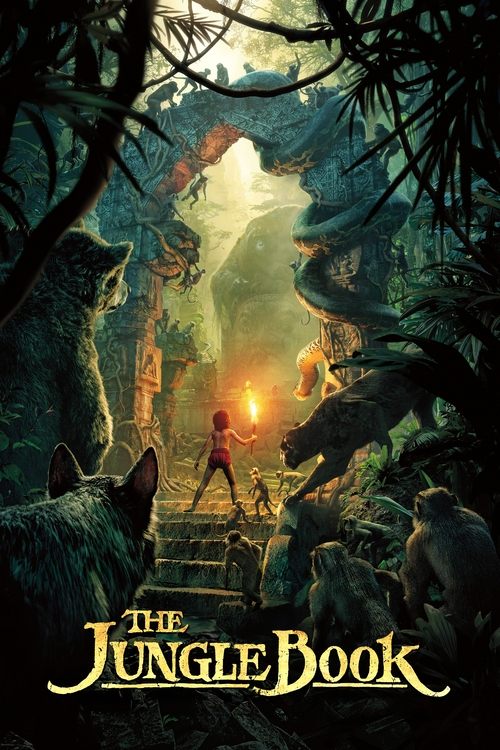
The Jungle Book
2016
No user ratings available yet
Representation score: 2.5 out of 10
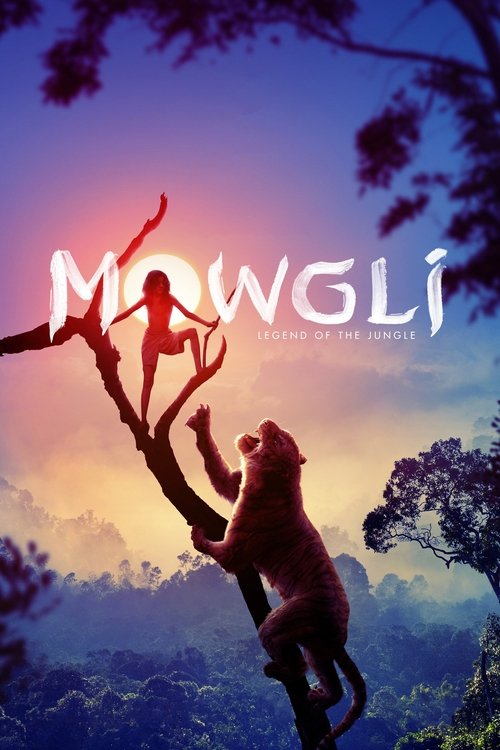
Representation Score
Good
2018
PG-13Director
Andy Serkis
Runtime
105 minutes
Average Rating
No ratings yetNew Showbiz Analysis
This adaptation succeeds by grounding the Kipling narrative in a localized, authentic South Asian context. By prioritizing racial authenticity and casting, it moves away from the colonial-era lens often found in previous versions of this story. However, the film remains limited by its narrow social scope. It does not engage with LGBTQ+ narratives or disability issues, nor does it offer a meaningful critique of systemic social structures. The focus remains strictly on the primal tension between nature and civilization, leaving modern social hierarchies largely unexamined.
Category Breakdown
The film does not include any LGBTQ+ characters or non-cisgender identities. Relationships are centered around family and pack bonds within traditional social structures.
Raksha showcases strong maternal ability to act and emotional intelligence. The film avoids rigid patriarchal structures by highlighting the protective role of the female wolf.
A predominantly South Asian cast, led by Neil Sethi, breaks away from Western-centric casting norms. The Indian setting feels authentic and avoids common exoticized stereotypes.
The story follows natural laws rather than organized religion. Human civilization is shown as a distant, potentially disruptive force to the jungle's instinctual order.
There is no explicit focus on neurodivergence or physical disabilities. Physical trauma is treated as a universal element of survival rather than a specific exploration of identity.
Present on Screen
Limited or Absent
Official Synopsis
A human child raised by wolves, must face off against a menacing tiger named Shere Khan, as well as his own origins.
2016

2005
1994
1971

2018
1942
2004
1985
No reviews yet. Be the first to share your thoughts on this movie!
Use the rating form above to leave a star rating and optional review.