
My Wild Irish Rose
1947
No user ratings available yet
Diversity score: 2.9 out of 10
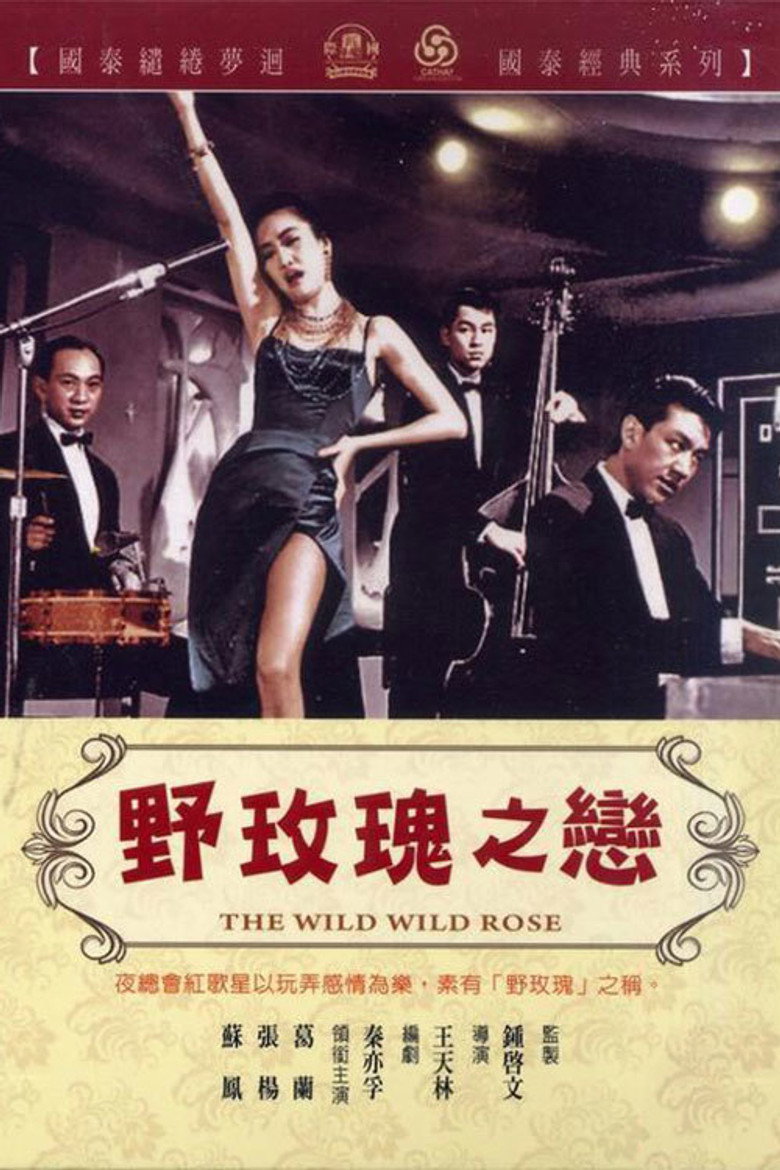
1960
Director
Wong Tin-Lam
Runtime
128 minutes
Average Rating
No ratings yetSynopsis
Grace Chang delivers an eye-opening performance as a lusty nightclub singer climbing the social ladder in seedy Wanchai. Borrowing story and song elements from Georges Bizet’s CARMEN, this Wong Tin-Lam directed musical has flair and polish to rival Hollywood, and a superstar leading lady that would any film industry would have a tough time matching! A key film from the celebrated Cathay Film Studios.
Overall Score
Fair
Category Breakdown
LGBTQ+ Representation
The film follows a narrative framework inspired by Carmen, focusing on heteronormative passion. While the protagonist displays sexual agency, there is no explicit evidence of queer identities or non-cisnormative subtext.
Gender Representation
Grace Chang’s character disrupts traditional hierarchies by portraying a woman with significant ambition. She navigates social structures through intellect and performative power rather than remaining a submissive figure.
Racial & Ethnic Diversity
The film features a Cantonese-speaking cast and local Hong Kong settings. It avoids the whitewashing seen in Western imports but lacks evidence of a multi-ethnic or intersectional cast.
Religious & Cultural Diversity
The story explores subjective morality and class structures through a seedy nightclub setting. It prioritizes the complexities of passion over rigid social or religious codes.
Disability Representation
There is no mention of characters with visible or invisible disabilities within the narrative.
Strengths
Areas for Improvement
AI Analysis
The film stands out for its subversion of female passivity. By centering on a lusty nightclub singer climbing the social ladder, the narrative grants the protagonist a level of agency and ambition that challenges the domestic expectations of the era. However, the film remains rooted in traditional romantic tropes and heteronormative structures. While it critiques class through its urban setting, it does not venture into queer-coded territory or multi-ethnic storytelling. Ultimately, it is a sophisticated character study that uses a Western musical framework to explore local social maneuvering.
1947
1966
1969

1964
1958
1944
1948
1980
1935
1950
1946
1933
No reviews yet. Be the first to share your thoughts on this movie!
Use the rating form above to leave a star rating and optional review.