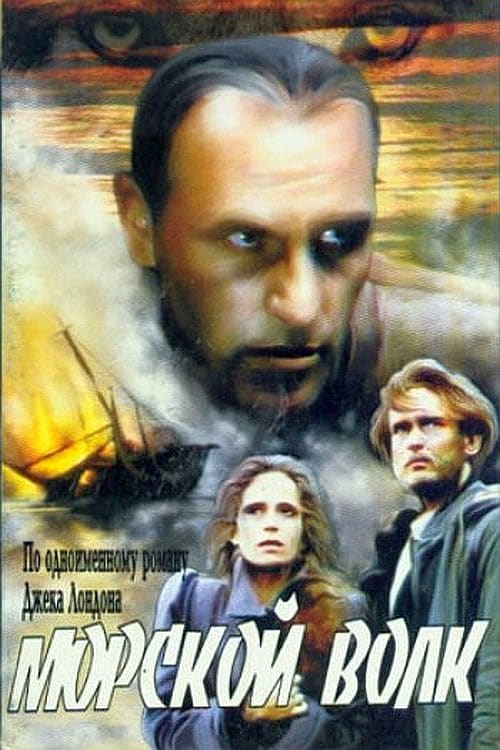
Sea Wolf
1991
No user ratings available yet
Representation score: 1.1 out of 10
Representation Score
Fair
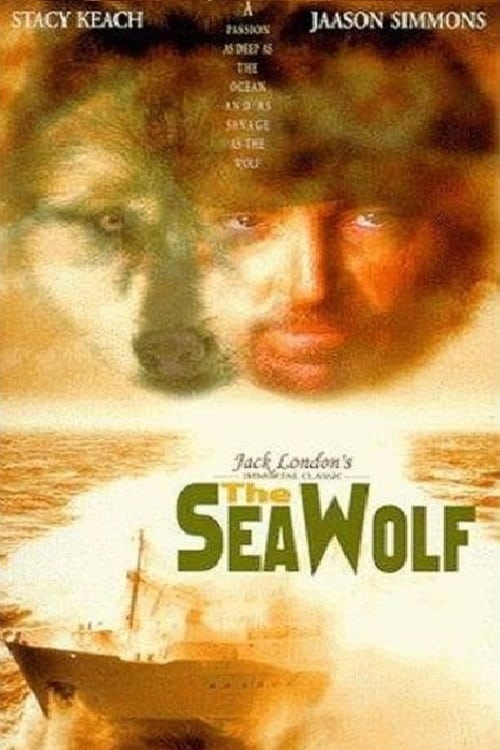
1997
RDirector
Gary T. McDonald
Runtime
94 minutes
Average Rating
No ratings yetNew Showbiz Analysis
The 1997 adaptation of Jack London’s novel centers on a brutal power dynamic between two men. The narrative explicitly questions traditional authority by framing the captain’s dominance as oppressive and ultimately self-destructive. This thematic focus allows the film to critique unchecked masculine power while relying on conventional gender roles. The cast is predominantly white, with limited depth for non-white characters. The film offers little in the way of modern diversity markers, such as LGBTQ+ or disability representation. Its primary value lies in its thematic exploration of class, power, and moral resilience within a harsh, survivalist setting. While the story lacks inclusive casting, it uses its existing dynamics to challenge authoritarian structures. The result is a film that prioritizes thematic depth over broad representation, reflecting the source material’s focus on individual struggle and survival.
Category Breakdown
The film contains no LGBTQ+ characters or same-sex romance. The narrative focuses entirely on the power struggle between the male captain and the rescued protagonist.
Men drive the plot, with Captain Wolf Larsen serving as the central authority figure. The female character, Maria, provides the moral counterweight but remains secondary to the male conflict.
The cast includes Mako and Alejandra Cruz, adding ethnic variety to the predominantly white crew. However, these characters lack significant narrative depth compared to the central white leads.
The film critiques unchecked masculine power and Darwinian survivalism. Captain Larsen mocks religious concepts, framing traditional authority as oppressive and rooted in brute force.
No characters with disabilities appear. Physical strength is treated as a primary asset, and injuries are viewed strictly as liabilities in the harsh maritime environment.
Present on Screen
Limited or Absent
Official Synopsis
Thrown overboard while conducting an environmental investigation, Humphrey Van Weyden is as good as dead. But before he can meet his watery doom, he is plucked up by the crew of the freighter "The Ghost". The ship's formidable captain, Wolf Larsen, sees a challenge in Humphrey; to turn this over educated idealist into a man of action like himself. Larsen succeeds in changing Humphrey's life, but in the process sacrifices himself to the same rage and instability that makes him such a powerful figure. In a gripping final confrontation, Humphrey must stop Wolf from destroying everything around him as he battles his own mortality. Based on the classic novel by Jack London.
1991
1949
1951
1956
1975
1960

1993
1937
No reviews yet. Be the first to share your thoughts on this movie!
Use the rating form above to leave a star rating and optional review.