Stigma
1980
No user ratings available yet
Representation score: 2.2 out of 10
Representation Score
Fair
1974
Director
José Ramón Larraz
Runtime
75 minutes
Average Rating
No ratings yetNew Showbiz Analysis
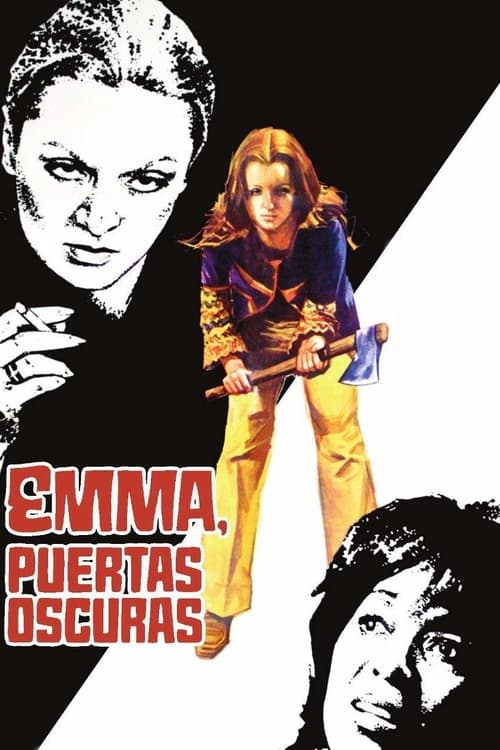
Emma, Dark Doors is a period-specific psychological thriller that prioritizes individual trauma over systemic or characters who reflect more than one aspect of diversity. The film succeeds in centering women's ability to drive the story and exploring the complexities of cognitive impairment following a traumatic injury. However, the film is limited by the demographic constraints of its era. It lacks racial diversity and queer narratives, focusing instead on a homogeneous European social environment. Ultimately, the work functions as an intimate character study of psychological breakdown. It lacks the ideological subversion or demographic breadth necessary for a higher progressive score.
Category Breakdown
The film does not include any LGBTQ+ identities or queer narratives. It follows the traditional focus on straight relationships common in 1970s European horror.
The story centers on the psychological ability to act and sexual obsession of the female characters. It challenges the typical caregiver roles through the volatile, destructive relationship between Emma and Silvia.
The production features a primarily white, European cast. There is no evidence of racial blending or the inclusion of non-Anglo-Saxon characters.
The narrative explores madness and isolation through a lens of psychiatric injury. It functions as a character study rather than a critique of Western institutions.
Emma’s traumatic brain injury and resulting neurodivergence drive the plot. While potentially leaning into familiar clichés, her mental state remains the central engine of tension.
Present on Screen
Limited or Absent
Official Synopsis
Emma is a teenager when she is the victim of a terrible road accident in London, and needs psychiatric care after she suffers from resulting brain injury. Her mother, Silvia, confines her in the house, and Emma's personality becomes aggressive, leading to a regrettable series of violent deaths.
1980
1965

2016

1972
1987
1986
1980

2005
No reviews yet. Be the first to share your thoughts on this movie!
Use the rating form above to leave a star rating and optional review.