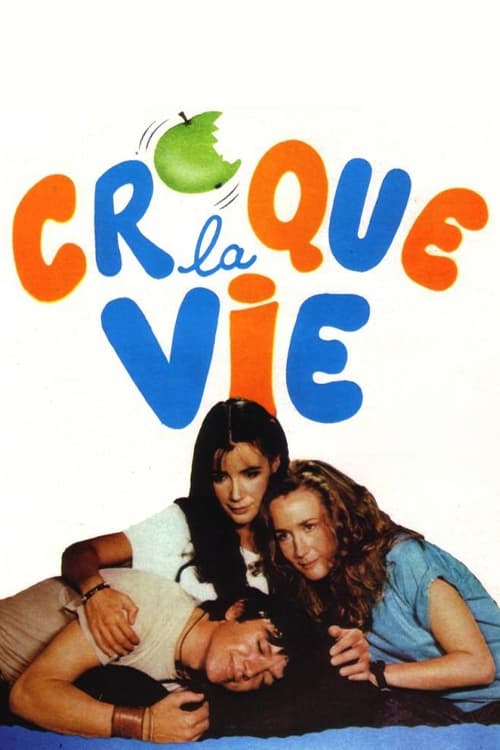
Croque la vie
1981
No user ratings available yet
Representation score: 5.3 out of 10

Representation Score
Fair
1974
Director
Ettore Scola
Runtime
125 minutes
Average Rating
No ratings yetNew Showbiz Analysis
Ettore Scola’s work provides a sophisticated deconstruction of post-war Italian society. While the film lacks diversity in terms of LGBTQ+ and disability representation, it excels in its cultural critique of Western institutions and class structures. The narrative replaces wartime idealism with a postmodern look at capitalism and social instability. It avoids moralizing, instead using moral relativism to explore how shifting social fabrics impact individual lives. Ultimately, the film is a study of socioeconomic stratification. It prioritizes the internal evolution of its three male protagonists over a broad spectrum of diverse identities.
Category Breakdown
The film focuses on heterosexual relationships and does not include characters with non-binary gender identities or narratives that question heterosexuality through a queer perspective.
Female characters play important roles in the emotional development of male protagonists. However, the story primarily centers on male perspectives and disillusionment.
The story reflects the homogeneous demographics of post-war Rome, focusing on class-based identity rather than racial or ethnic diversity.
The film offers a critical view of bourgeois success and capitalist ambitions. It effectively portrays the breakdown of traditional family structures and Western institutions.
There is no meaningful representation of physical or neurodivergent disabilities. The focus remains on psychological and socioeconomic issues.
Present on Screen
Limited or Absent
Official Synopsis
Three partisans bound by a strong friendship return home after the war, but the clash with everyday reality puts a strain on their bond.
1981

1962

1967

1977

1985

1946

1949

1974
No reviews yet. Be the first to share your thoughts on this movie!
Use the rating form above to leave a star rating and optional review.