Identity Card
2010
No user ratings available yet
Representation score: 6.5 out of 10
Representation Score
Fair
1969
Director
Rezo Chkheidze
Runtime
100 minutes
Average Rating
No ratings yetNew Showbiz Analysis
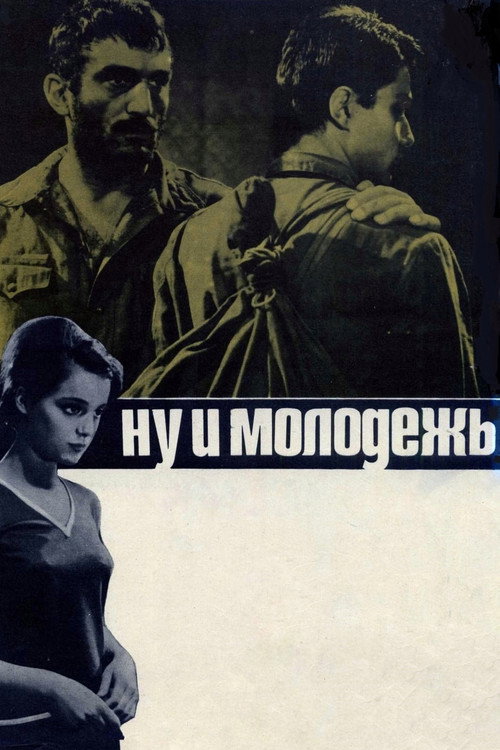
Rezo Chkheidze’s film focuses on the emotional journeys of individuals during World War II, emphasizing personal experiences over state-mandated archetypes. By centering on Georgian culture, the film provides a unique non-Western perspective. The narrative primarily revolves around traditional gender roles and a homogeneous cast, reflecting the social context of 1969. The film successfully dismantles idealized patriotic clichés, offering a more nuanced, humanistic view of wartime suffering.
Category Breakdown
The film does not show any non-binary gender identities or same-sex relationships. It focuses on male friendships and romantic ties affected by war.
Male characters take the lead in the story, transitioning into soldiers. Female characters appear but play minor roles, reinforcing traditional mid-century gender norms.
The film centers on Georgian identity in Tbilisi, offering a non-Western perspective. However, the cast is ethnically uniform.
The film challenges heroic wartime clichés by showing the suffering and shattered dreams of individuals. It highlights how institutions affect personal lives.
The film does not feature any characters with visible or invisible disabilities playing key roles in the narrative.
Present on Screen
Limited or Absent
Official Synopsis
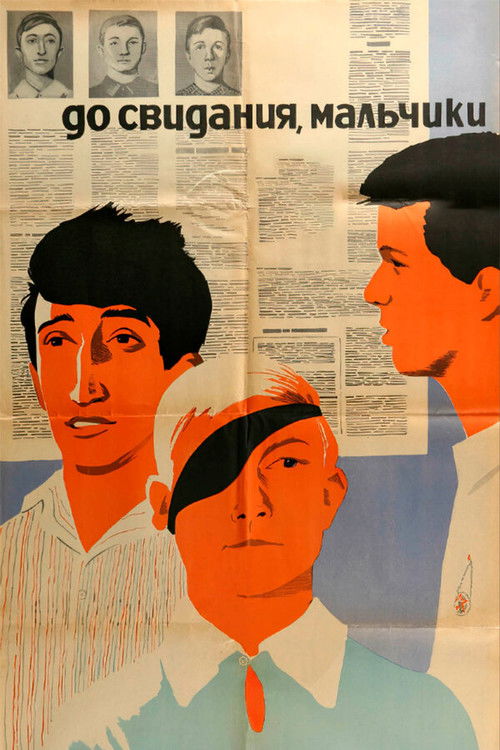
Film school desk akhladaprenil guys from Tbilisi in the early days of World War II soldier's overcoat to put on, temporarily put aside their dreams, loved ones and fire parted ways scattered. Thus began a new phase of their lives, gantsdebita and misery. Yesterday's long-suffering smile in front of the boys grow up into fighters.
2010
1974
1979
1972

2007
1999
1983
1966
No reviews yet. Be the first to share your thoughts on this movie!
Use the rating form above to leave a star rating and optional review.