A Sailor-Made Man
1921
No user ratings available yet
Diversity score: 2.1 out of 10
1927
NRDirector
Hal Roach, Hal Yates
Runtime
20 minutes
Average Rating
No ratings yetSynopsis
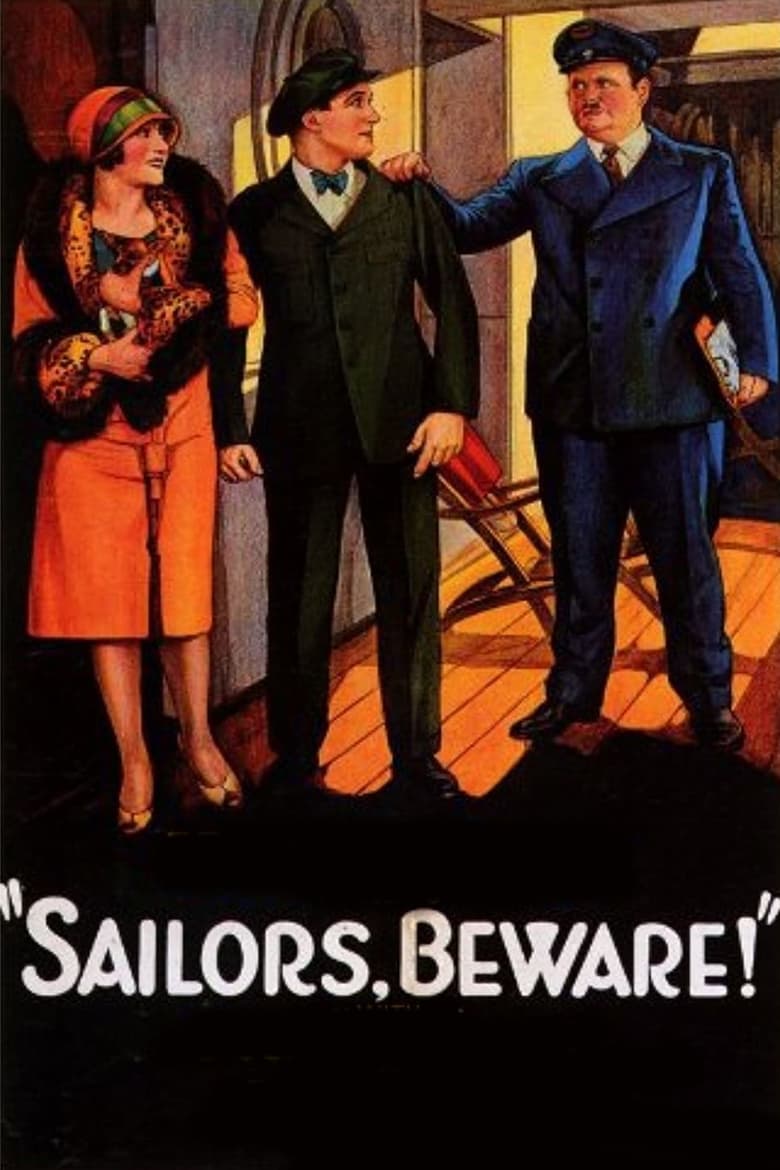
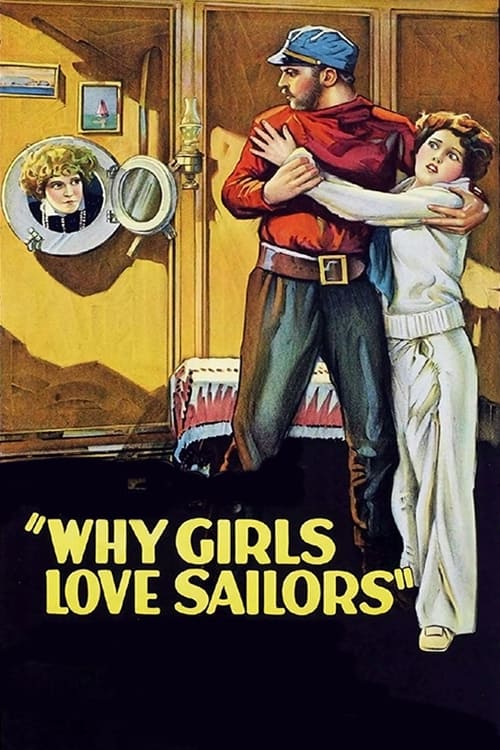
A con artist and a midget dressed as her infant son, are unmasked aboard a ship by a steward.
Overall Score
Limited
Category Breakdown
LGBTQ+ Representation
The film lacks any evidence of non-cisnormative gender identities. The narrative focuses on a maritime setting and a deceptive con artist, adhering to the social binaries of the 1920s.
Gender Representation
Gendered roles like mother and child are used as comedic ruses rather than tools for subversion. There is no indication of women challenging masculine authority or demonstrating intellectual superiority.
Racial & Ethnic Diversity
The production reflects the homogeneous casting norms of the 1920s. There is no evidence of a non-Anglo-Saxon majority cast or race-bent casting within the film.
Religious & Cultural Diversity
The story operates within the conventional moral frameworks of its era. It lacks any critique of Western institutions or portrayals of secularism and atheism.
Disability Representation
A performer with dwarfism is used as a central plot device to portray an infant. This utilizes physical difference for spectacle rather than providing the character with agency.
Strengths
Areas for Improvement
AI Analysis
Sailors, Beware! is a product of the 1920s silent comedy era, prioritizing physical slapstick over intersectional representation. The film relies on traditional comedic tropes that reinforce the social hierarchies of its time rather than challenging them. The narrative uses physical differences and gendered deception as tools for humor. While these elements drive the plot, they lack the nuance required to provide meaningful agency to the characters involved. Ultimately, the film adheres to the homogeneous casting and conventional moral frameworks prevalent in early 20th-century American cinema.
1921

1936
1929

1957
1939
1942

1914
1927
1914

1945

1918

1923
No reviews yet. Be the first to share your thoughts on this movie!
Use the rating form above to leave a star rating and optional review.