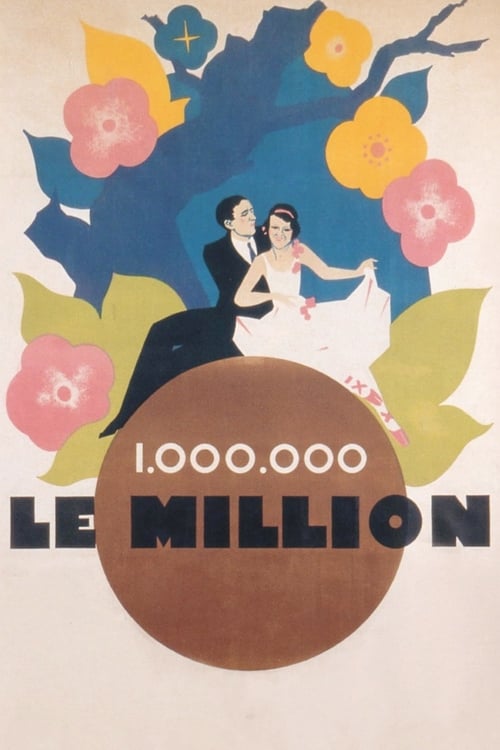
Le Million
1931
No user ratings available yet
Representation score: 1.8 out of 10
Representation Score
Limited
1950
ApprovedDirector
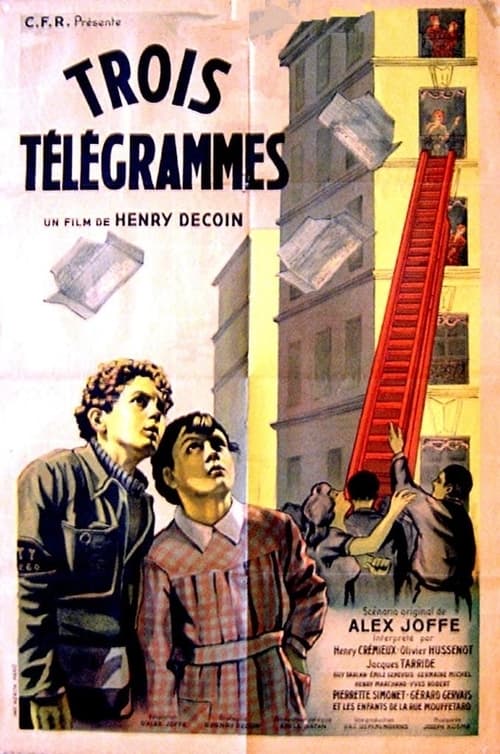
Henri Decoin
Runtime
97 minutes
Average Rating
No ratings yetNew Showbiz Analysis
Paris Incident (1950) is a whimsical, episodic comedy that prioritizes situational humor over exploring identity. The plot follows a frantic search for lost telegrams, using a variety of urban archetypes to drive the narrative forward. While the film briefly showcases Amelie’s intellectual independence, it mainly upholds the professional and social norms of 1950s France. The focus remains on class-based roles and individual responsibility within a traditional social structure. Ultimately, the film serves as a classic piece of storytelling reflecting its time period rather than challenging cultural or social hierarchies.
Category Breakdown
The film does not depict any non-straight relationships or same-sex intimacy. It follows the traditional social dynamics typical of mid-century European cinema.
Amelie subtly challenges the stereotype of a child by showing intellectual independence. However, the main narrative and professional roles remain focused on male characters.
The story centers around a localized urban French environment. There is no explicit mention of racial or ethnic diversity within the social groups shown.
The narrative highlights the importance of community and civic duty within a traditional Western framework. It celebrates the interdependence of a functional society.
The film does not provide any specific details or depictions related to physical or neurodivergent disabilities.
Present on Screen
Limited or Absent
Official Synopsis
Story is primarily based on the adventures of Antoine, a young telegraph messenger on his second night of work. He is given three telegrams, one of which is for the president of the Camber of Deputies. Excited, Antoine runs his bicycle into a truck and loses the telegrams. What follows is an amusing and agonizing search for the missing messages. He is assisted first by a glum, wise-beyond-her-years little girl, Amelie; an off-duty police superintendent, a schoolmaster, a cookie-tin maker and a fireman. The harmonica musical theme is played by Flore Falvey.
1931
1949
1950
1938
1953
1937
1951
1973
No reviews yet. Be the first to share your thoughts on this movie!
Use the rating form above to leave a star rating and optional review.