
Whirlpool
1970
No user ratings available yet
Representation score: 4.7 out of 10
Representation Score
Good
1968
Director
Albert Zugsmith
Runtime
95 minutes
Average Rating
No ratings yetNew Showbiz Analysis
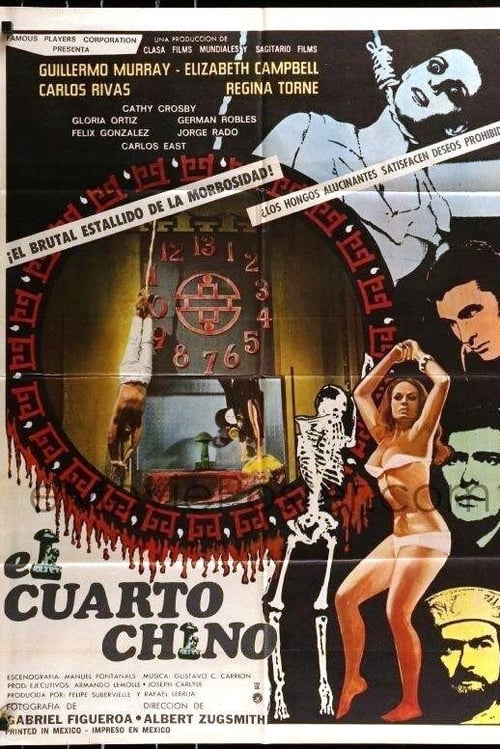
The Chinese Room functions as a counter-cultural film that challenges the sanitized morality of the late 1960s. By focusing on the edges of human experience, it moves away from traditional values toward a more relativistic perspective. While the film does not delve deeply into multi-layered issues, its narrative structure challenges the era's moral hierarchies. Ultimately, the film explores unconventional lifestyles and altered states of consciousness, setting it apart from typical studio productions of the time.
Category Breakdown
The film examines non-traditional lifestyles through its focus on drug subcultures. This theme serves as a stand-in for identities that challenged the era's assumptions about straight relationships.
The story potentially disrupts traditional gender roles by centering on an unorthodox doctor and an addict. It favors characters with complex psychologies over stable providers.
The film shifts the focus from Western settings to Acapulco, providing an international backdrop. This allows for a more diverse cast of characters and settings beyond Anglo-Saxon norms.
The film questions conventional morality by focusing on drug use and unconventional medical practices. It prioritizes personal experiences over institutional truths and traditional social orders.
The depiction of addiction serves as a study of altered mental and emotional states. It offers a glimpse into the cognitive changes experienced by the protagonist.
Present on Screen
Limited or Absent
Official Synopsis
An unorthodox doctor makes a house call to the Acapulco abode of a mushroom addict.
1970
1976
1980
1977

1969
1971

1967
1978
No reviews yet. Be the first to share your thoughts on this movie!
Use the rating form above to leave a star rating and optional review.