
Auntie Mame
1958
No user ratings available yet
Representation score: 3.1 out of 10
Representation Score
Good
1974
PGDirector
Gene Saks
Runtime
131 minutes
Average Rating
No ratings yetNew Showbiz Analysis
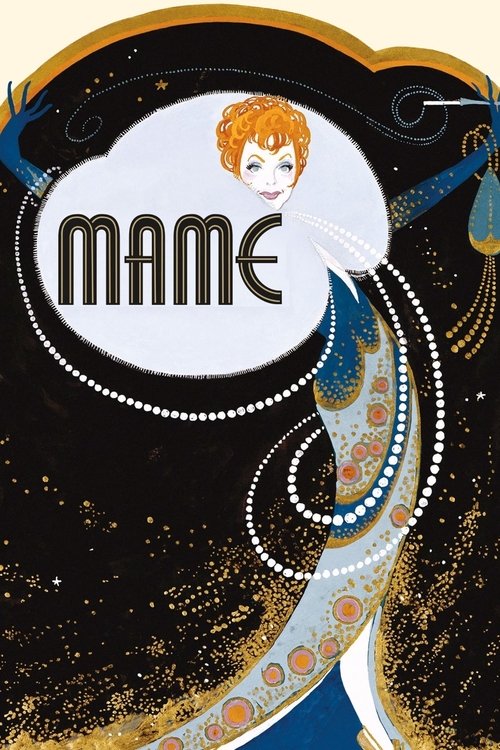
Mame (1974) highlights personal liberation while challenging traditional gender norms. However, it falls short in providing broader diversity. The film excels in showcasing a powerful female protagonist who defies domestic expectations, offering a strong counter-narrative to traditional patriarchal norms. Despite this, the film remains confined to a historically homogeneous setting. The lack of racial diversity and the absence of LGBTQ+ representation restrict the scope of its 'bohemian' rebellion to a narrower, white, and straight-centered framework. Overall, the film celebrates individual non-conformity and bohemian lifestyles, but it does not address a wider range of identities or disabilities.
Category Breakdown
The story centers around heterosexual relationships. Despite the bohemian social circles, there are no explicit queer identities or non-binary gender characters.
Mame Dennis is a strong female lead who prioritizes independence over traditional roles. She challenges patriarchal norms by outmaneuvering men in both social and economic contexts.
The cast primarily features white actors reflecting the early 20th-century New York demographic. There is a lack of diverse casting and non-white characters with significant roles.
The film promotes a bohemian lifestyle that rejects strict moral codes and traditional family structures. It emphasizes individual freedom over conventional social norms.
Characters are defined by their social status and personality traits rather than by neurodiversity or physical disabilities. There is no significant focus on these aspects of their lives.
Present on Screen
Limited or Absent
Official Synopsis
The madcap life of eccentric Mame Dennis and her bohemian, intellectual arty clique is disrupted when her deceased brother's 10-year-old son Patrick is entrusted to her care. Rather than bow to convention, Mame introduces the boy to her free-wheeling lifestyle, instilling in him her favorite credo, "Life is a banquet, and most poor sons of bitches are starving to death."
1958
1954
1963
1971

1967
1967

1937
1966
No reviews yet. Be the first to share your thoughts on this movie!
Use the rating form above to leave a star rating and optional review.