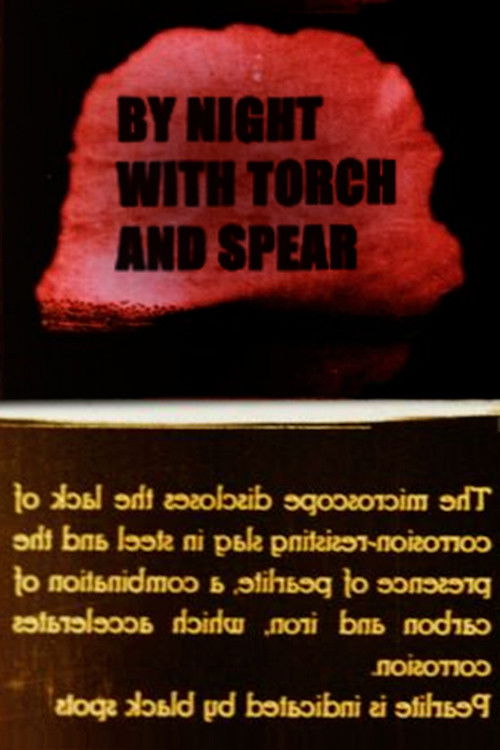
By Night with Torch and Spear
1942
No user ratings available yet
Representation score: 5.4 out of 10
No Poster Available
Representation Score
Minimal
1969
Director
Joseph Cornell
Runtime
8 minutes
Average Rating
No ratings yetNew Showbiz Analysis
Joseph Cornell’s *Cotillion* is a formalist experiment in assemblage rather than a narrative film. By utilizing found footage—including circus performers, science demonstrations, and children—the work functions as a non-linear meditation on memory and surrealism. Because the film is an abstract montage of disconnected vignettes and inanimate objects, it lacks the structural framework necessary for identity-based representation. It does not feature characters with significant influence, making it impossible to evaluate social hierarchies or overlapping aspects of identity. Ultimately, the film operates through aesthetic abstraction. While its postmodern structure disrupts conventional cinematic expectations, it remains neutral regarding contemporary metrics of social advocacy or representation.
Category Breakdown
The film lacks discernible characters or interpersonal dynamics. It includes no depictions of gender identity or sexual orientation.
The work does not feature gendered roles or social hierarchies. Human figures like jugglers appear as disconnected visual elements rather than characters with significant influence.
The collage relies on vintage found footage reflecting early 20th-century contexts. It lacks intentional, character-driven diversity or race-bent casting, serving a poetic function.
The film deconstructs Western cinematic traditions through fragmentation. However, it does not actively engage with anti-religious or systemic critiques, existing in a state of suspension.
There are no depictions of neurodivergence, physical disability, or mental health conditions. The focus remains on the aesthetic of the object and surrealist montage.
Present on Screen
Limited or Absent
Official Synopsis
"I have not changed the editing structure. I have made the films printable. They are the first known fully collaged films, i.e., films made from found footage, and were done sometime in the ‘40s. Cornell combines Vaudeville jugglers, animal acts, circus performers, children eating and dancing, science demonstrations, mythical excerpts, and crucial freeze-frames of faces into a timeless structure, totally unconcerned with our usual expectations of “montage” or cinematic progression. He collects images and preserves them in some kind of cinematic suspension that is hard – impossible – to describe. But it’s a delight to anyone whose soul has not been squashed by the heavy dictates of Art." —Larry Jordan
1942
1955
1958
1963

1972
1936
1967
1963
No reviews yet. Be the first to share your thoughts on this movie!
Use the rating form above to leave a star rating and optional review.