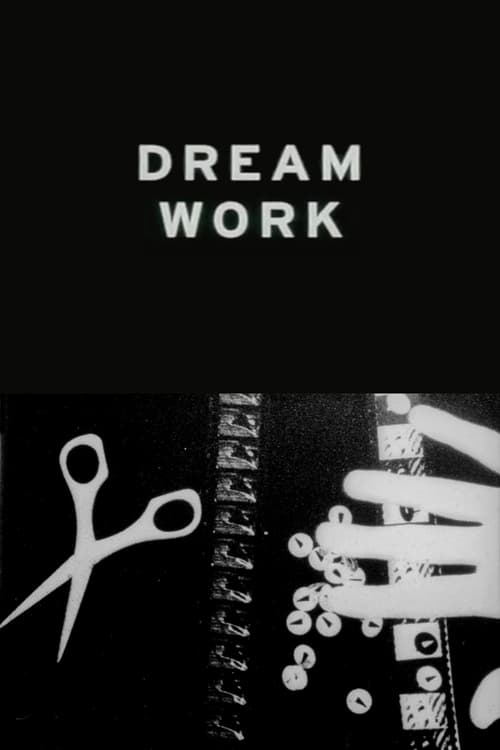
Dream Work
2001
No user ratings available yet
Representation score: 3.8 out of 10
Representation Score
Fair
1936
UnratedDirector
Joseph Cornell
Runtime
20 minutes
Average Rating
No ratings yetNew Showbiz Analysis
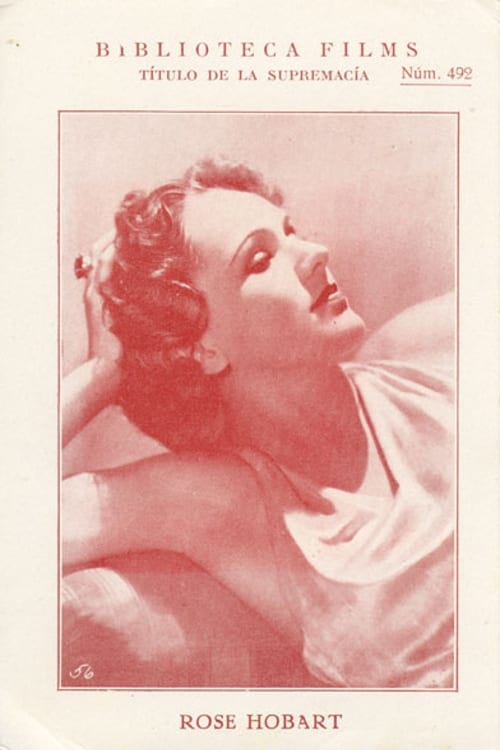
Joseph Cornell’s experimental collage effectively dismantles traditional cinematic structures. By repurposing footage from *East of Borneo*, the film shifts focus from a conventional male-female romance to a fragmented, psychological exploration of a singular female presence. While the film excels at challenging gendered narratives, it is limited by its source material. The use of 1930s jungle melodrama introduces colonialist stereotypes and problematic imagery of non-Western settings. Ultimately, the film serves as a formalist disruption of media rather than a direct exploration of multi-layered identity, trading traditional narrative cohesion for a disquieting, voyeuristic focus on its subject.
Category Breakdown
The film does not explicitly depict LGBTQ+ identities but challenges traditional heterosexual relationships by removing the typical romantic storyline.
Cornell redefines gender roles by transforming Rose Hobart from a passive character in a male-dominated melodrama into a central figure with deep psychological complexity.
The film uses old footage that includes colonial stereotypes and problematic representations of non-Western locations. The visuals remain tied to outdated and potentially offensive imagery.
The work questions traditional storytelling by focusing on a fragmented, psychological narrative rather than a cohesive, moralistic tale. It emphasizes a sense of dread and personal unease.
The film does not feature any characters with physical or neurodivergent disabilities.
Present on Screen
Limited or Absent
Official Synopsis
Cornell employs clips from 1931's jungle melodrama East of Borneo – more specifically, clips of its lead actress, Rose Hobart – to disquieting effect. Through Cornell's collage editing, Hobart becomes a singular object of desire and dread, trapped in an exotic paradise.
2001
1943

1974

2005
1974
1934
2015

1969
No reviews yet. Be the first to share your thoughts on this movie!
Use the rating form above to leave a star rating and optional review.