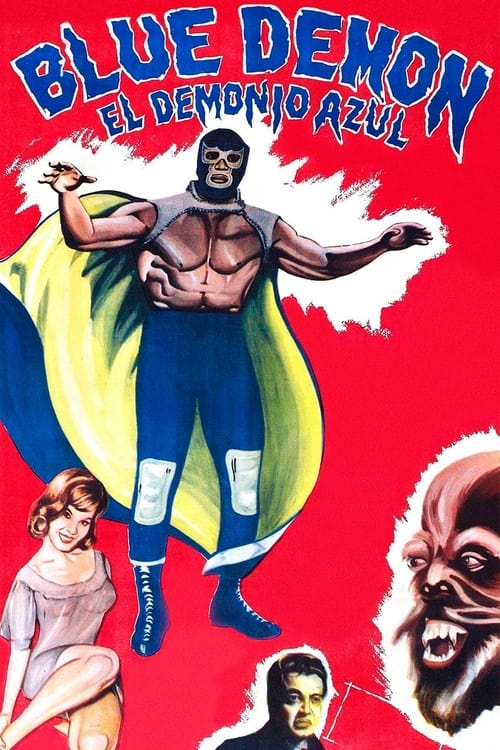
Blue Demon
1965
No user ratings available yet
Representation score: 3.0 out of 10
Representation Score
Limited
1968
Director
Chano Urueta
Runtime
87 minutes
Average Rating
No ratings yetNew Showbiz Analysis
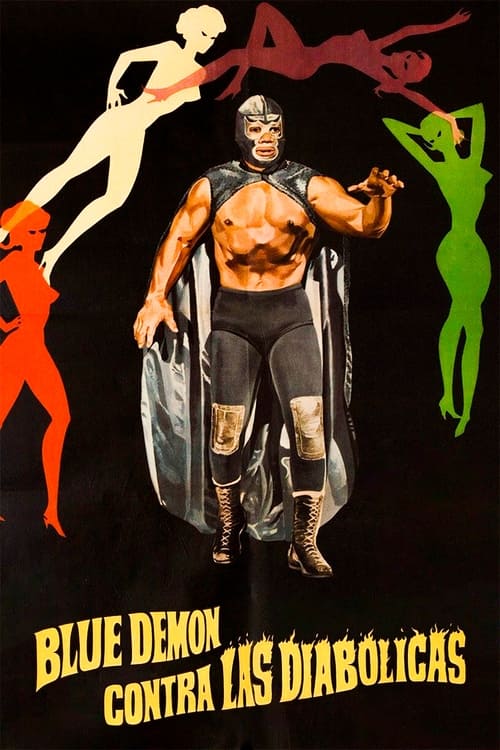
Blue Demon vs. the Diabolical Women provides a culturally authentic view of the Mexican lucha libre tradition. It offers a non-Western perspective on the hero's journey, featuring local protagonists and a Mexican creative team. One of the film's most notable aspects is its challenge to traditional gender roles. By giving supernatural power to female antagonists, it breaks away from passive female stereotypes common in the era. However, the film remains conservative in its storytelling approach. It defends social institutions and traditional morality rather than questioning them, resulting in limited diversity.
Category Breakdown
The film does not show any non-binary gender identities or relationships. The story follows typical 1960s action movie structures without any LGBTQ+ themes.
The film challenges the idea that women are always passive by giving supernatural power to female characters who are portrayed as villains. This contrasts with the traditional good versus evil storyline.
The film features a predominantly Mexican cast and setting, giving significant roles to characters of color. It avoids Anglo-centric norms by focusing on a local cultural figure.
The film upholds traditional Western ideas of justice and social order. The main character acts as a moral guardian, restoring order against chaotic elements.
There is no significant evidence regarding the portrayal of physical or neurodivergent disabilities within the film's narrative or character descriptions.
Present on Screen
Limited or Absent
Official Synopsis
Wrestler vs. organized crime.
1965
1968
1973

1965
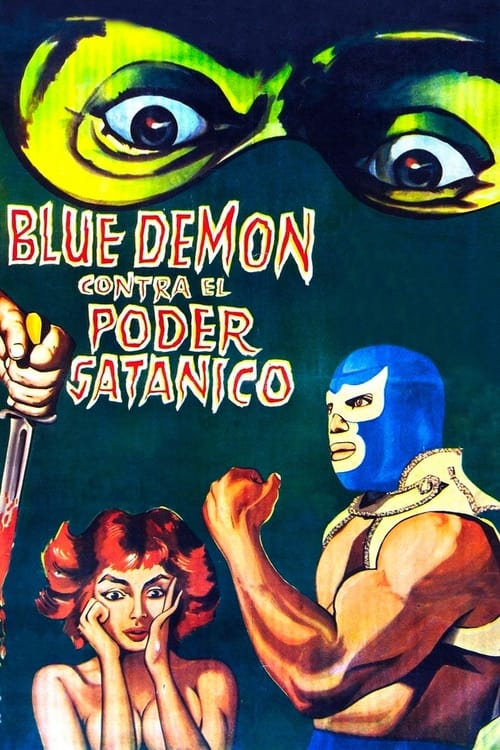
1966
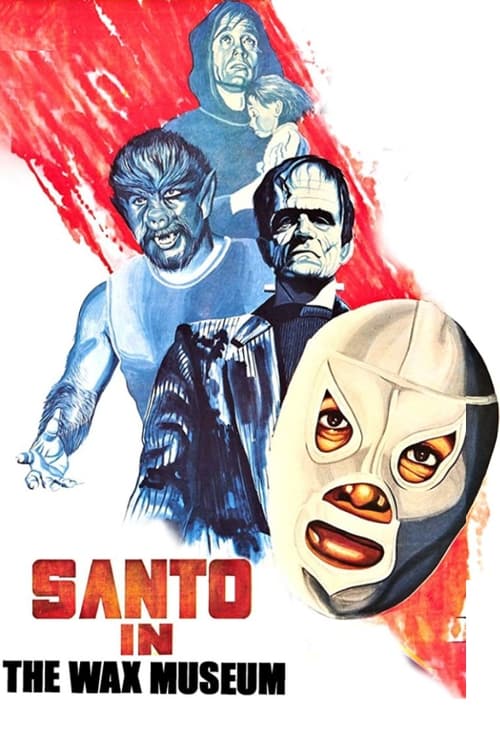
1963
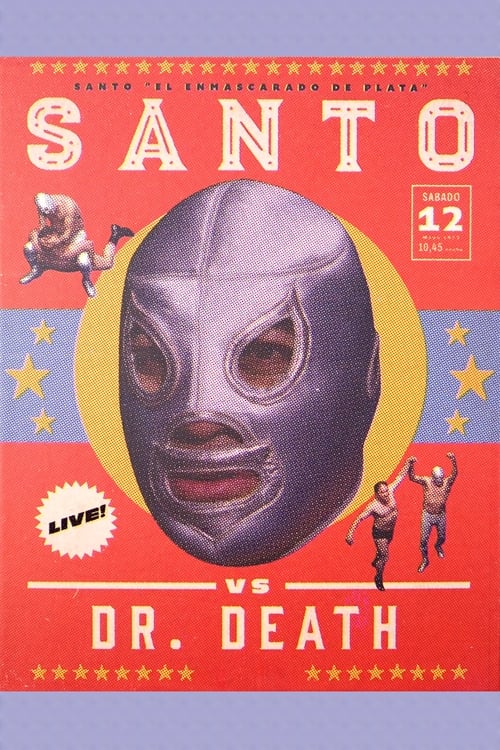
1973
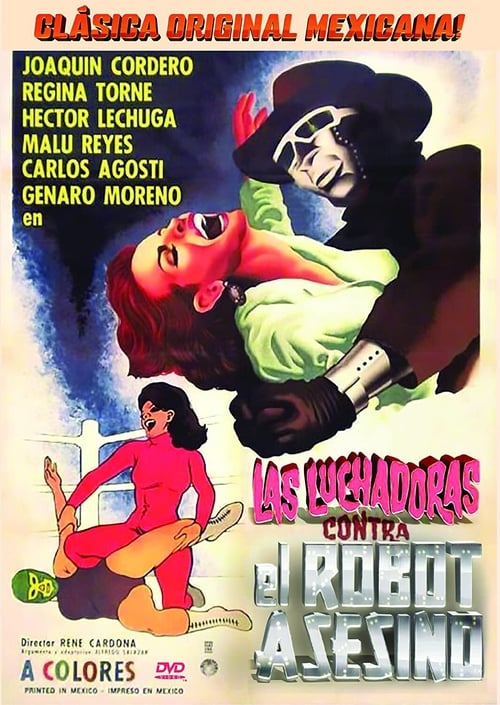
1969
No reviews yet. Be the first to share your thoughts on this movie!
Use the rating form above to leave a star rating and optional review.