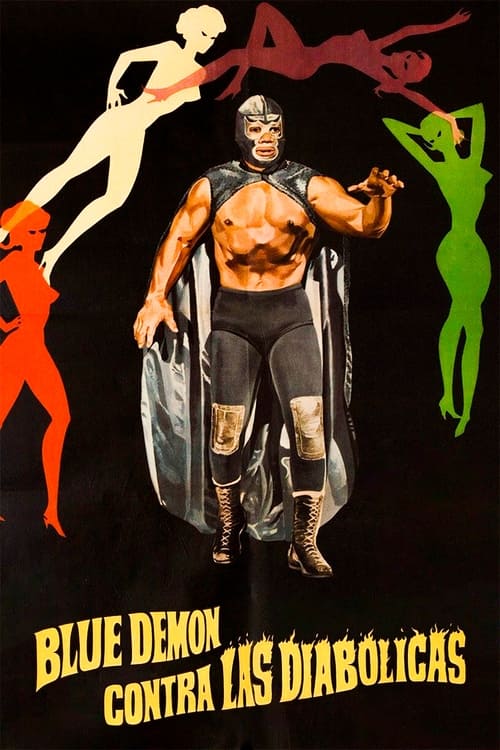
Blue Demon vs. the Diabolical Women
1968
No user ratings available yet
Representation score: 2.7 out of 10
Representation Score
Limited
1968
TV-14Director
Chano Urueta
Runtime
85 minutes
Average Rating
No ratings yetNew Showbiz Analysis
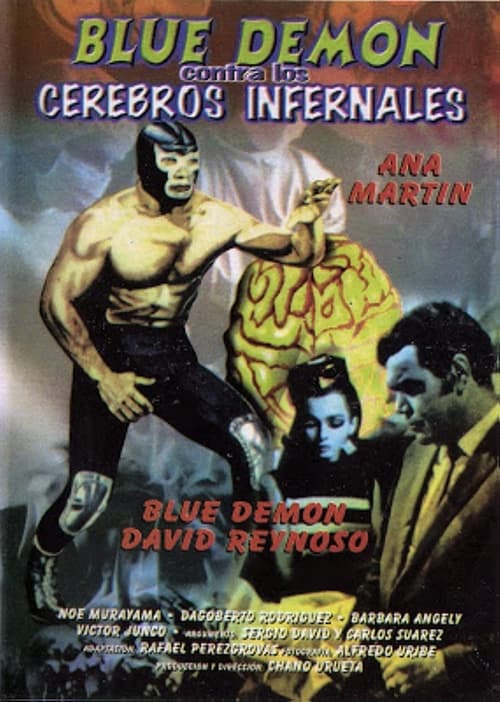
Blue Demon contra Cerebros Infernales is a culturally significant Mexican film that successfully resists Hollywood's demographic norms. By centering a local hero and the Lucha Libre tradition, it asserts a strong regional identity and ethnic representation. However, the film remains limited by the social frameworks of its era. Women mainly serve as supporting figures or victims, and cognitive impairment is used as a horror cliché rather than a nuanced portrayal of disability. Ultimately, while the film provides a distinctively Mexican cinematic identity, it adheres to conventional moral binaries and lacks progressive representation in gender and identity.
Category Breakdown
The film does not include any LGBTQ+ characters or explore non-straight identities. It sticks to the traditional social structures of 1960s genre cinema.
Female characters, including zombies, mainly support the antagonist. They do not have enough control to challenge established male leadership roles.
The film stands out by focusing on a Mexican cultural icon and featuring a mostly Mexican cast. It emphasizes local folklore and the Lucha Libre tradition over Anglo-centric narratives.
The story follows a classic hero-versus-villain structure emphasizing moral heroism. It offers a localized perspective on science and justice outside the Western cinematic tradition.
Zombification and mind control are used as plot devices. These depictions treat altered mental states as sources of spectacle or threat rather than nuanced experiences.
Present on Screen
Limited or Absent
Official Synopsis
A wrestling hero helps the police in their battle against a mad doctor and his army of female zombies.
1968
1966
1963

1965
1962

1970
1974

1962
No reviews yet. Be the first to share your thoughts on this movie!
Use the rating form above to leave a star rating and optional review.