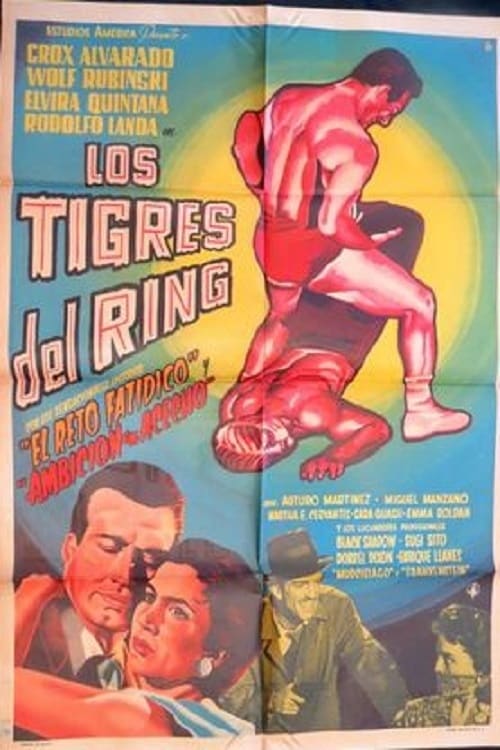
Los tigres del ring
1960
No user ratings available yet
Diversity score: 2.8 out of 10
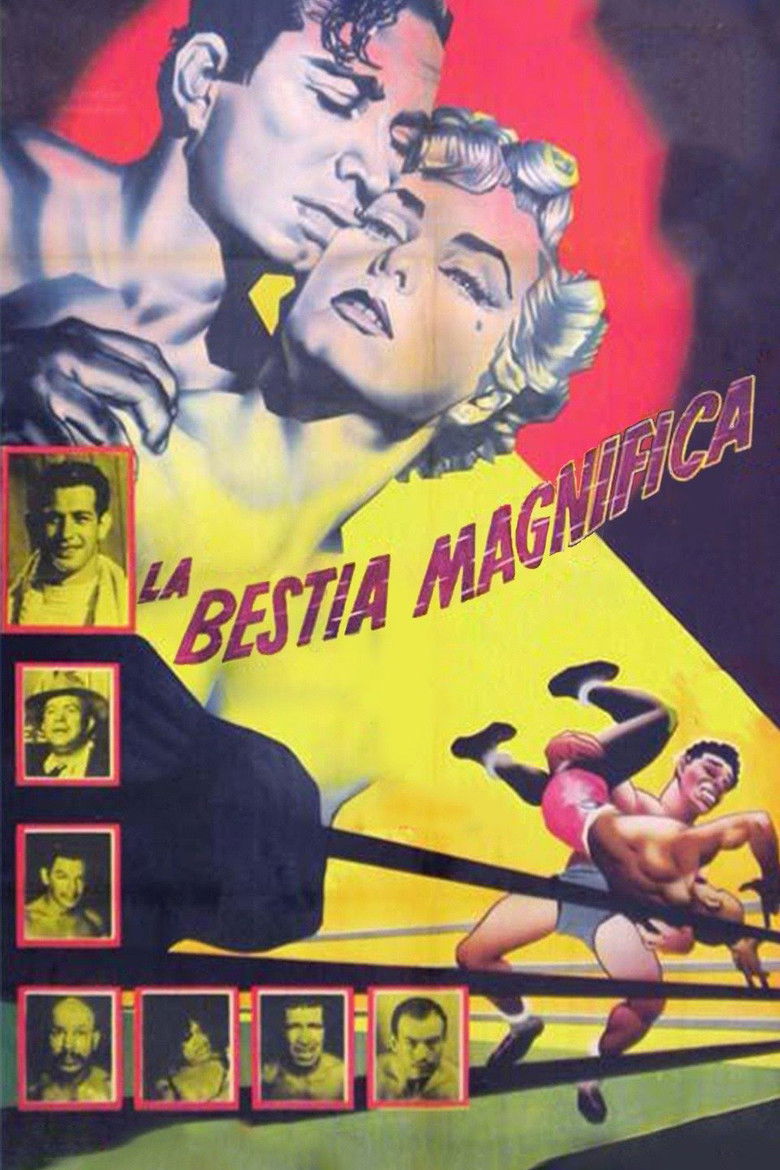
1953
Director
Chano Urueta
Runtime
128 minutes
Average Rating
No ratings yetSynopsis
Two very good friends become wrestlers to leave poverty behind, but the arrival of an ambitious woman will tragically change their destinies.
Overall Score
Fair
Category Breakdown
LGBTQ+ Representation
The film adheres to mid-century genre conventions that emphasize hyper-masculine archetypes. There is no evidence of queer narratives or non-cisnormative identities present in this production.
Gender Representation
Narrative structures focus heavily on male physical prowess and masculine competition. Men serve as the primary agents of conflict, reinforcing traditional gender hierarchies common in 1950s action cinema.
Racial & Ethnic Diversity
As a Mexican production, the film centers local identity and provides a non-Western perspective on heroism. It successfully disrupts the Anglo-Saxon hegemony prevalent in global cinema of the era.
Religious & Cultural Diversity
The work operates within mid-century Mexican social values and traditional moral binaries. It reinforces conventional notions of honor and physical discipline rather than subverting cultural frameworks.
Disability Representation
There is no verifiable evidence regarding the portrayal of physical or neurodivergent disabilities within this work.
Strengths
Areas for Improvement
AI Analysis
The Magnificent Beast stands as a foundational text for the Mexican Lucha libre genre. It offers significant value by centering Mexican identity and local culture, providing a necessary alternative to the Hollywood-centric narratives of the 1950s. However, the film remains constrained by the era's traditionalist values. The focus on hyper-masculinity and rigid moral binaries limits the representation of diverse identities and social hierarchies. While culturally significant for its regional perspective, the film lacks documented agency for marginalized groups, operating primarily within established masculine and heteronormative structures.
1960
1974
1966
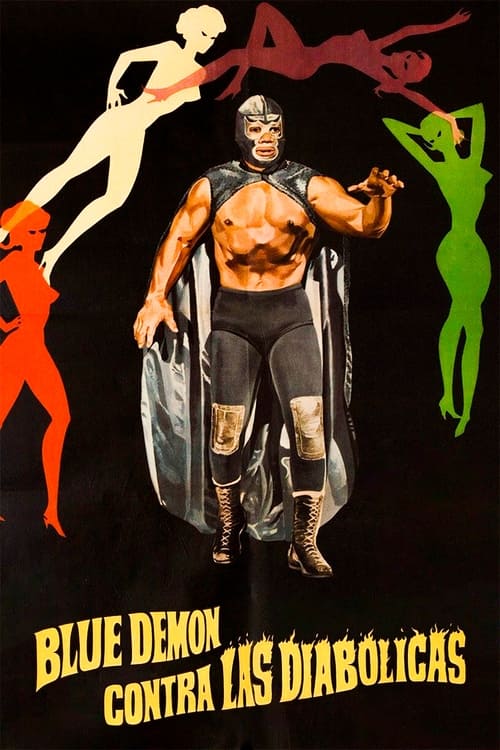
1968
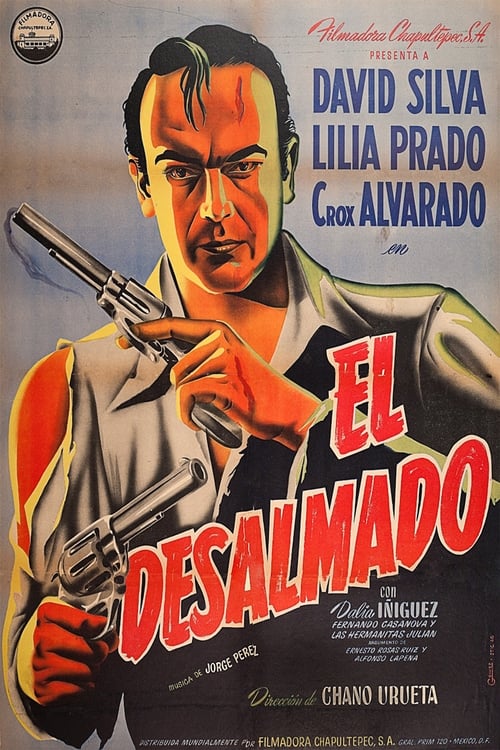
1950
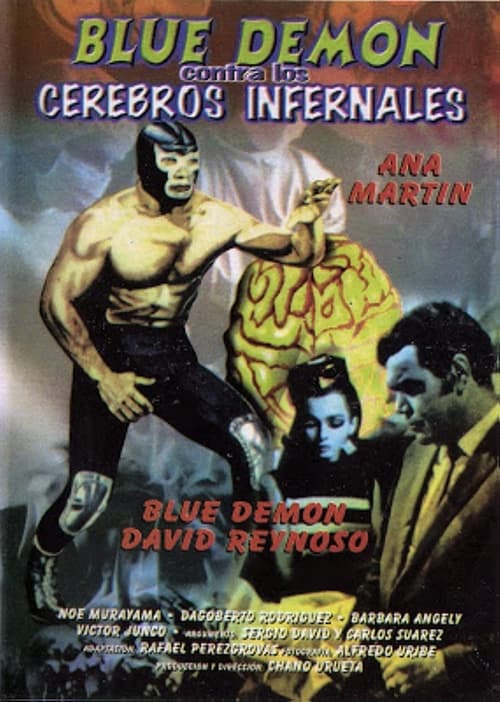
1968
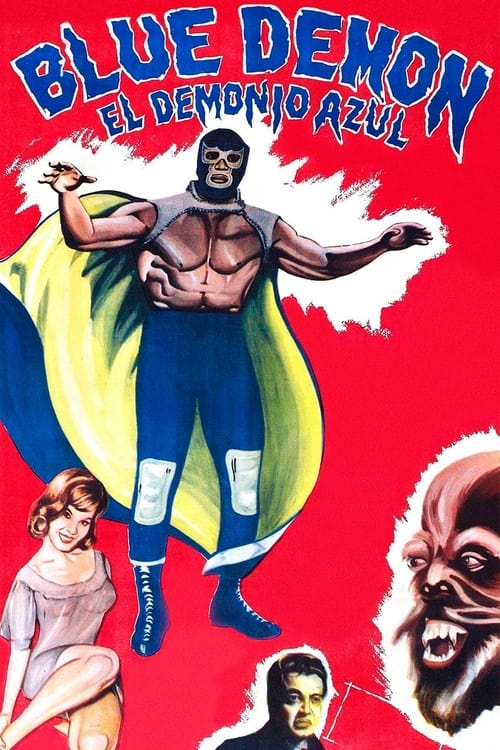
1965
No reviews yet. Be the first to share your thoughts on this movie!
Use the rating form above to leave a star rating and optional review.