The Return
2011
No user ratings available yet
Representation score: 4.6 out of 10
Representation Score
Excellent
2015
Not RatedDirector
César Augusto Acevedo
Runtime
97 minutes
Average Rating
No ratings yetNew Showbiz Analysis
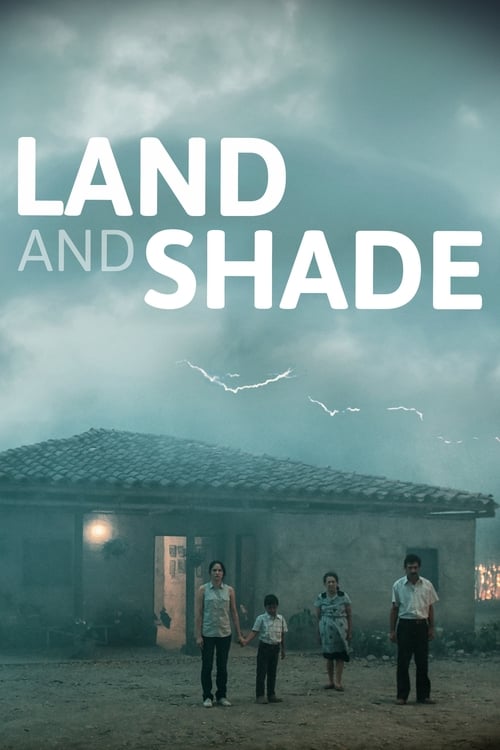
Land and Shade is a sophisticated study of systemic decay that avoids traditionalist storytelling clichés. It succeeds by deconstructing the myth of the prosperous rural landscape and the stable patriarchal family. The film excels in its cultural critique, using the ash-choked environment to challenge capitalist industrial expansion. It provides a nuanced, non-Western perspective on the human condition through a localized Colombian lens. While it lacks explicit LGBTQ+ representation, its refusal to lean into romanticized archetypes provides a more grounded, realistic portrayal of human isolation and vulnerability.
Category Breakdown
The film focuses on a fractured family structure rather than explicit LGBTQ+ identities. It avoids reinforcing standard celebratory romantic clichés by emphasizing isolation.
The narrative challenges traditional gender roles by showing Alfonso's inability to exert traditional masculine control. Instead, it highlights the endurance and domestic labor of the women stabilizing the household.
Set in Colombia, the film offers a non-Anglo-centric perspective. It uses the sugar cane plantations to highlight the systemic impact of industry on local populations.
The film critiques traditional institutions by replacing familial sanctity with displacement and moral ambiguity. It favors a heavy, secular existentialism over traditional religious comfort.
Grave illness drives the narrative without using it as a melodramatic plot device. Physical frailty is presented as an inescapable part of the human and environmental condition.
Present on Screen
Limited or Absent
Official Synopsis
Alfonso is an old farmer who has returned home to tend to his son, who is gravely ill. He rediscovers his old house, where the woman who was once his wife still lives, with his daughter-in-law and grandson. The landscape that awaits him resembles a wasteland. Vast sugar cane plantations surround the house, producing perpetual clouds of ash. 17 years after abandoning them, Alfonso tries to fit back in and save his family.
2011
1963

2015
2019
2018
2012
2015

2018
No reviews yet. Be the first to share your thoughts on this movie!
Use the rating form above to leave a star rating and optional review.